

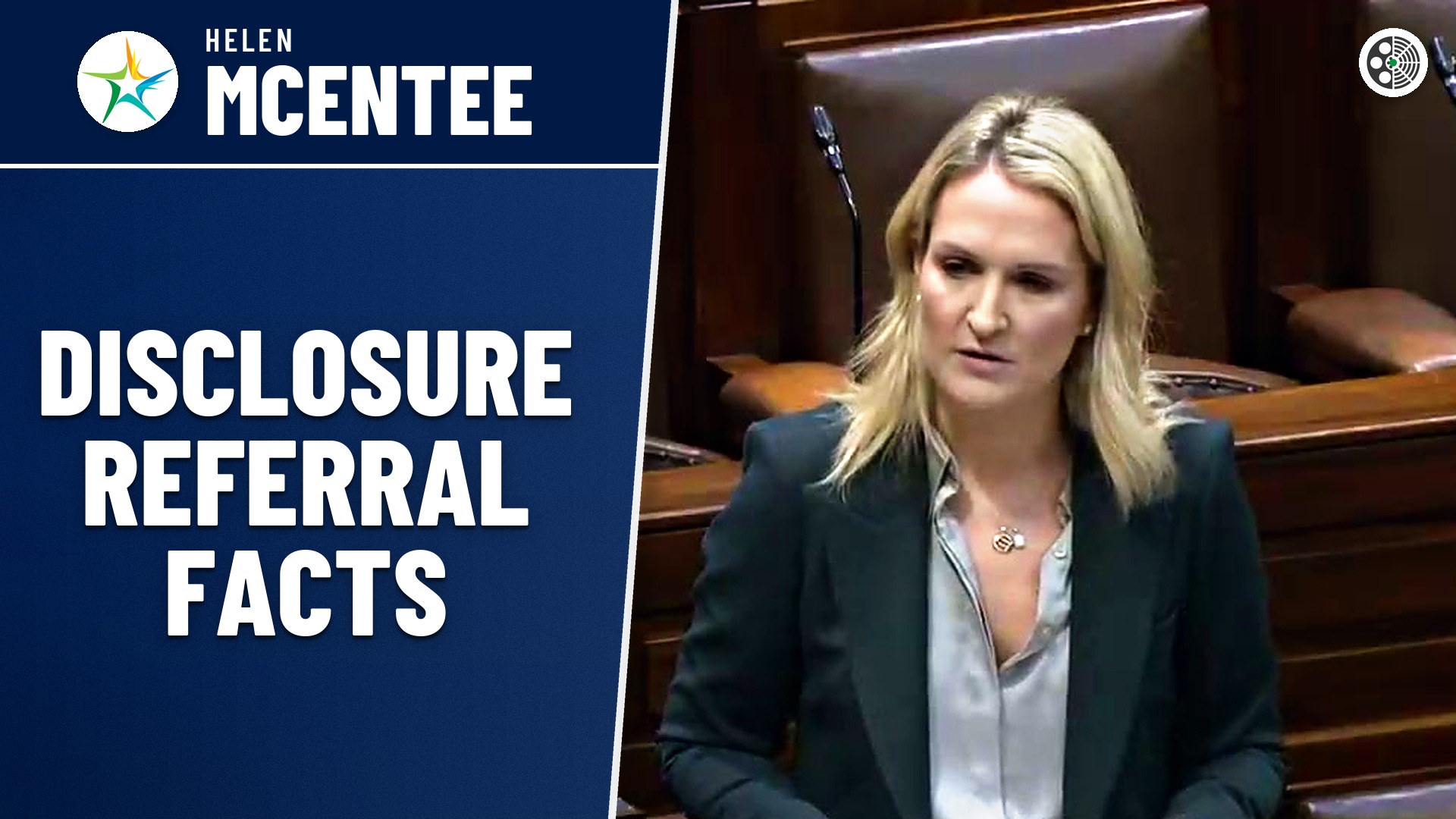


Helen McEntee sets out handling of Garda protected disclosure
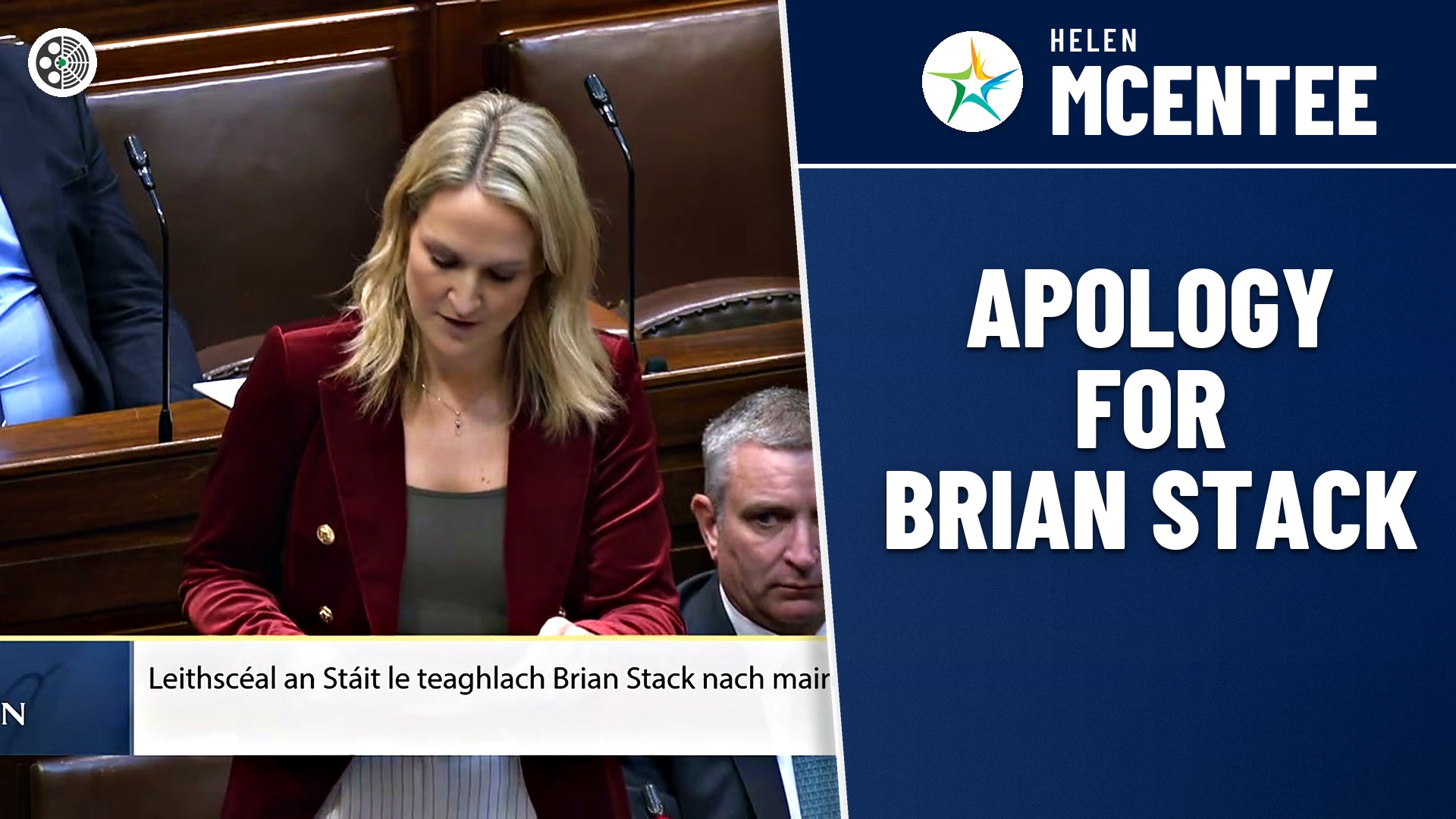
Justice Minister Helen McEntee set out her handling of Detective Superintendent Brian O'Reilly’s protected disclosure during an Oireachtas debate on Detective Garda Colm Horkan. She said the disclosure was referred first to the Office of the Protected Disclosures Commissioner and later to the Garda Síochána protected disclosures office, and denied sending it to the Garda Commissioner.
McEntee recalled visiting Colm Horkan’s family and colleagues after his murder in 2020 and offered her condolences. She said she was committed to a confidential and fair protected disclosure system, and outlined measures she had introduced to strengthen Garda accountability and oversight, including establishing Fiosrú and a Garda board.
She said the Department of Justice referred Detective Superintendent Brian O’Reilly’s disclosure to the Office of the Protected Disclosures Commissioner on 20 September 2023. After that office returned it to the Department, the Secretary-General presented three options. McEntee said she agreed to the recommendation to refer it to the Head of the Office of Protected Disclosures within An Garda Síochána, and that the Department made the referral on 21 December 2023.
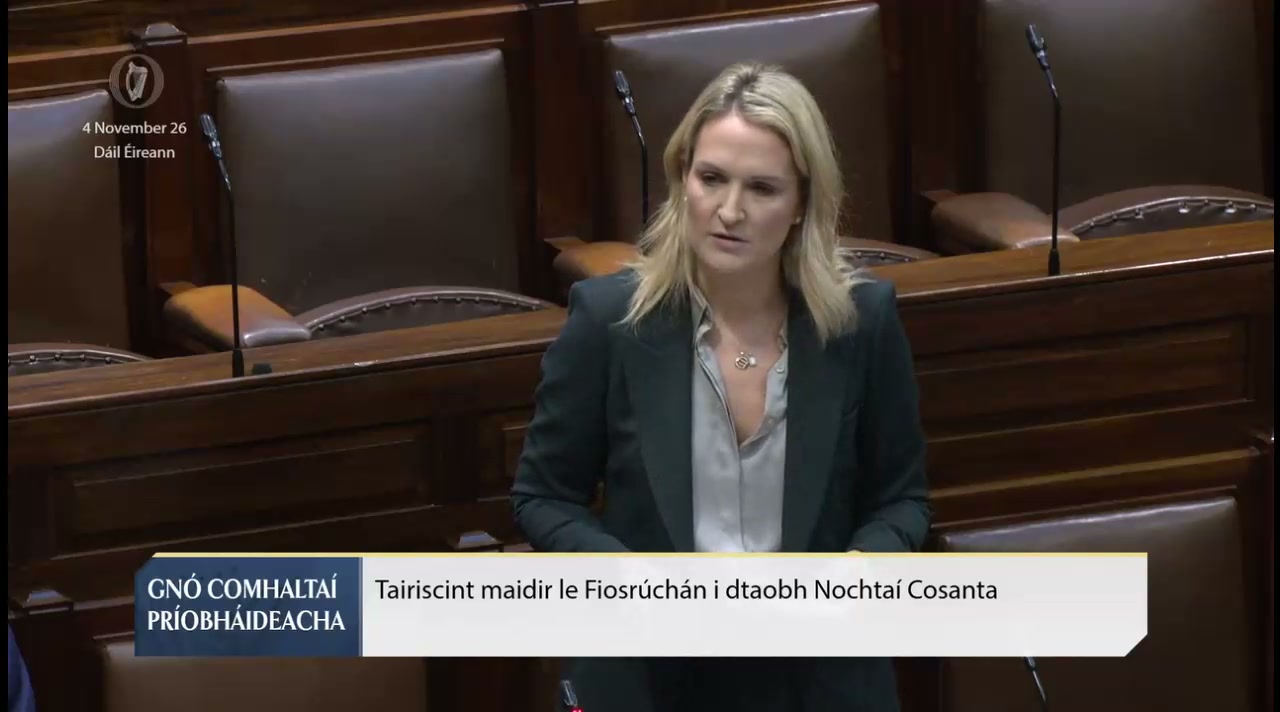
McEntee recalled visiting Colm Horkan’s family and colleagues after his murder in 2020 and offered her condolences. She said she was committed to a confidential and fair protected disclosure system, and outlined measures she had introduced to strengthen Garda accountability and oversight, including establishing Fiosrú and a Garda board.
She said the Department of Justice referred Detective Superintendent Brian O’Reilly’s disclosure to the Office of the Protected Disclosures Commissioner on 20 September 2023. After that office returned it to the Department, the Secretary-General presented three options. McEntee said she agreed to the recommendation to refer it to the Head of the Office of Protected Disclosures within An Garda Síochána, and that the Department made the referral on 21 December 2023.
We publish thousands of recordings to make Irish politics transparent and resistant to manipulation. Spotted an error? Report it — together we are building a reliable archive of Irish politics.
Other speeches

Tego samego dnia All speeches from this day →
Seán Kyne
Seán Kyne backs balanced rural short-term letting rules

Rose Conway-Walsh
Rose Conway-Walsh: Young workers' voices must count equally
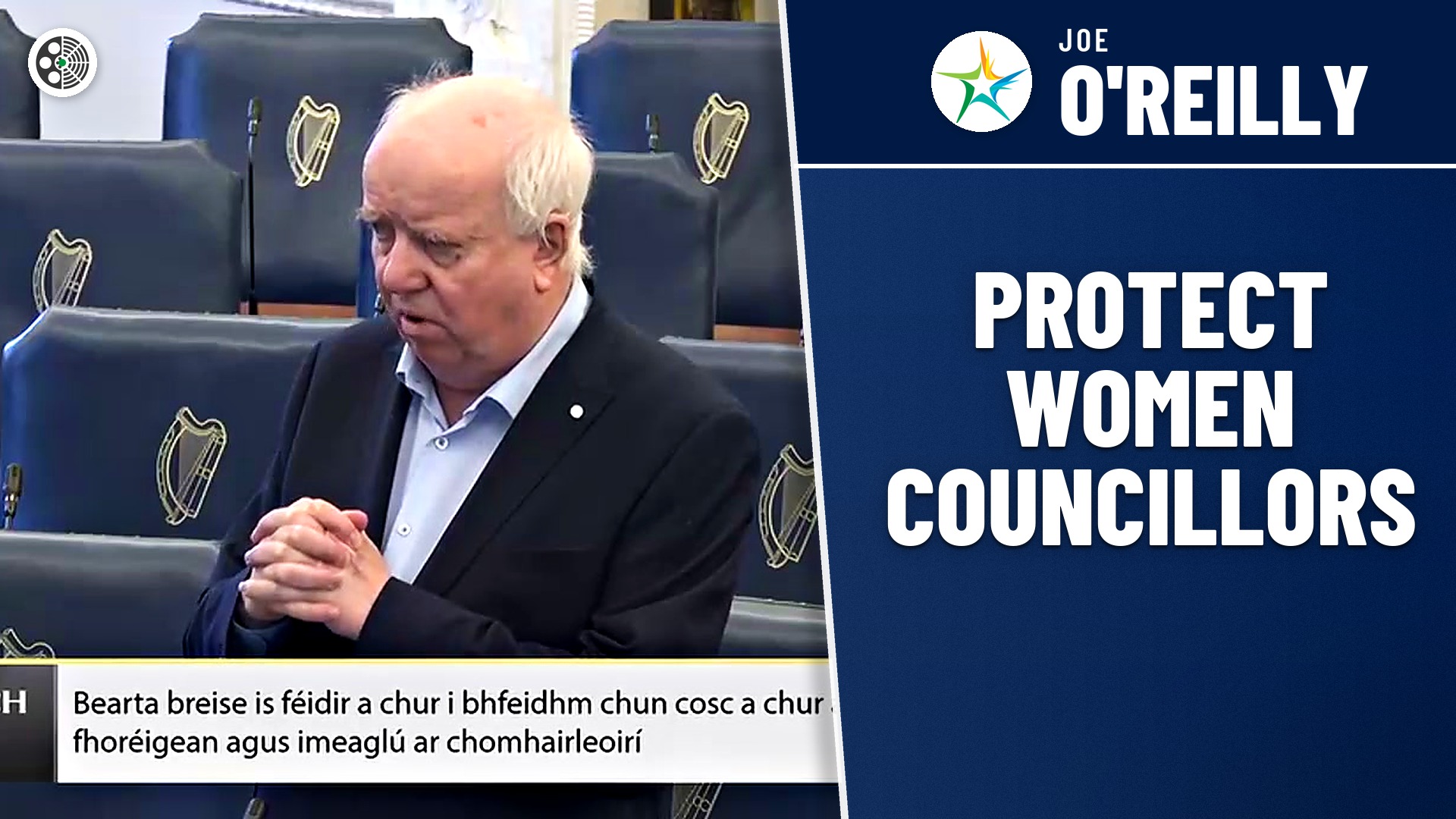
Joe O'Reilly
Joe O'Reilly: Protect women councillors from online abuse
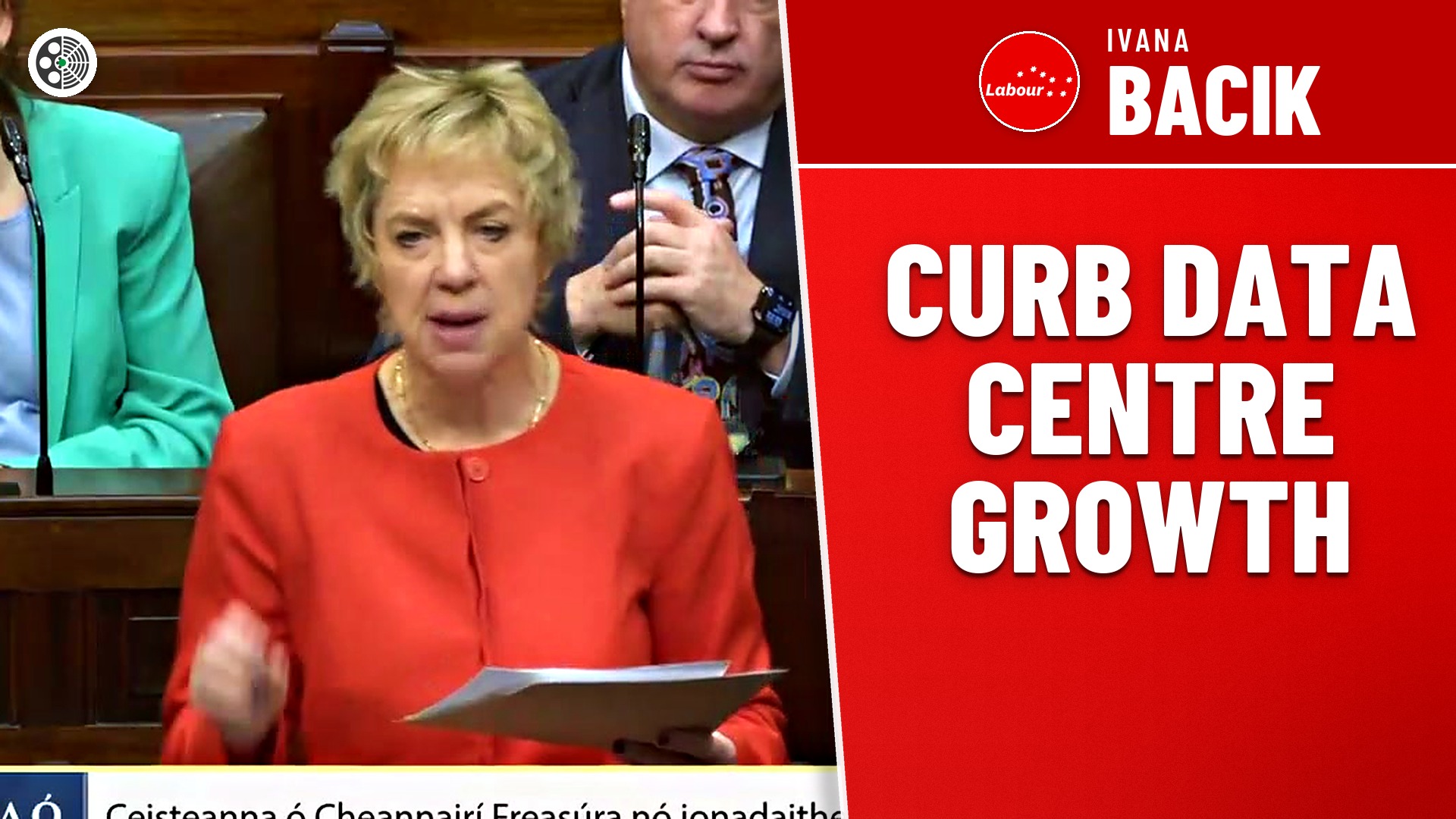
Ivana Bacik
Ivana Bacik Challenges Taoiseach on Data Centre Growth
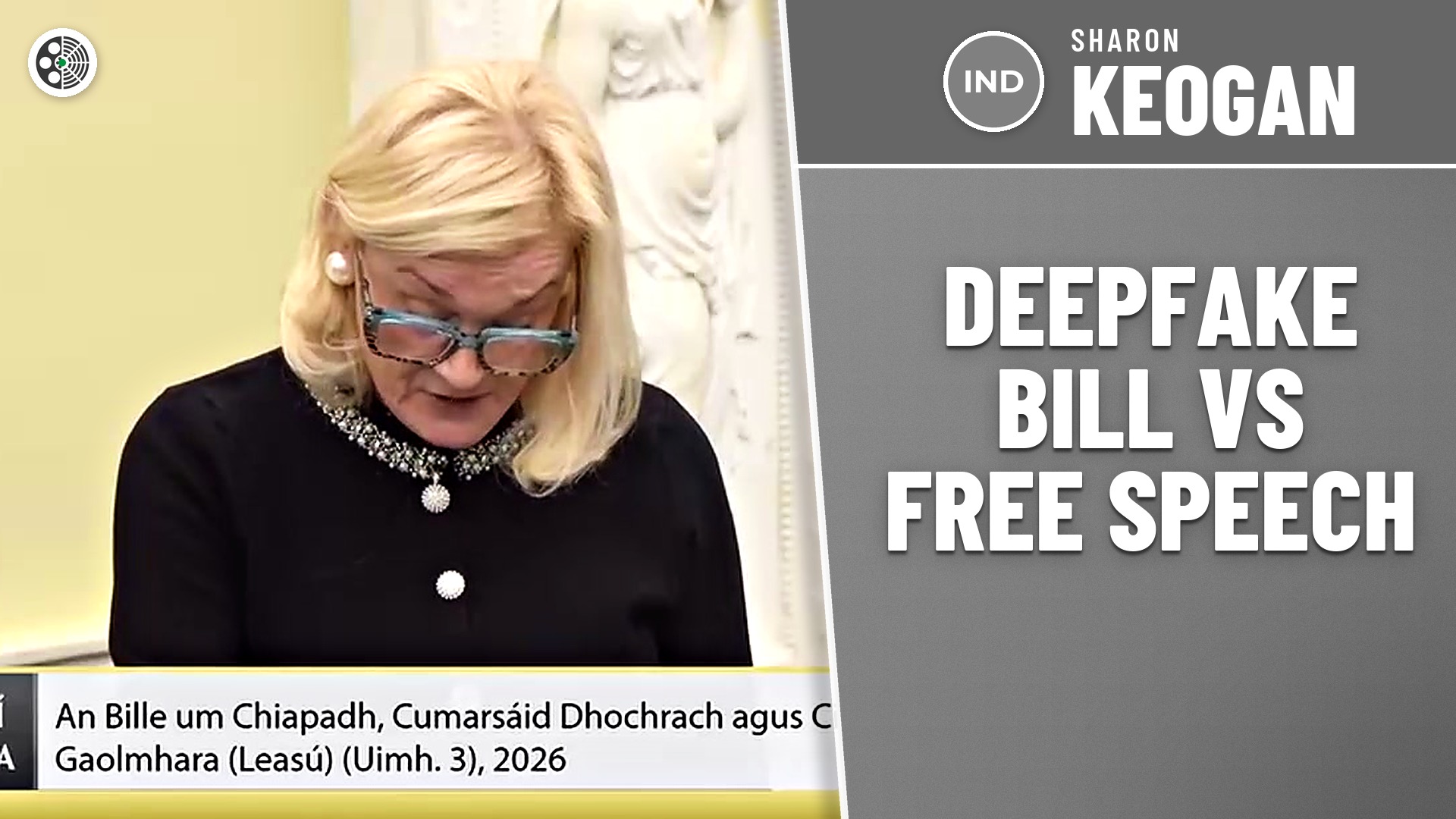
Sharon Keogan
Sharon Keogan warns deepfake bill risks chilling free speech
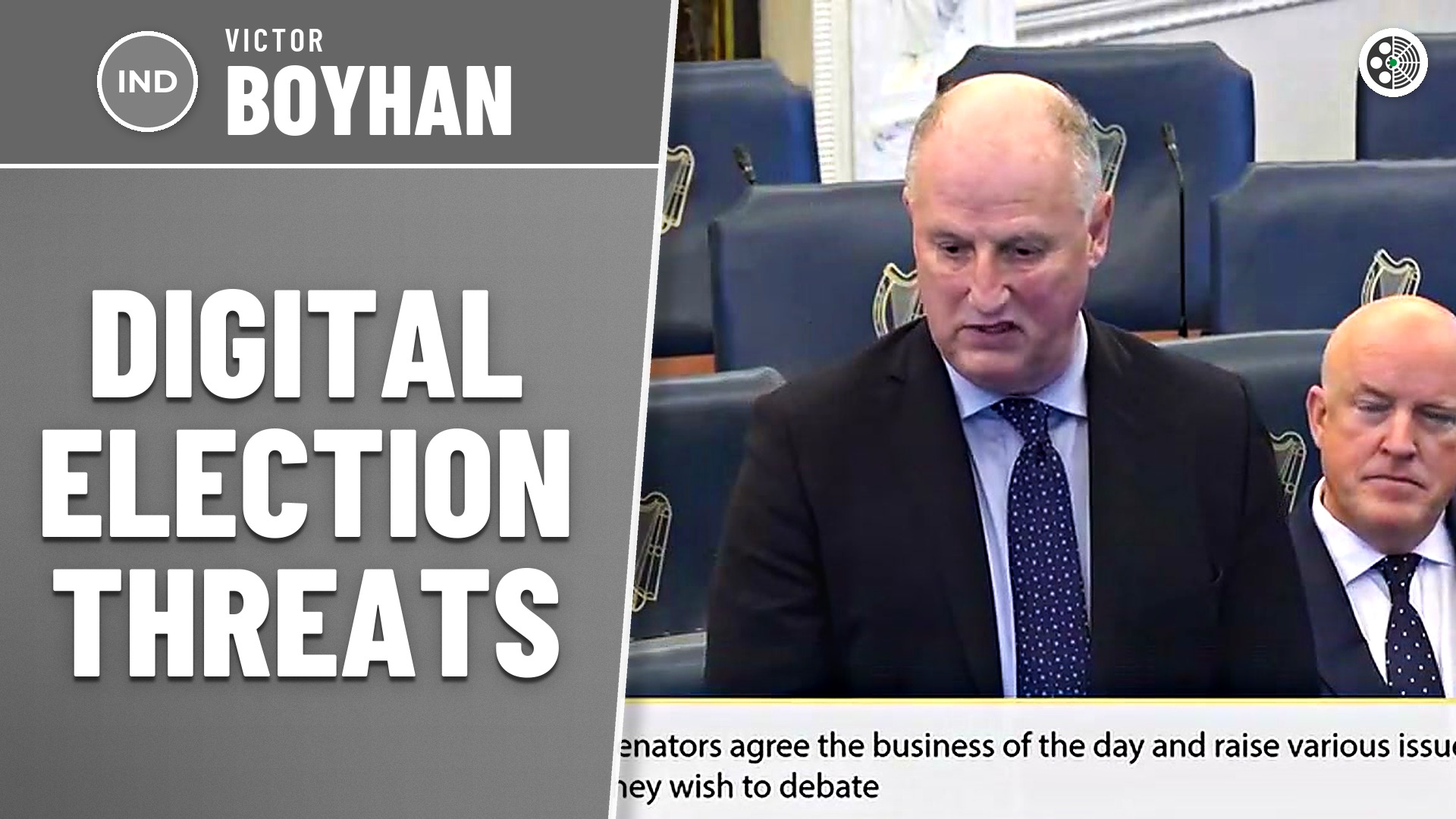
Victor Boyhan
Victor Boyhan calls for debate on digital election threats
Transcript
I want to begin by echoing what I think every person in this house has said today, and that
is Colm Horkan was an exemplar of public service and that his contribution to serving and protecting
this state will never be forgotten. The family of Detective Garda Colm Horkan suffered a
devastating loss when he was murdered while on duty in Castlereagh in 2020. Indeed my
first act as Minister for Justice in 2020 was to visit his colleagues and his family
following his murder and to pay my respects and tribute to him and I again today offer
my sincerest condolences to them. I also want to say that I am, as everyone in this house
is, completely committed to a trusted and effective protected disclosure system. Any
person who wishes to raise or make a protected disclosure should be confident that they can
raise issues within their workplace or organisation and that this can be done confidentially and
that they will be treated fairly. I have always in my capacity as an elected representative
and as Minister for Justice complied with the protected disclosure legislation, but
also as Minister for Justice I introduced new measures to strengthen Garda accountability
and oversight. I enacted legislation to establish a new and strengthened independent oversight
body from Garda Síochána, known as Físirú. I enhanced independent oversight of Garda
management by establishing a new Garda board and I tasked the Garda Audit Committee with
examining the appropriateness, effectiveness and efficiency of Garda protected disclosure
procedures. These changes give the Garda board and the Audit Committee important oversight
roles in relation to the operation of the protected disclosure system in Garda Síochána.
Deputies will be aware that the Protected Disclosure Act precludes Ministers from discussing
or acknowledging protected disclosures. This is to ensure the integrity of any investigation
of a protected disclosure as upheld, to ensure the anonymity and the safety of those who
make protected disclosures and subject to them, and to ensure that others are confident
that they can come forward into the future. However, in recent months, and in particular
following the airing of the RTE programme, several claims have been made about me, including
in this motion. So I have sought legal advice and based on that legal advice today I will
outline the actions that I took in relation to one specific protected disclosure. I want
to be clear of the four individuals featured in the RTE programme. One case is before the
Court, so I will not comment on that case. Two of the other people featured did not make
protected disclosures to me or indeed to the Department, so I will not refer to them. In
relation to the fourth person featured, Detective Superintendent Brian O'Reilly, a number of
inaccurate and unsubstantiated allegations have been made about my handling of his protected
disclosure in the entry motion today by the opposition and indeed by some members of the
media. For that reason and on the basis that Detective Superintendent O'Reilly has asked
that I speak about it, while I will not discuss the contents of the protected disclosure made
by Detective Superintendent O'Reilly, I am going to lay out precisely the steps that
I took in handling it. On 20 September 2023, I received a protected disclosure from solicitors
acting on behalf of Detective Superintendent O'Reilly. On the same date, his solicitor
sent a more detailed account of the same matters directly to the Garda Commissioner and
copied that correspondence to the Department of Justice and to me as Minister. In the letter
directly to me, Detective Superintendent O'Reilly's solicitor stated,
Our client wishes to be informed of whether or not the Commissioner of Angarda Siocana
has referred to your office the protected disclosures containing finer details as made
by our client. In the letter sent by Detective Superintendent O'Reilly's solicitor to the
Garda Commissioner, it was stated that it is clear that our client has made protected
disclosures relating to a number of matters. At no stage did I or my department acknowledge
the existence of or send the protected disclosure or any material relating to the protected
disclosure to the Garda Commissioner, and at no point have I engaged with the Garda
Commissioner. The only instance where Detective Superintendent O'Reilly's identity was exposed
to the Garda Commissioner was in letters from solicitors acting on behalf of Mr. O'Reilly.
In accordance with the Protected Disclosure Act 2014, as amended, the Department of Justice
referred the disclosure on 20 September 2023, the same day it was received, to the Office
of the Protected Disclosure Commissioner for consideration, and this was the appropriate
approach. It is important to note again that in a subsequent letter to the Garda Commissioner,
which my department was copied on, the solicitor representing Detective Superintendent O'Reilly
stated, we note the referral by the Minister for Justice of our client's protected disclosure
to the Office of the Protected Disclosure Commissioner. On 3 October 2023, the Office
of the Protected Disclosure Commissioner referred the disclosure back to the Department of Justice.
In doing so, the Commissioner considered whether there was a prescribed person within the meaning
of the Protected Disclosure Act and the Protected Disclosure Act 2014, disclosure to prescribed
persons order 2020, to whom the disclosure could appropriately be sent. Having concluded
that no such prescribed person could be identified, the OPDC also considered whether the Garda
Síochána Ombudsman Commission was an appropriate recipient for the protected disclosure. It
is important to highlight that the request from Detective Superintendent O'Reilly was
that this was treated as a protected disclosure, not as a complaint. The OPDC noted that GSOC
could not investigate the Garda Commissioner under section 102B of the Garda Síochána Act 2005
without authorisation from the Minister for Justice and the approval of Government.
The OPDC therefore determined that the Secretary-General of the Department of Justice
was the appropriate recipient as an other suitable person for the purpose of the
Protected Disclosure Act. Under section 10E of the Act, the recipient of a disclosure is required
to conduct an initial assessment and determine the most appropriate course of action.
It should be noted at this point that in a letter to me dated 13 October 2023,
solicitors acting for Detective Superintendent O'Reilly wrote to the Department objecting to
any investigation being conducted by the Secretary-General. Detective Superintendent
O'Reilly's solicitor said that the Secretary-General is not the appropriate and proper
person to investigate wrongdoing alleged by our client. In a letter later to me,
his solicitor requested that Detective Superintendent O'Reilly's protected
be referred by the Policing Authority or GSOC. It should be noted that while GSOC is a prescribed
body under the PD Act, the Policing Authority is not. Following consideration of the disclosure,
the Secretary-General submitted an e-submission to me on 19 December, setting out three options.
The first was a referral to GSOC. However, the advice provided to me by the Department was that
there was no legal basis on which to seek Government approval for a GSOC investigation
of the Garda Commissioner, as the disclosure did not identify specific acts or omissions
by the Commissioner that could be investigated under section 102b. It is important to say at
this point that a previous similar protected disclosure had been sent to GSOC, having not
met the requirements under section 102b, and it was not accepted by GSOC. I was advised that sending
this protected disclosure to GSOC would have resulted in a similar outcome and delayed the
process. The second option was that the Department itself would investigate the matter raised.
The assessment was that this would amount to the Minister and the Department investigating
An Garda Síochána, an approach for which there was no precedent and which risked encroaching
upon the operational independence of the Garda Commissioner. Again, Detective Superintendent
O'Reilly's solicitors had objected to the Secretary-General investigating this issue.
The third option was a referral to the Office of Protected Disclosure within An Garda Síochána.
This option was recommended on the basis that there was an established process,
a recent precedent for dealing with disclosures through that Office and, having considered that
advice, I agreed with that recommendation. Accordingly, on 21 December 2023, the Department
referred the protected disclosure, clearly marked as such, to the Head of the Office
of Protected Disclosures within An Garda Síochána. Again, at no stage did I send
this protected disclosure to the Garda Commissioner, as the aim-to motion falsely claims.
I worked on the basis, as any of us here would, that the Head of the Office of
Protected Disclosures would treat this referral in accordance with the legislation.
On 10 April 2024, the matter was referred back to the Department of Justice by An Garda Síochána,
who stated that upon receipt of separate advice, several of the issues contained within the PD
were assessed to fall outside its remit. Following further engagement with the Office
of PD Commissioner, the Department was advised that two options remained available. First,
that the Detective Superintendent O'Reilly, with his consent, that matters would be referred to
the Garda Síochána as a complaint, rather than as a protected disclosure. Second,
that the Detective Superintendent O'Reilly could be advised to make a protected disclosure
directly to the Garda Síochána. A recommendation to write to the Detective Superintendent O'Reilly
outlining these options was approved by me on 15 January. The Department was subsequently
informed that the solicitor was no longer acting on Mr O'Reilly's behalf, but that the solicitor
would pass the correspondence on to him. As Minister O'Callaghan set out in his speech,
he subsequently referred the issues raised by Detective Superintendent O'Reilly to GSOC
as a complaint. So, to be very clear, the disclosure was referred to the Head of the
Protected Disclosure Office within An Garda Síochána, having received the recommendation.
At no point was it sent by me or the Department of Justice to the Garda Commissioner. I have set
out the facts in relation to the steps that I took in response to the protected disclosure
made by Detective Superintendent O'Reilly. Every decision that I made, I made so in the public
interest. My objective at all times was to ensure truth and accountability, and indeed fairness and
safety for all involved. They should not distract from the tragedy that we are discussing today,
and that is the murder of Detective Colm Horkan. The loss of Detective Colm Horkan was devastating,
and I support any further measures that are now being taken
to provide clarity on the matters discussed. I commend the counter motion.
Thank you.