

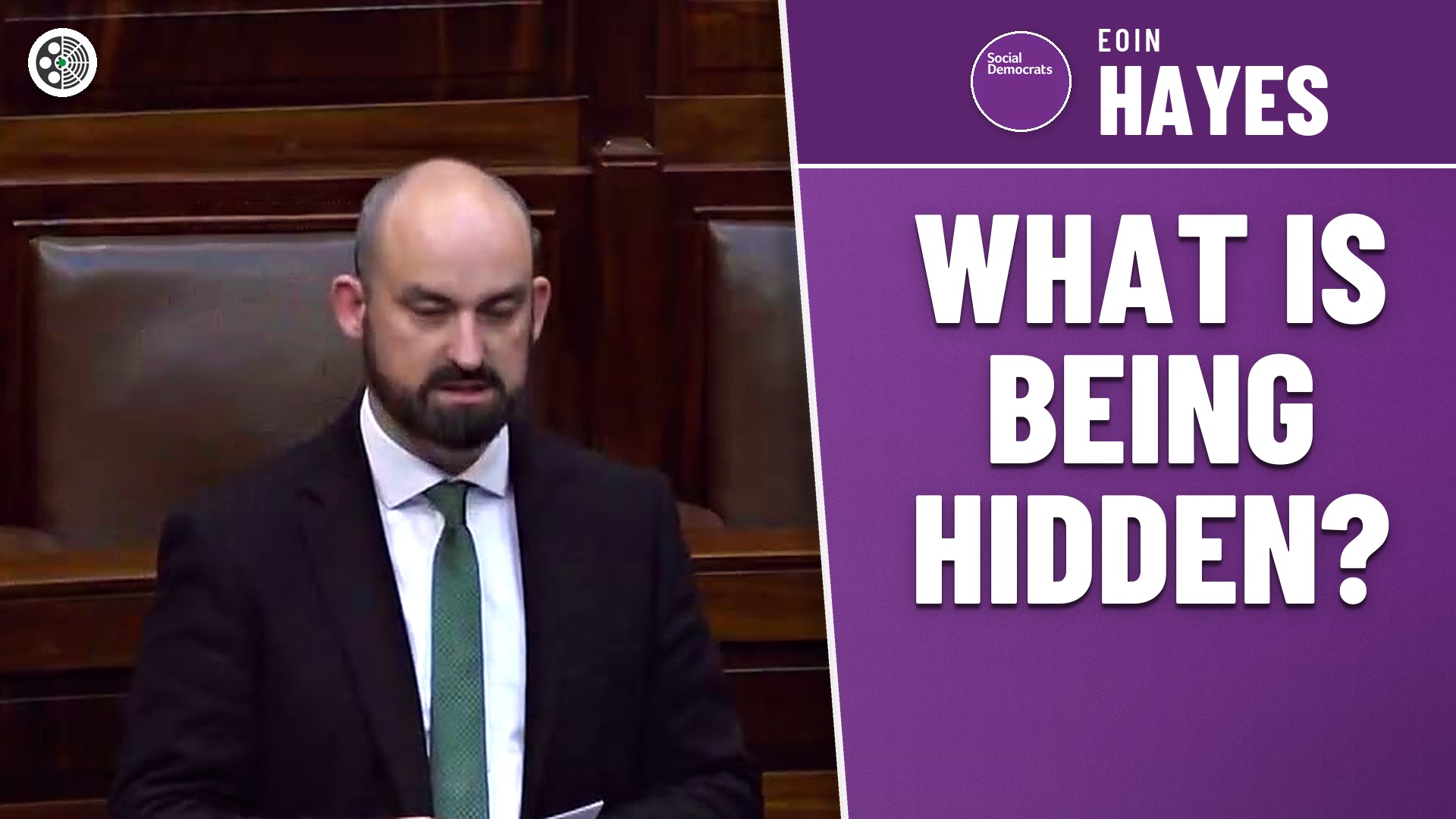


Eoin Hayes: Whistleblowing motion raises calls for investigation
Eoin Hayes spoke in a debate on a motion concerning protected disclosures, arguing that allegations about how disclosures were handled require an investigation. He criticised the Government for opposing the motion and questioned its confidence in the protections and procedures in place for whistleblowers.
Hayes described Ireland’s history of whistleblowing as deeply troubled, saying institutional tribalism can displace an objective assessment of facts and foster denial, cover-ups and retribution. He said whistleblowers can face undermining, unfair treatment and bullying, with serious effects on their mental health and families.
He said the allegations raised in the motion were grave and that the full truth should be established, even if it led to uncomfortable conclusions. He also cautioned that initial disclosures can lead to further revelations, including concerns about possible criminality.
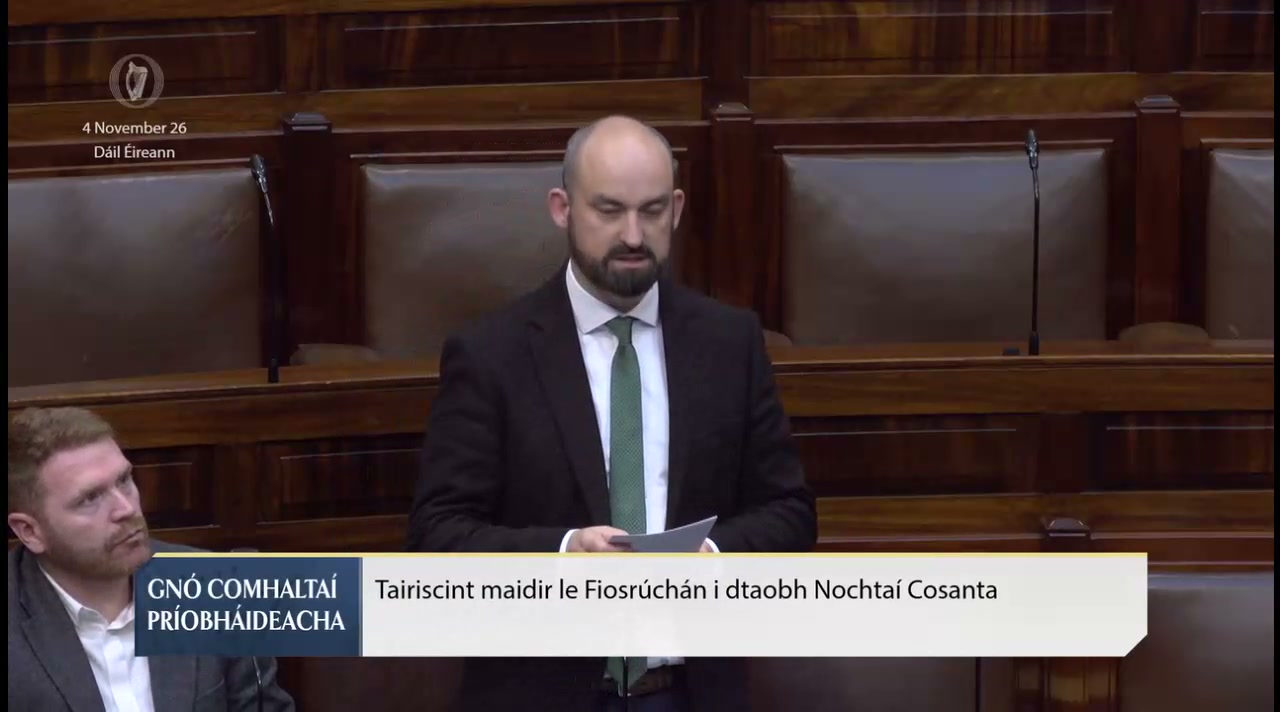
Hayes described Ireland’s history of whistleblowing as deeply troubled, saying institutional tribalism can displace an objective assessment of facts and foster denial, cover-ups and retribution. He said whistleblowers can face undermining, unfair treatment and bullying, with serious effects on their mental health and families.
He said the allegations raised in the motion were grave and that the full truth should be established, even if it led to uncomfortable conclusions. He also cautioned that initial disclosures can lead to further revelations, including concerns about possible criminality.
We publish thousands of recordings to make Irish politics transparent and resistant to manipulation. Spotted an error? Report it — together we are building a reliable archive of Irish politics.
Other speeches
Tego samego dnia All speeches from this day →
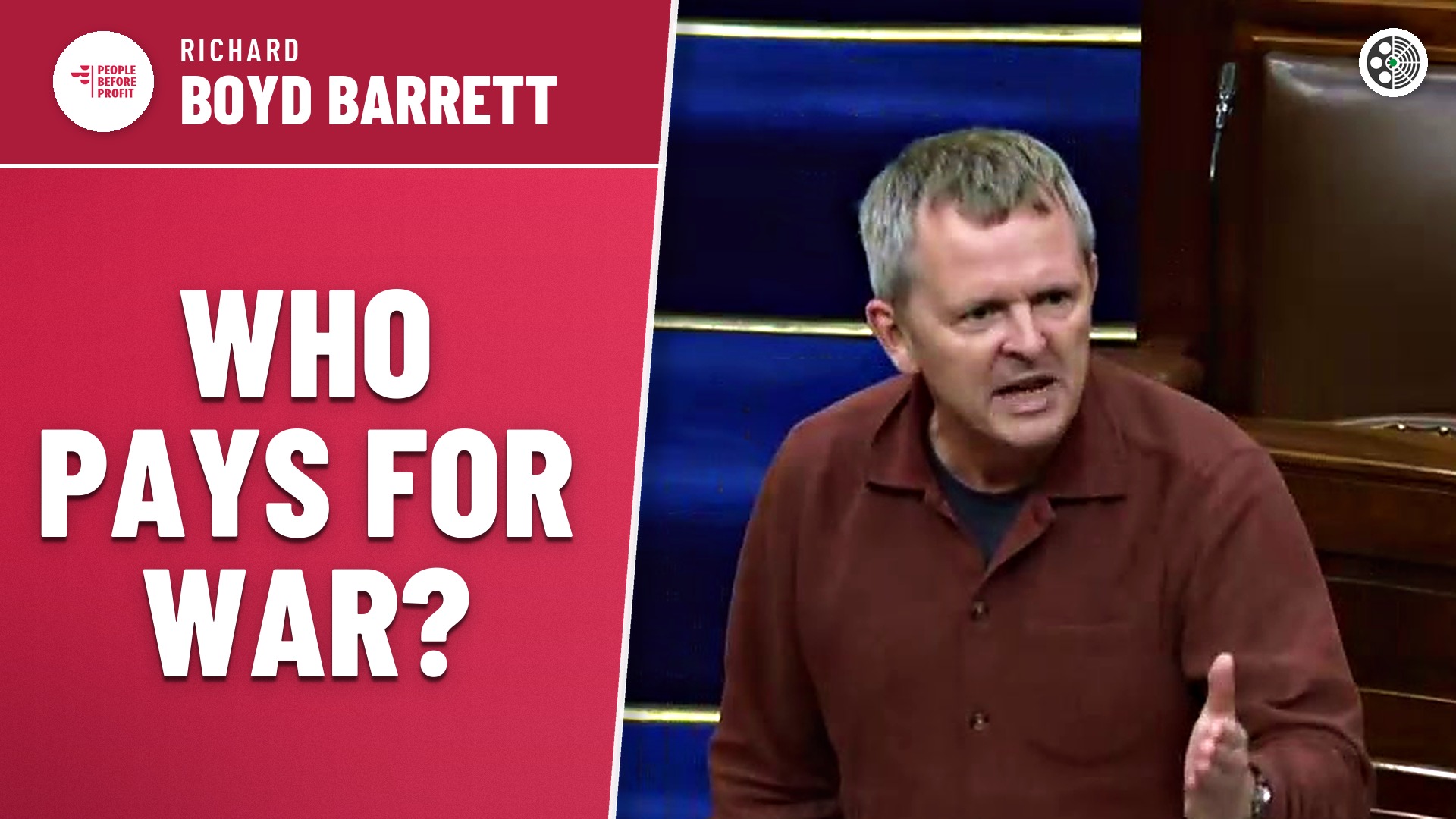
Richard Boyd Barrett
Richard Boyd Barrett: Europe’s arms plan and Irish neutrality
Alice-Mary Higgins
Alice-Mary Higgins presses Ireland on Israel and Horizon
Edward Timmins
Edward Timmins: USC proposal would reduce tax take
Micheál Martin
Micheál Martin sets out Ireland’s European Council priorities
Ivana Bacik
Ivana Bacik Challenges Taoiseach on Data Centre Growth
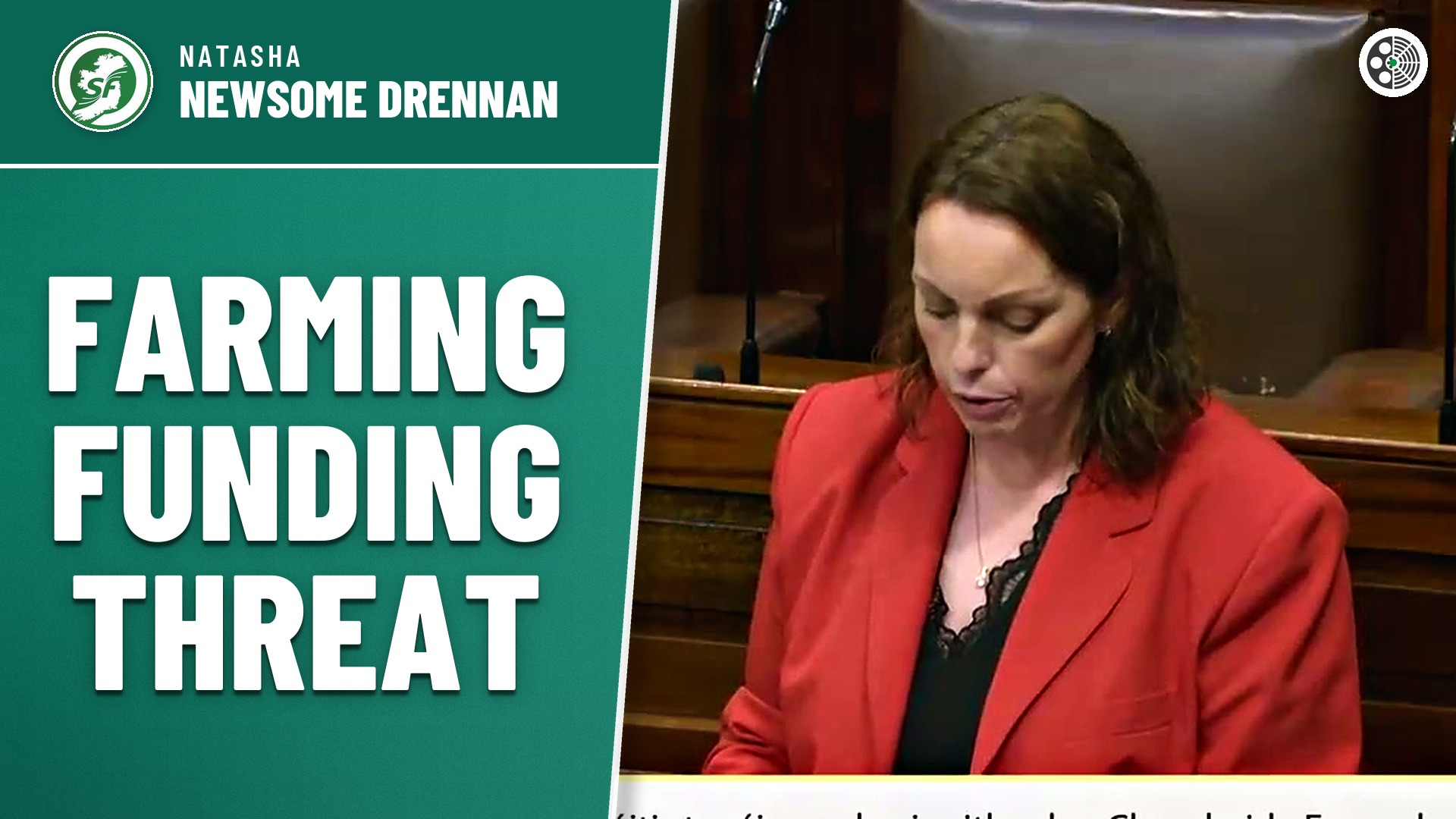
Natasha Newsome Drennan
Natasha Newsome Drennan: Farmers must not pay for EU priorities
Transcript
I'd like to start off by welcoming this motion and I'm glad to see wide opposition support
on this issue for protected disclosures. Whistleblowing in Ireland has a very checkered
history. As we have seen far too often, a deep tribalism can seep into institutions in this state
rather than an objective assessment of the facts and this can breed a culture of denial,
cover-up and retribution. Whistleblowing takes great courage and perseverance,
sometimes over many years, and it can take a great toll on those who do it.
In standing up for what's right, for integrity, for fairness, people are often treated wrongly,
consistently undermined and deprived of any fair justice or process. Whispers ensue in
people are moved around, power structures change and a culture of bullying can fester.
That experience, as too many in this country are familiar with, takes an extreme toll on
the whistleblower, on their mental health and on their families. The questions before us in this
motion are very grave. There are allegations or insinuations of wrongdoing in the upper echelons
of vanguardish economy. If what I have been told privately is true, it would send shockwaves
across the political system and across the country. It may yet threaten a government.
Our job as custodians of public integrity is to seek out the full truth, even if it is
uncomfortable, even if it leads us to difficult realisations about our country and those who
are meant to protect and serve it. History has shown us that initial disclosures can merely
mark the beginning of revelations, as deeper concerns, including criminality, emerge during
subsequent investigations. I am disappointed the government has chosen to oppose this motion
and want to call out two specific lines in the government's amended motion which I think are
worth emphasising to the general public. One line says, the government is satisfied that there are
robust procedures and protections for those who make disclosures. From what we know about how past
disclosures have been handled and from what I have heard privately about these cases, I do not see
how any government could possibly be satisfied with the protected disclosure system or have
confidence in it. Another line in the amended motion says, vanguardish economy have emphasised
that all allegations made under the protected disclosures acts to vanguardish economy
are treated seriously and examined for any potential disciplinary or criminal matters
that may arise. While I would like to believe that is true, the government may rue the day
it made that declaration. An investigation is required to establish exactly what happened
with these disclosures and to understand just how seriously they were treated,
because if the truth emerges that there was any refusal to examine any disciplinary or
criminal matters in vanguardish economy, it will cause a political crisis that this government
will not survive.