



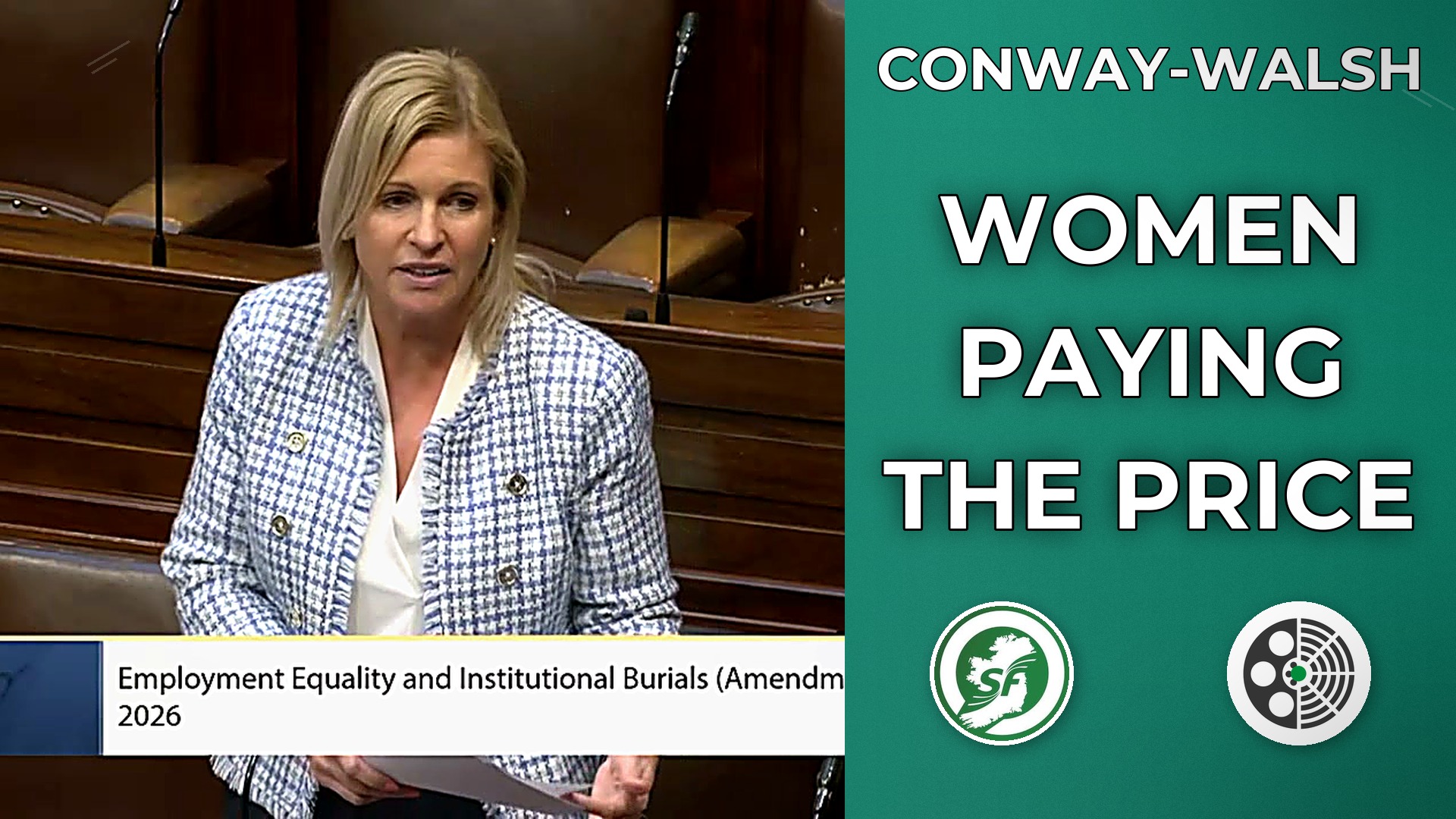
Rose Conway-Walsh challenges whistleblower protections
Rose Conway-Walsh criticised the operation of Ireland’s protected disclosure system during an Oireachtas contribution, arguing that people who report wrongdoing can face isolation and penalties. She called on the Minister for Justice to correct the system and backed the Horkan family’s quest for a public inquiry.
She challenged the Minister for Justice to identify anyone who had made a protected disclosure and then been able to continue and flourish in their career, including within An Garda Síochána and government. She argued that the Act’s application could expose people who report wrongdoing to isolation, discrediting and penalties.
She described Margaret Loftus’s 2020 protected disclosure to FISRU about Garda handling of domestic abuse cases. Conway-Walsh said the disclosure was shared with the organisation and the people it concerned before it was investigated, and that Loftus was not entitled to see the recommendations or know whether they were implemented.
She linked the case to the death of Colm Horkan, saying concerns about equipment and risk management should be examined to prevent serious harm and save lives. She supported the Horkan family’s quest for a public inquiry and asked whether the death could have been prevented.
She challenged the Minister for Justice to identify anyone who had made a protected disclosure and then been able to continue and flourish in their career, including within An Garda Síochána and government. She argued that the Act’s application could expose people who report wrongdoing to isolation, discrediting and penalties.
She described Margaret Loftus’s 2020 protected disclosure to FISRU about Garda handling of domestic abuse cases. Conway-Walsh said the disclosure was shared with the organisation and the people it concerned before it was investigated, and that Loftus was not entitled to see the recommendations or know whether they were implemented.
She linked the case to the death of Colm Horkan, saying concerns about equipment and risk management should be examined to prevent serious harm and save lives. She supported the Horkan family’s quest for a public inquiry and asked whether the death could have been prevented.
We publish thousands of recordings to make Irish politics transparent and resistant to manipulation. Spotted an error? Report it — together we are building a reliable archive of Irish politics.
Other speeches
Tego samego dnia All speeches from this day →
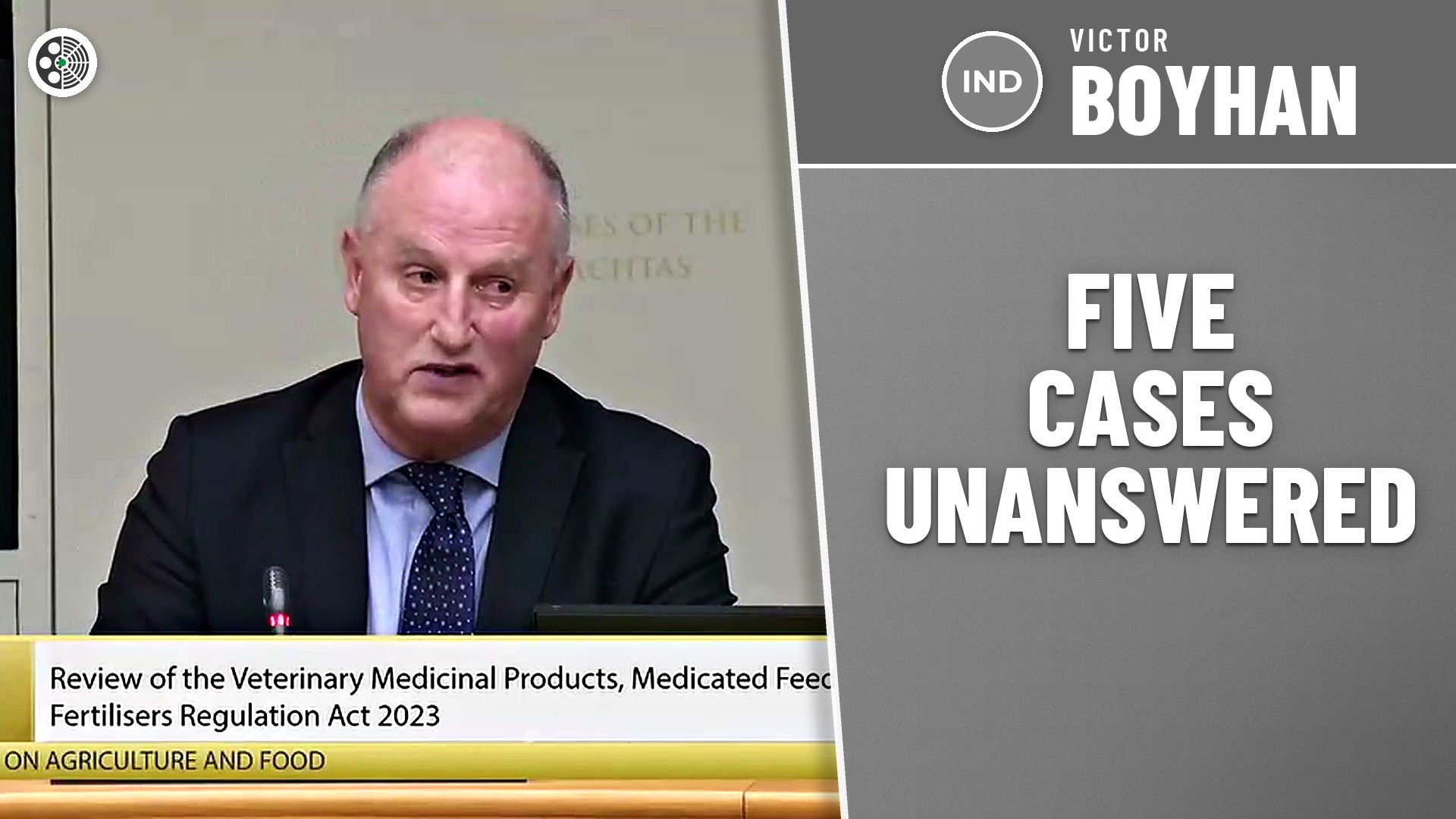
Victor Boyhan
Victor Boyhan presses Veterinary Council on five cases
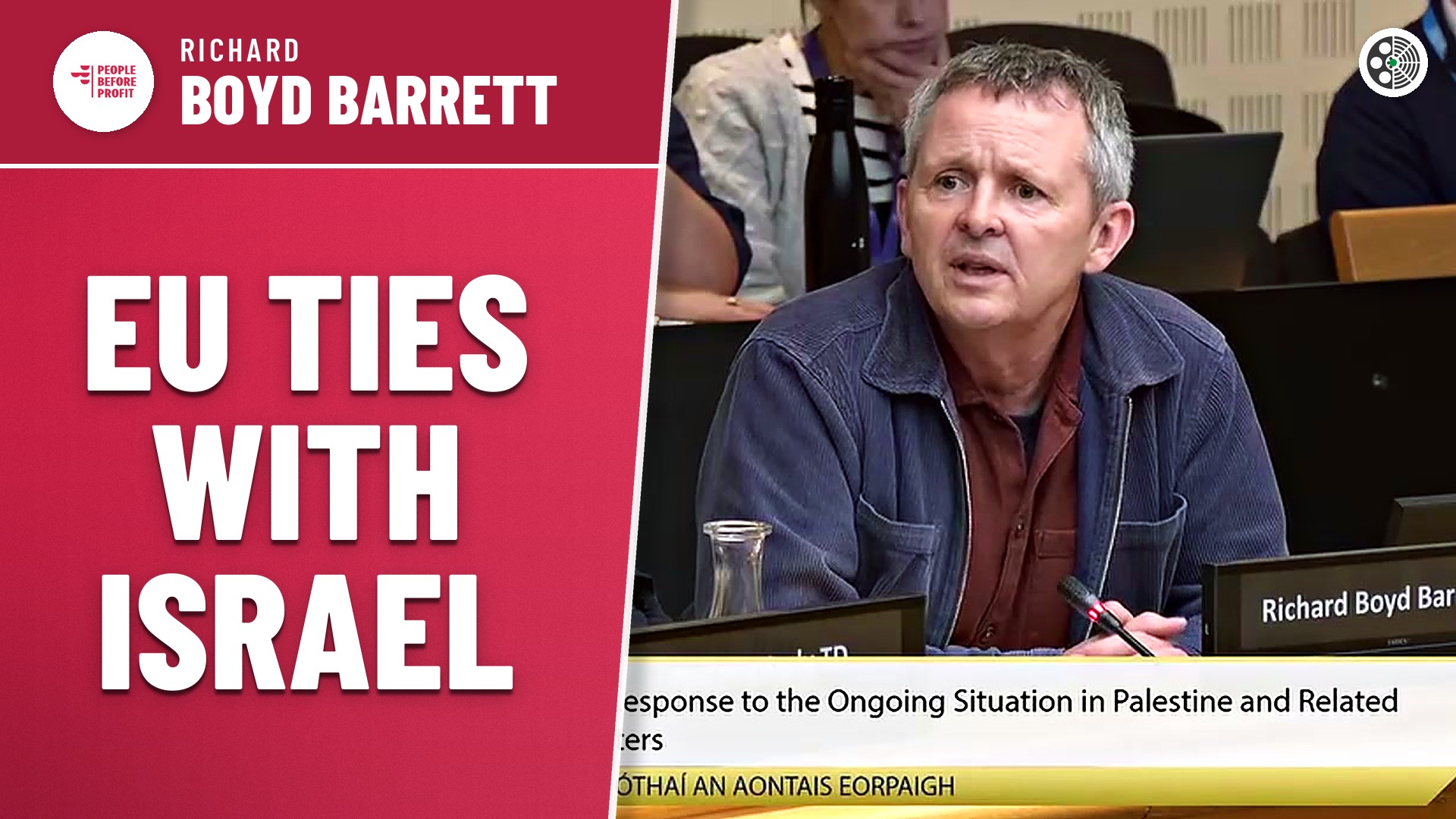
Richard Boyd Barrett
Richard Boyd Barrett questions EU ties with Israel
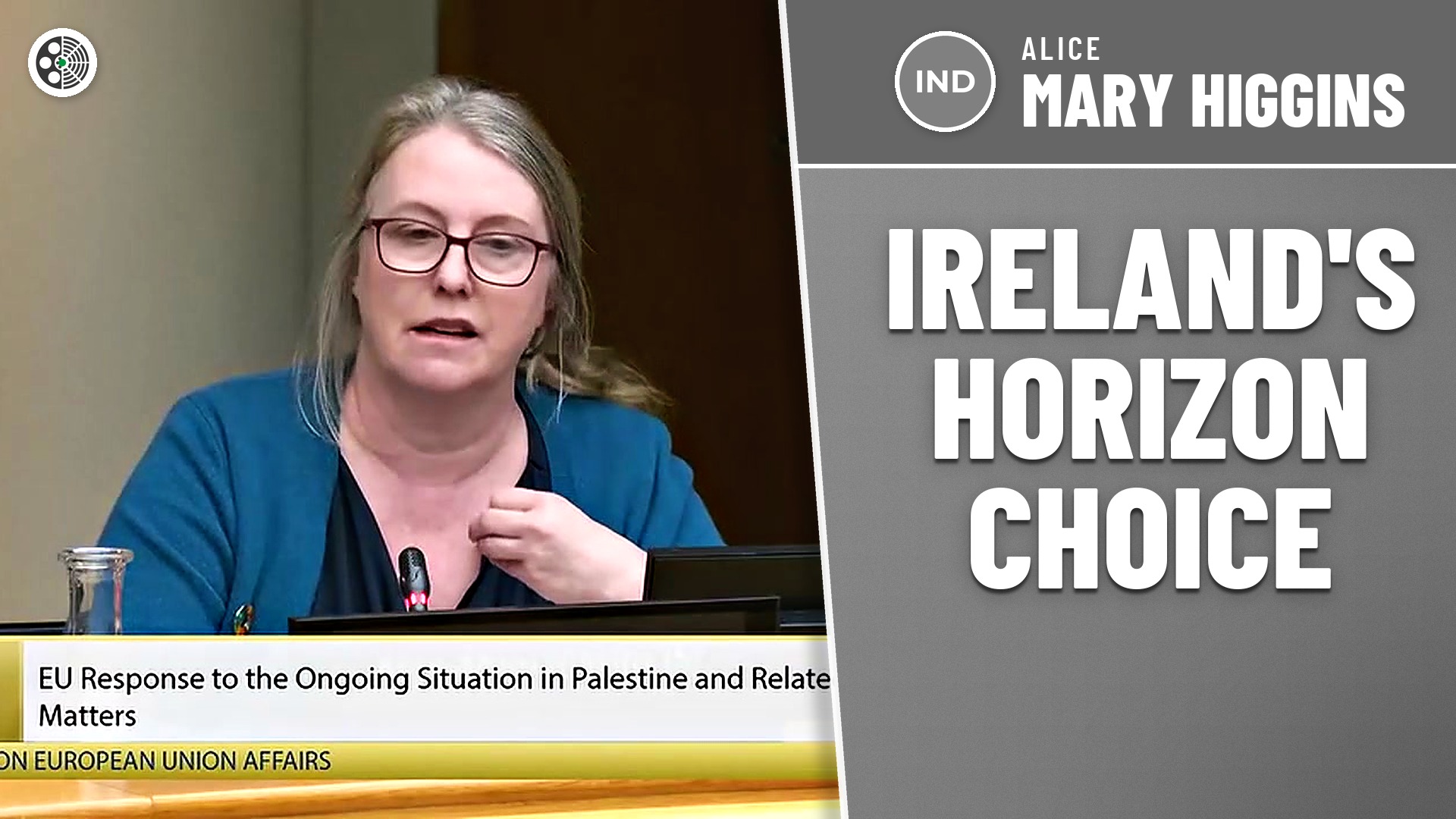
Alice-Mary Higgins
Alice-Mary Higgins presses Ireland on Israel and Horizon
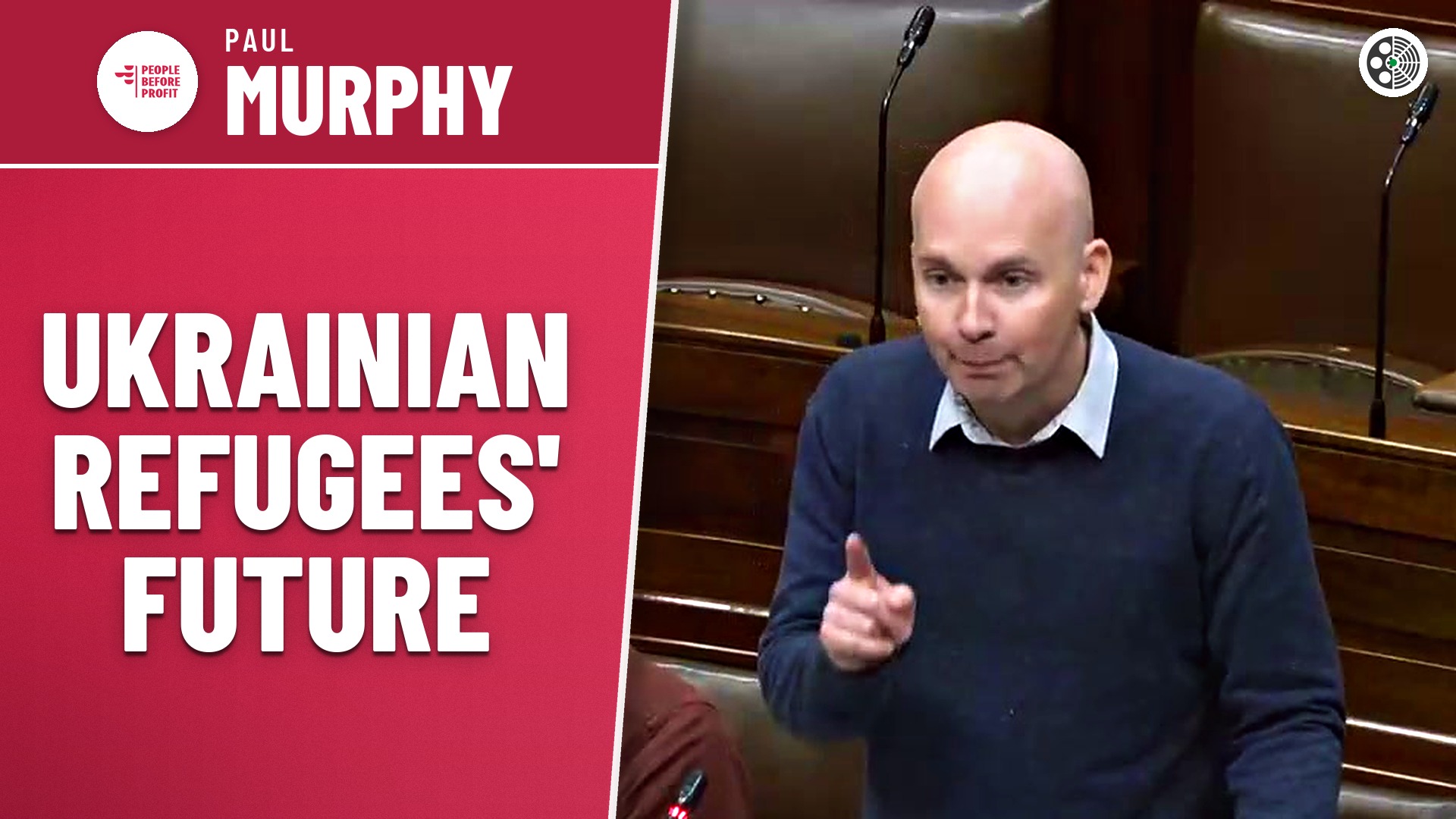
Paul Murphy
Paul Murphy challenges Ireland’s Ukraine protection rules
Natasha Newsome Drennan
Natasha Newsome Drennan: Farmers must not pay for EU priorities
Mattie McGrath
Mattie McGrath: Rural holiday lets are not housing
Transcript
Go raibh maith agat. Minister, I would challenge you to find me one person who has made a protected
disclosure and was let to continue in their job and flourish. Just one person. One person
who was allowed to do that once they made a protected disclosure. I would challenge
you that within An Garda Síochána, but I would challenge it to government as well on
a wider basis. Just one person who was allowed to continue and flourish in their careers
once they made a protected disclosure. When the Protected Disclosure Act was introduced,
it was sold as legislation that would protect people who speak up about wrongdoing. In its
current application, all it's been used to do is to highlight and to identify people
who speak against wrongdoings. Once the person is identified, they can find themselves isolated,
ostracised, discredited and indeed penalised. And penalised in the most severe ways. In
2020, Margaret Loftus made a protected disclosure to FISRU about issues concerning Garda handling
of cases of domestic abuse. This disclosure through a court order was handed to the organisation
and to the very people that she made the disclosure about before it was even investigated. That
disclosure is currently at recommendation stage and is being sent to the Garda Commissioner
in the very near future. Yet Margaret, the person who made the protected disclosure,
had no entitlement, no entitlement to see those recommendations or even know if they
were implemented. After sticking with a hellish process, a hellish process for six years,
she will never know what even became of it. The fundamental purpose of the protected disclosures
should be to prevent wrongdoing, to prevent harm and to protect the public interest. Instead,
many people who speak up feel it protects the institution first and the individuals
second. The tragic death of Colm Horkan remains a stark reminder of what is at stake when
concerns relating to public safety are not addressed effectively. Questions raised over
equipment and risk management should always be examined with one objective above all others,
preventing serious harm and saving lives. I support the Horkan family in their quest
for public inquiry. Any one of us who has lost a loved one in whatever circumstances
want to know the basic question, could it have been prevented? Could it have been prevented?
A whistleblower system should be judged by whether people can speak up without fear,
whether risks are addressed or whether lessons are learned. A society that punishes those
who speak the truth does not have a whistleblower protection system, so stop pretending that
we do have. It has a warning sign for everyone else to stay quiet. Stay quiet, keep your
head down if you want to keep your job. In its current form, our protected disclosure
system is protecting the very institutions that should be held to account, not the person
who highlights the wrongdoings. Minister, we have to correct this, and Minister, it's
under your watch, you have to correct it. Successive Ministers for Justice just parting
off that this isn't under our remit, nobody looks here, is totally wrong. This has to
be corrected here and now.