

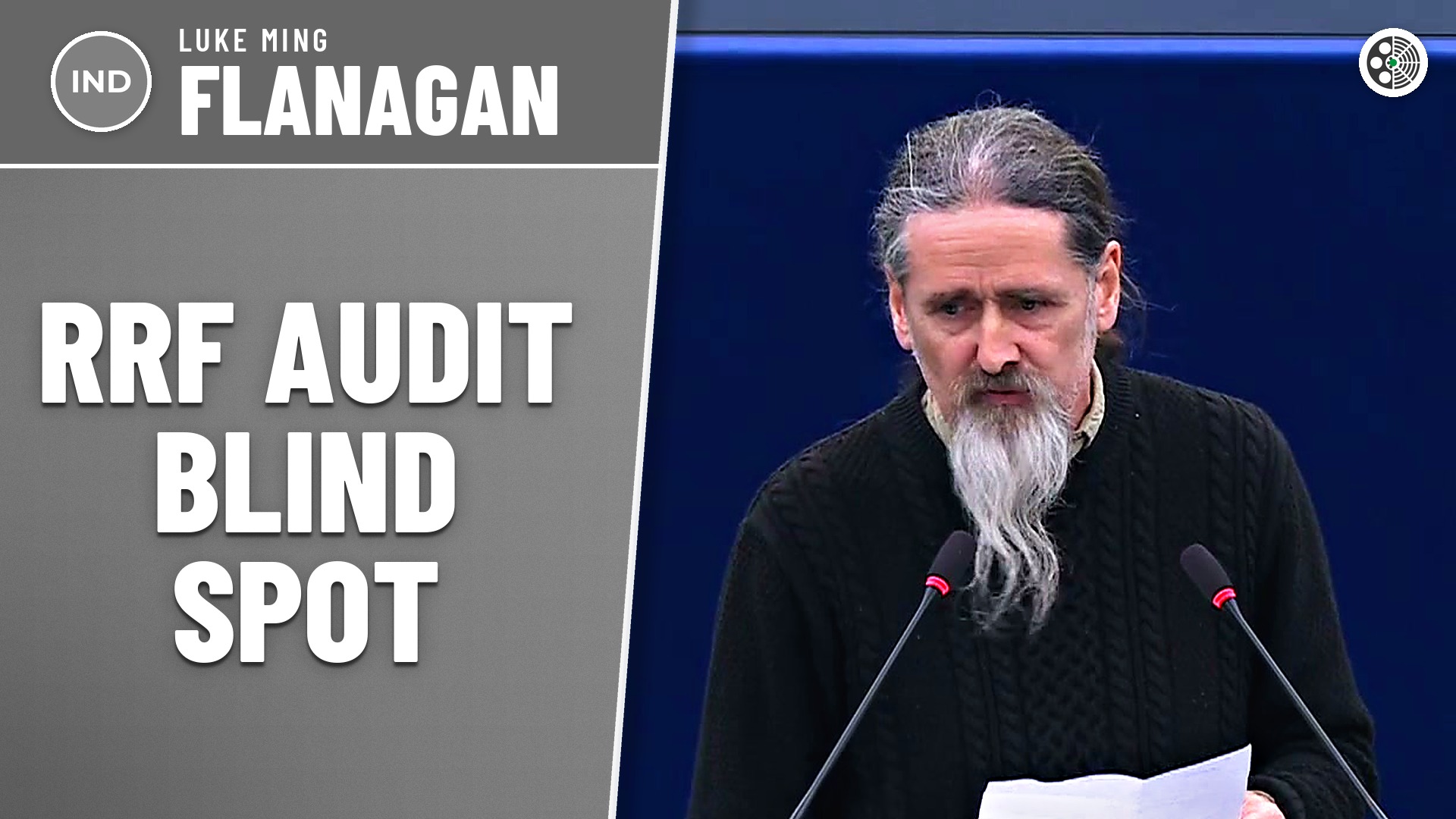


Luke Ming Flanagan: RRF audit leaves value-for-money blind spot
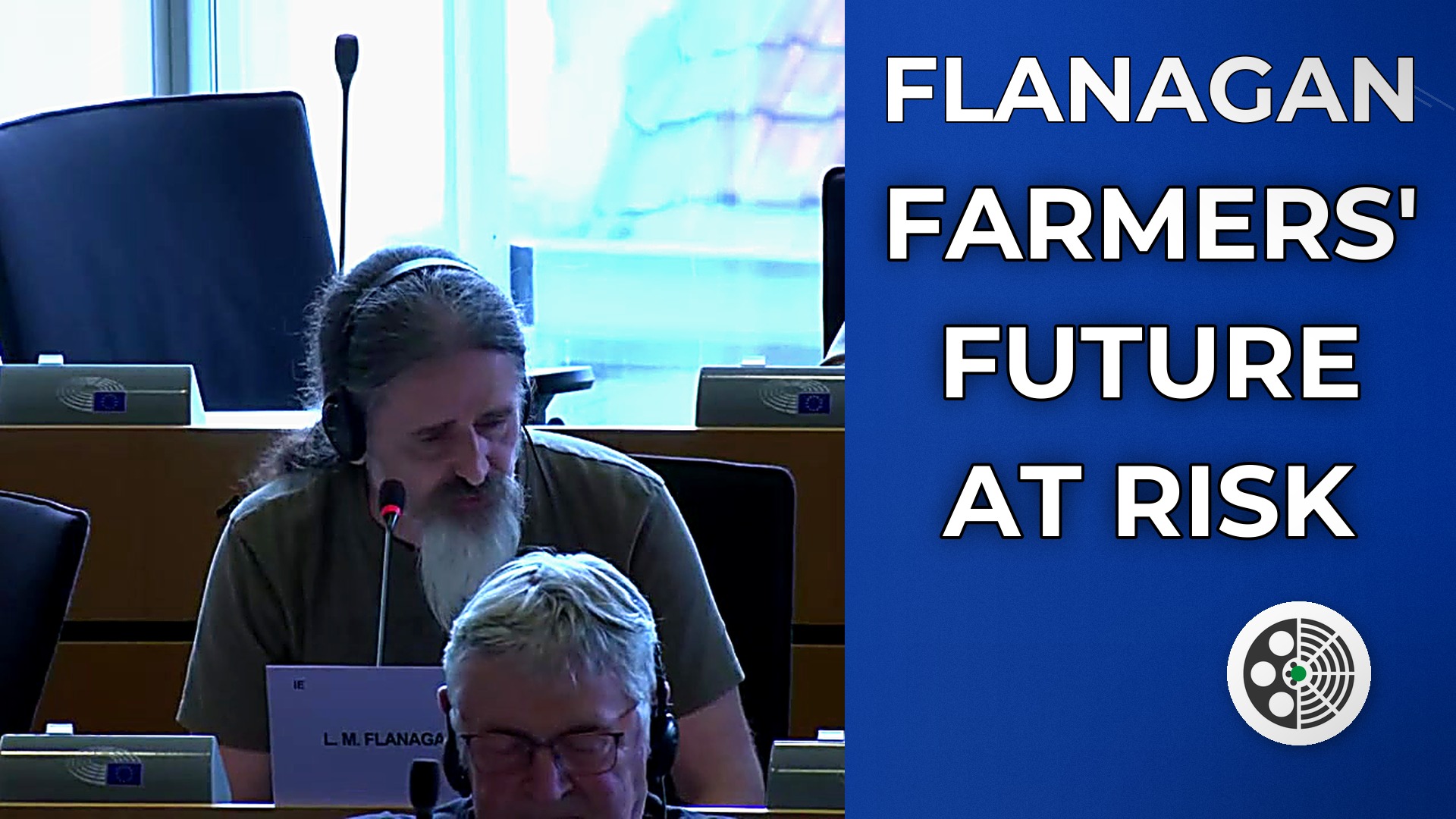
Luke Ming Flanagan argues that the Recovery and Resilience Facility (RRF) cannot be properly audited in the traditional sense. In his contribution on EU funding accountability, he says the Commission’s failure to systematically track project bills makes it impossible to establish whether citizens received value for money.
Flanagan says the RRF uses a financing model that is not linked to project costs, creating what he calls a “cost blind spot”. Without systematic records of actual bills, he argues, the value of funded projects cannot be calculated.
He says delayed implementation led countries to rush through milestones towards the end of the facility’s lifespan, which expired in September. In his view, this creates risks of administrative error and weakened audit oversight.
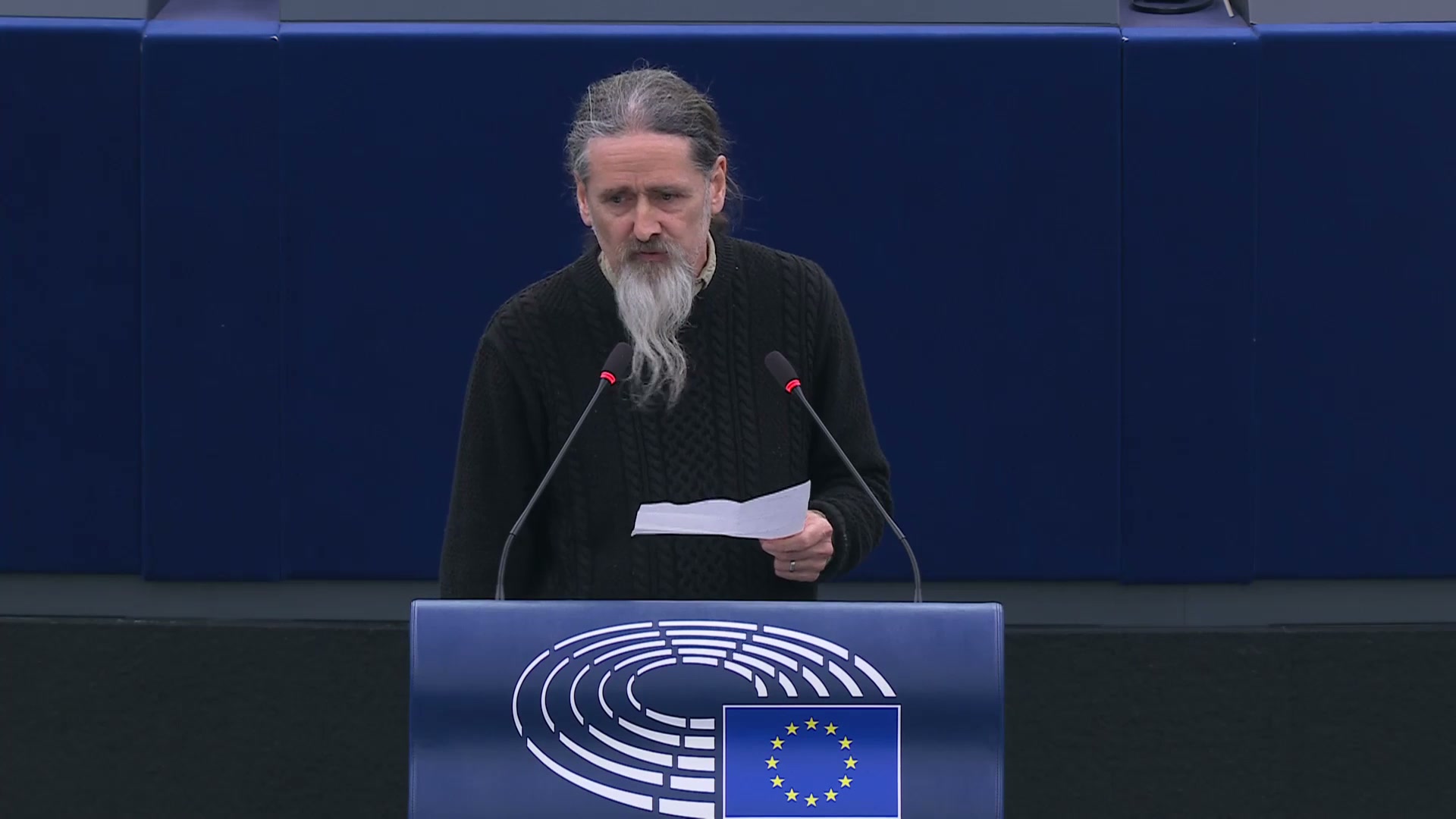
Flanagan says the Court faces a difficult task monitoring how EU funds are spent when the Commission does not provide the necessary visibility. He argues that simplification must not come at the expense of accountability.
RRF audit limitations
Flanagan says the RRF uses a financing model that is not linked to project costs, creating what he calls a “cost blind spot”. Without systematic records of actual bills, he argues, the value of funded projects cannot be calculated.
Rushed milestones and oversight risks
He says delayed implementation led countries to rush through milestones towards the end of the facility’s lifespan, which expired in September. In his view, this creates risks of administrative error and weakened audit oversight.
Accountability for EU funds
Flanagan says the Court faces a difficult task monitoring how EU funds are spent when the Commission does not provide the necessary visibility. He argues that simplification must not come at the expense of accountability.
We publish thousands of recordings to make Irish politics transparent and resistant to manipulation. Spotted an error? Report it — together we are building a reliable archive of Irish politics.
Other speeches

Tego samego dnia All speeches from this day →
Thomas Gould
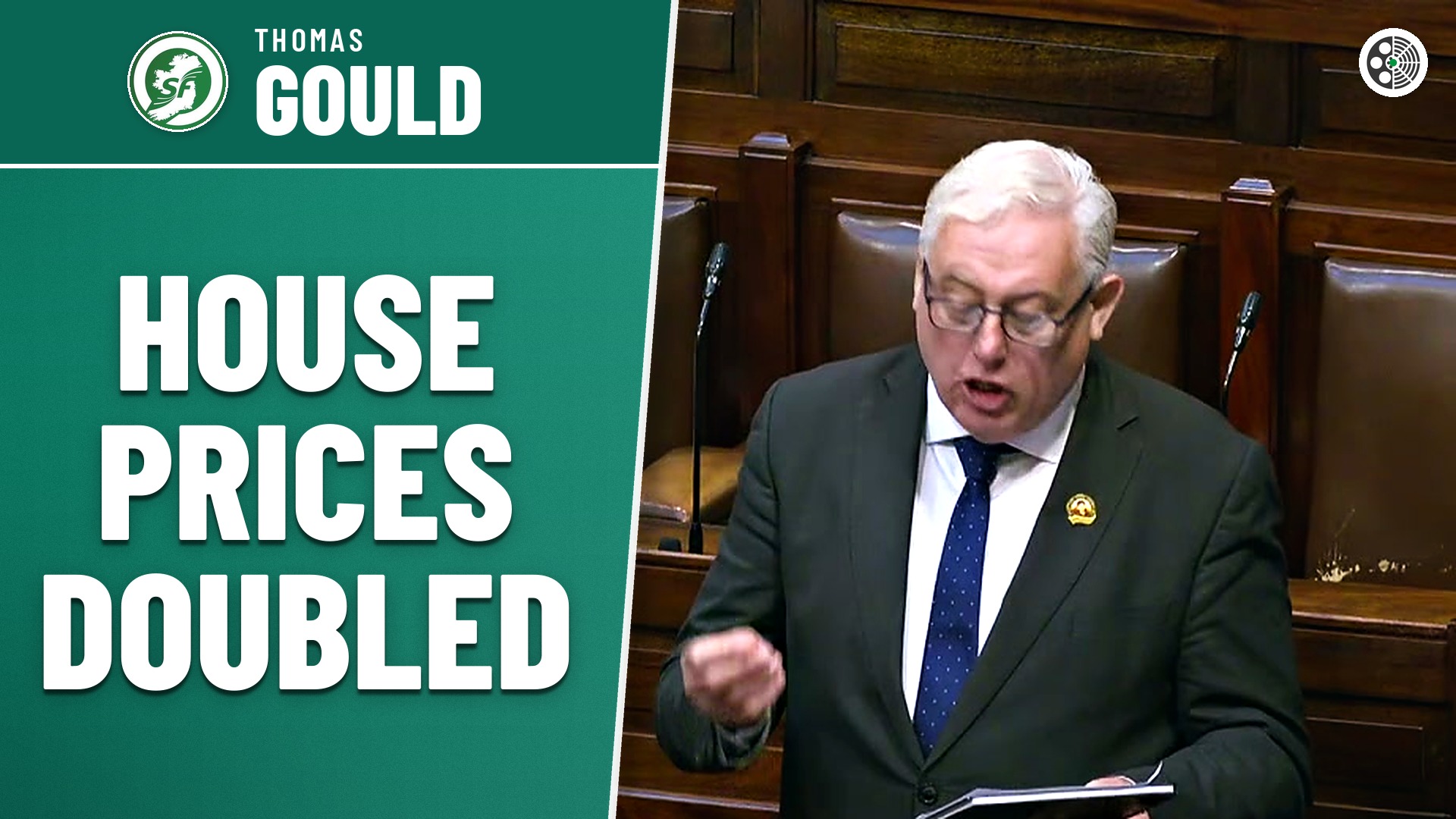
Thomas Gould challenges Taoiseach on doubled house prices
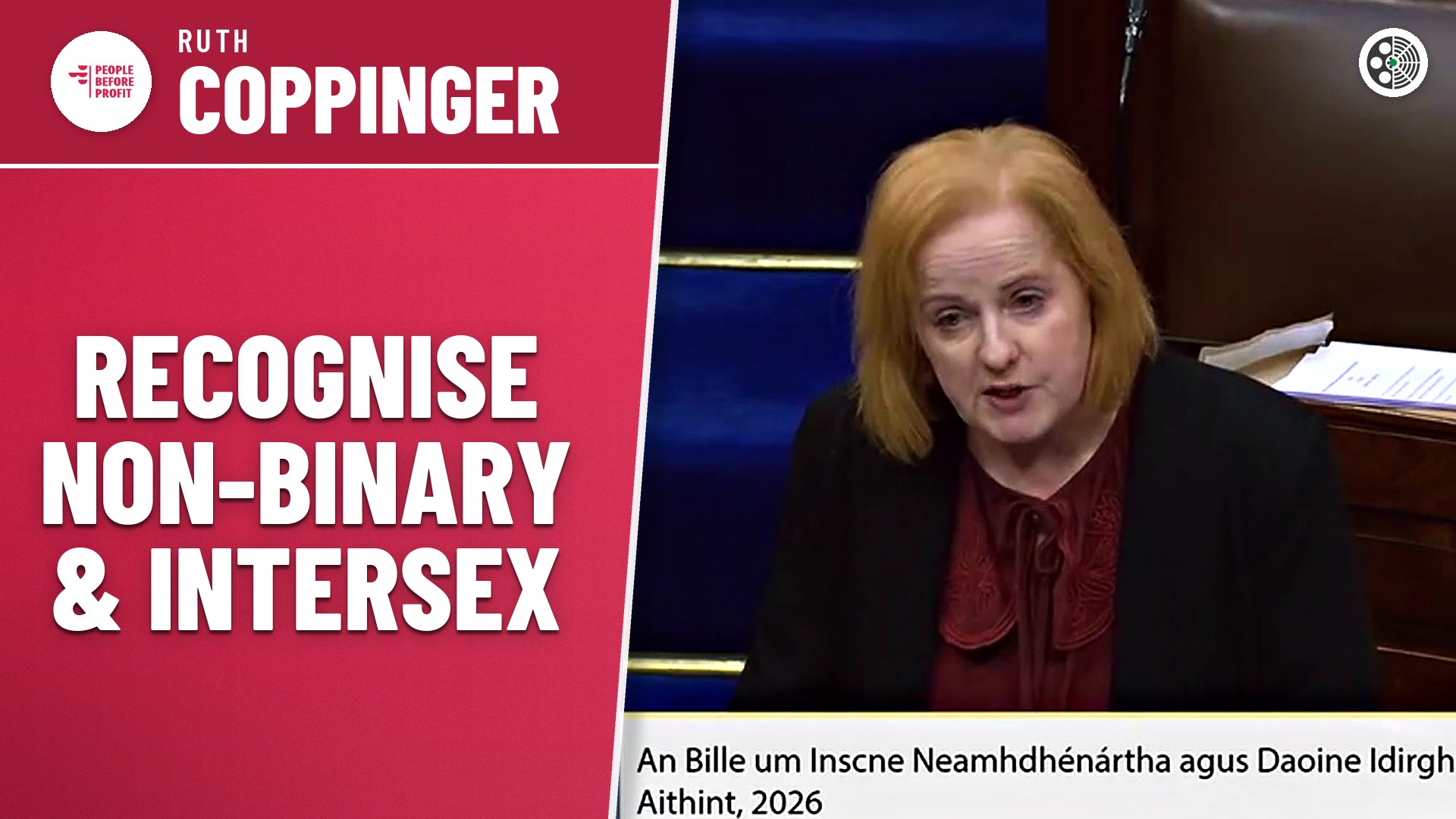
Ruth Coppinger
Ruth Coppinger says Ireland must recognise non-binary and intersex people
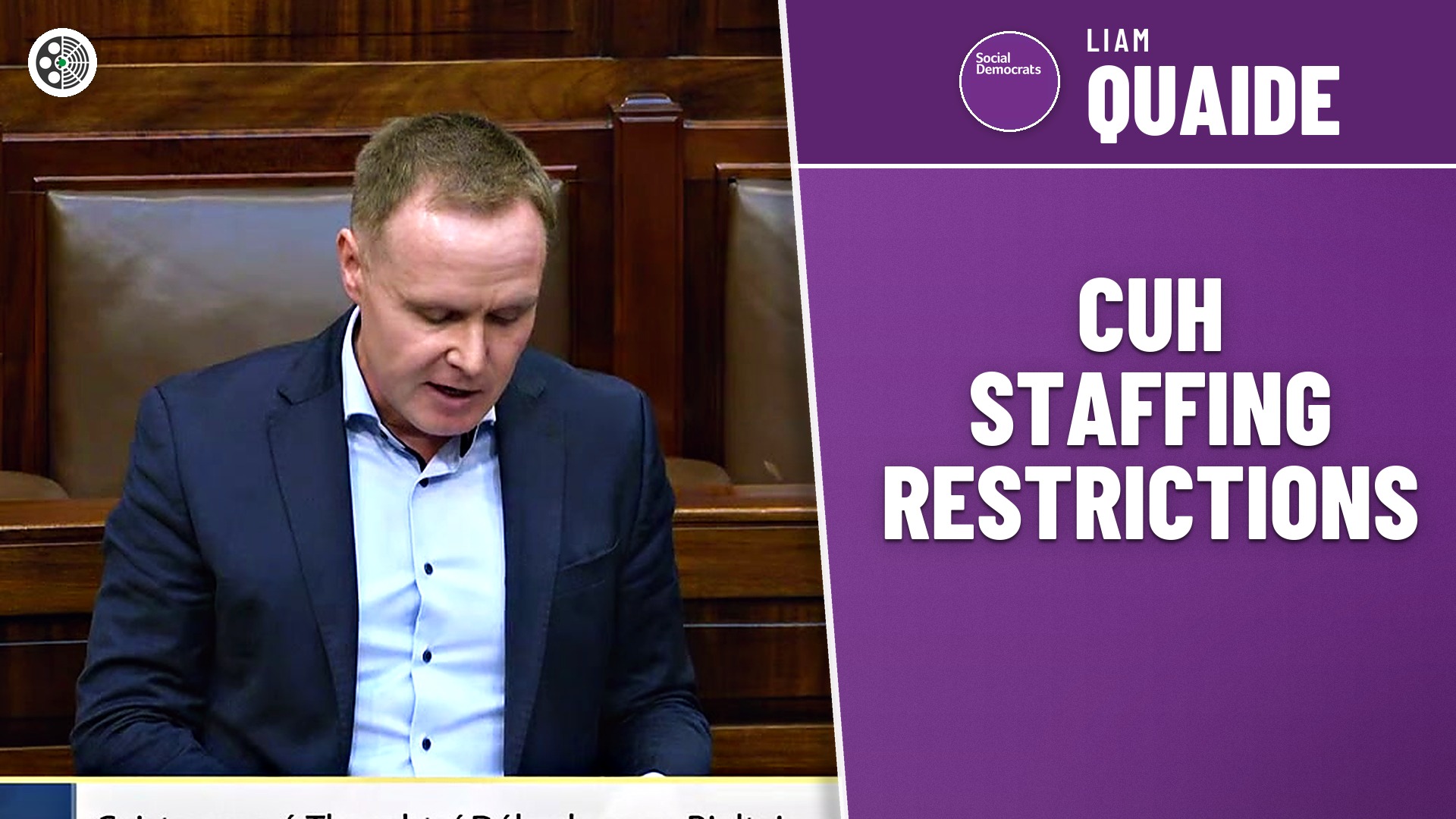
Liam Quaide
Liam Quaide challenges Taoiseach over CUH staffing restrictions
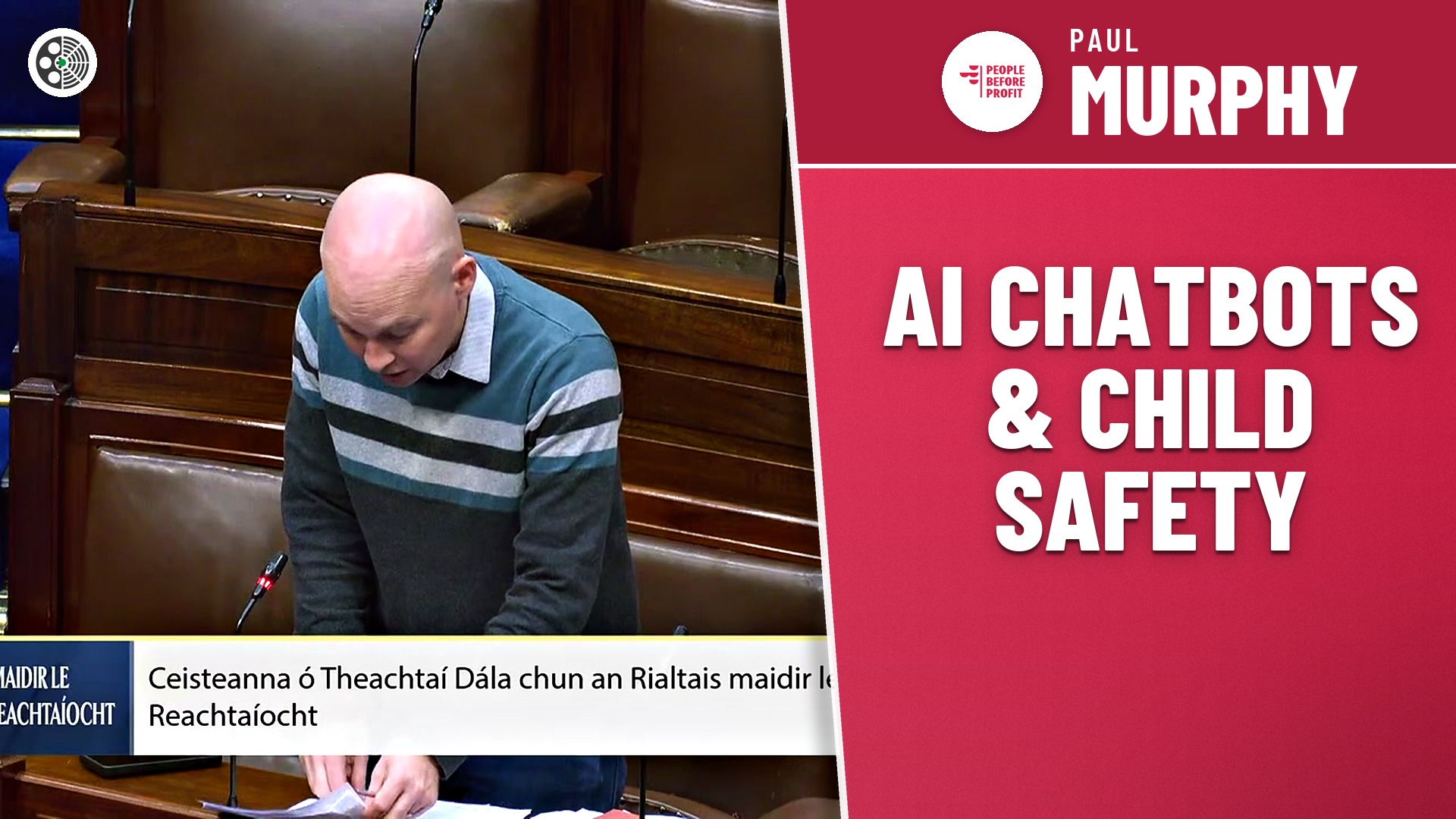
Paul Murphy
Paul Murphy presses Taoiseach on AI chatbot safety
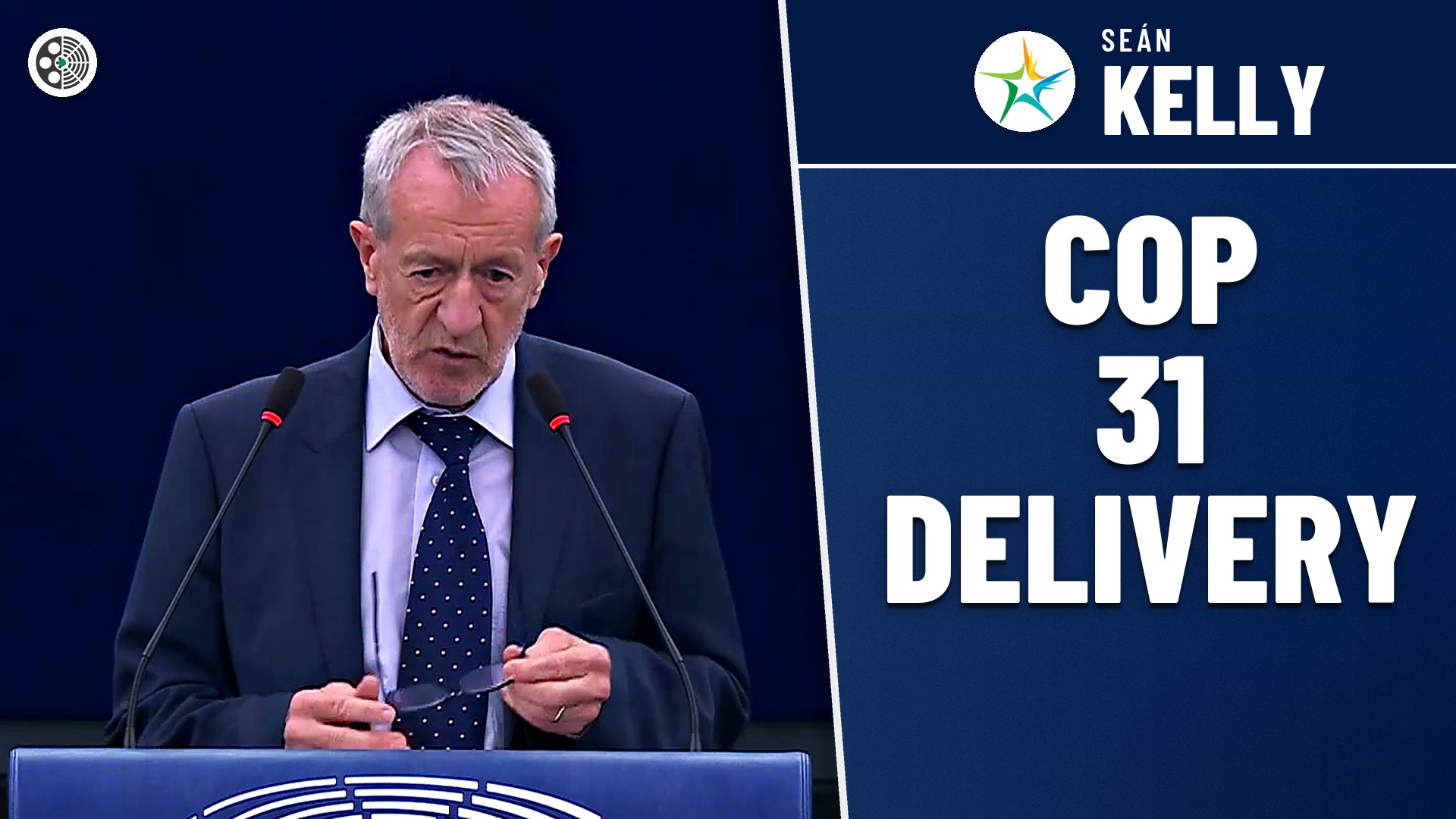
Seán Kelly
Seán Kelly sets out four priorities for COP 31
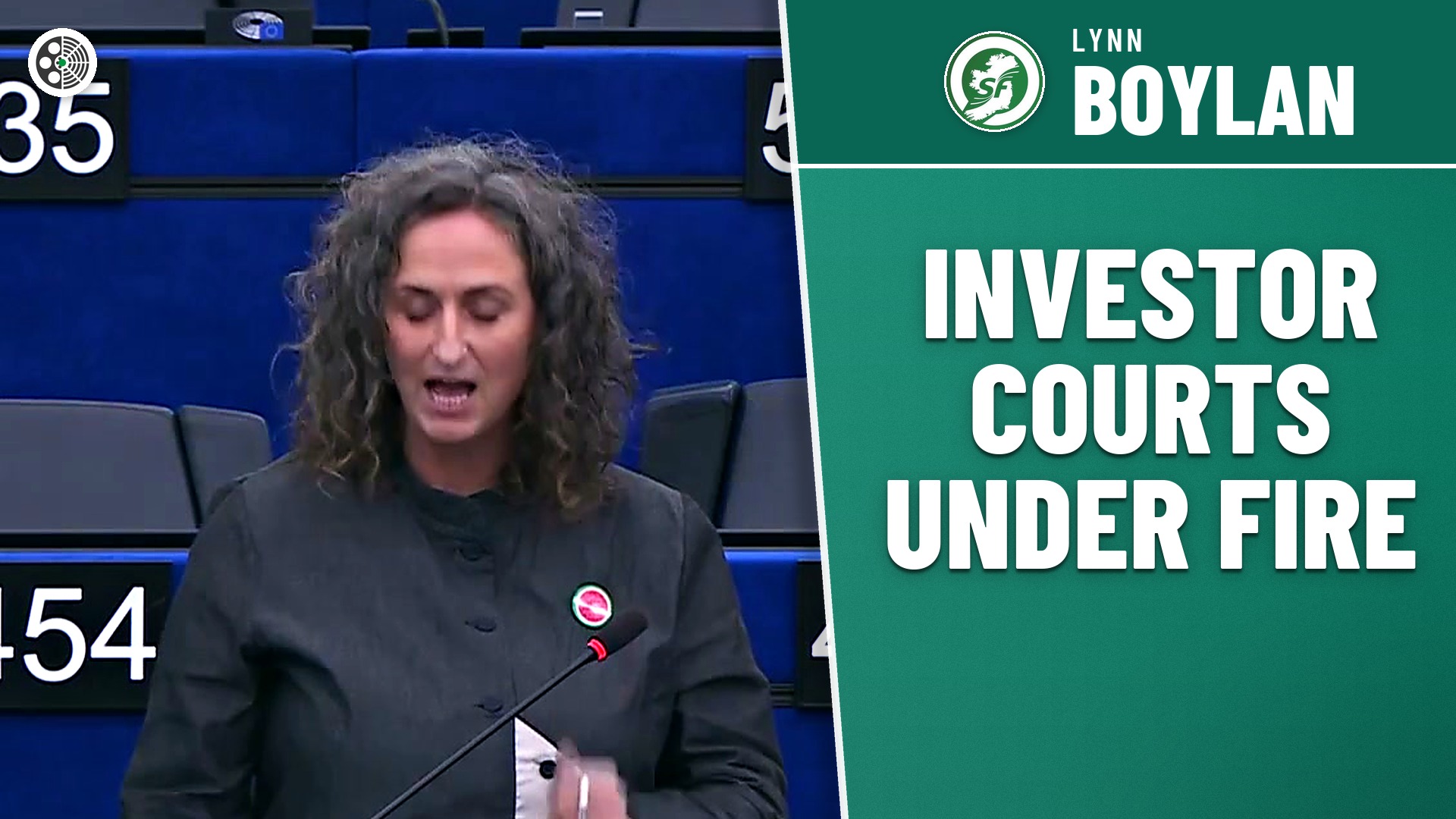
Lynn Boylan
Lynn Boylan rejects investor courts in trade agreements
Transcript
So, the question is, can the RRF be properly audited?
I'd say no, not in the traditional sense.
The RRF operates on a financing not linked to cost model.
There is a cost blind spot.
The Commission does not systematically track actual project bills, so it is mathematically
impossible to calculate if EU citizens got value for money.
I don't know that the people in the crowd listen, but they're wasting your money and
we don't know.
We now face a cliff on accountability.
The RRF expired this September.
Because countries delayed much implementation, milestones were rushed through and checked
off at the end of the facility's lifespan, introducing massive admin error and audit
oversight risks.
I don't envy the Court's task in the years ahead.
Your job is to monitor how EU funds are spent and you try your best.
It is impossible to do that when the Commission has put a hand over your eyes.
Simplification that comes at the cost of accountability is unacceptable, but that seems to be what
we're doing.
Thank you very much.