



Rose Conway-Walsh: Triple Lock must go to referendum
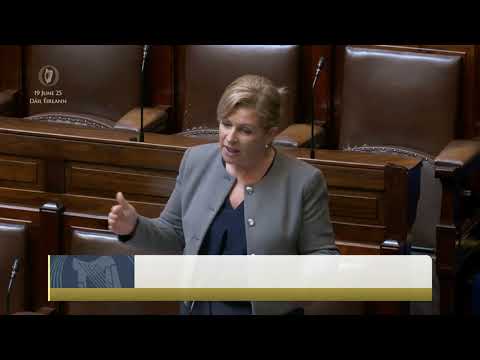
Rose Conway-Walsh told the Dáil that Sinn Féin will vote against the Bill to abolish the Triple Lock, arguing that the change would weaken safeguards for Irish neutrality. She said the Government should put any fundamental change to those safeguards to the people in a referendum.
She said the Triple Lock requires Government and Dáil approval, as well as a United Nations mandate, for certain overseas deployments. She argued that abolishing it would give the Government greater discretion and weaken democratic and international checks on Ireland’s participation in overseas military operations.
Conway-Walsh said the Triple Lock did not prevent the Defence Forces from undertaking humanitarian operations, responding to emergencies, taking part in international military training or carrying out rescue missions. She listed maritime security, protection of undersea infrastructure, cyber security, air surveillance, modern equipment and improved barracks among areas where Ireland could strengthen its defence forces without removing the safeguard.
She attributed the difficulties facing the Defence Forces to decades of underinvestment, inadequate infrastructure and failures to support personnel, including a recruitment and retention crisis. She called for reform of the United Nations Security Council, including action on the use of the veto and greater accountability, rather than abandoning the UN framework.
She said the Triple Lock requires Government and Dáil approval, as well as a United Nations mandate, for certain overseas deployments. She argued that abolishing it would give the Government greater discretion and weaken democratic and international checks on Ireland’s participation in overseas military operations.
Conway-Walsh said the Triple Lock did not prevent the Defence Forces from undertaking humanitarian operations, responding to emergencies, taking part in international military training or carrying out rescue missions. She listed maritime security, protection of undersea infrastructure, cyber security, air surveillance, modern equipment and improved barracks among areas where Ireland could strengthen its defence forces without removing the safeguard.
She attributed the difficulties facing the Defence Forces to decades of underinvestment, inadequate infrastructure and failures to support personnel, including a recruitment and retention crisis. She called for reform of the United Nations Security Council, including action on the use of the veto and greater accountability, rather than abandoning the UN framework.
We publish thousands of recordings to make Irish politics transparent and resistant to manipulation. Spotted an error? Report it — together we are building a reliable archive of Irish politics.
Other speeches

Tego samego dnia All speeches from this day →
Brian Stanley
Brian Stanley: Triple Lock abolition is not reform
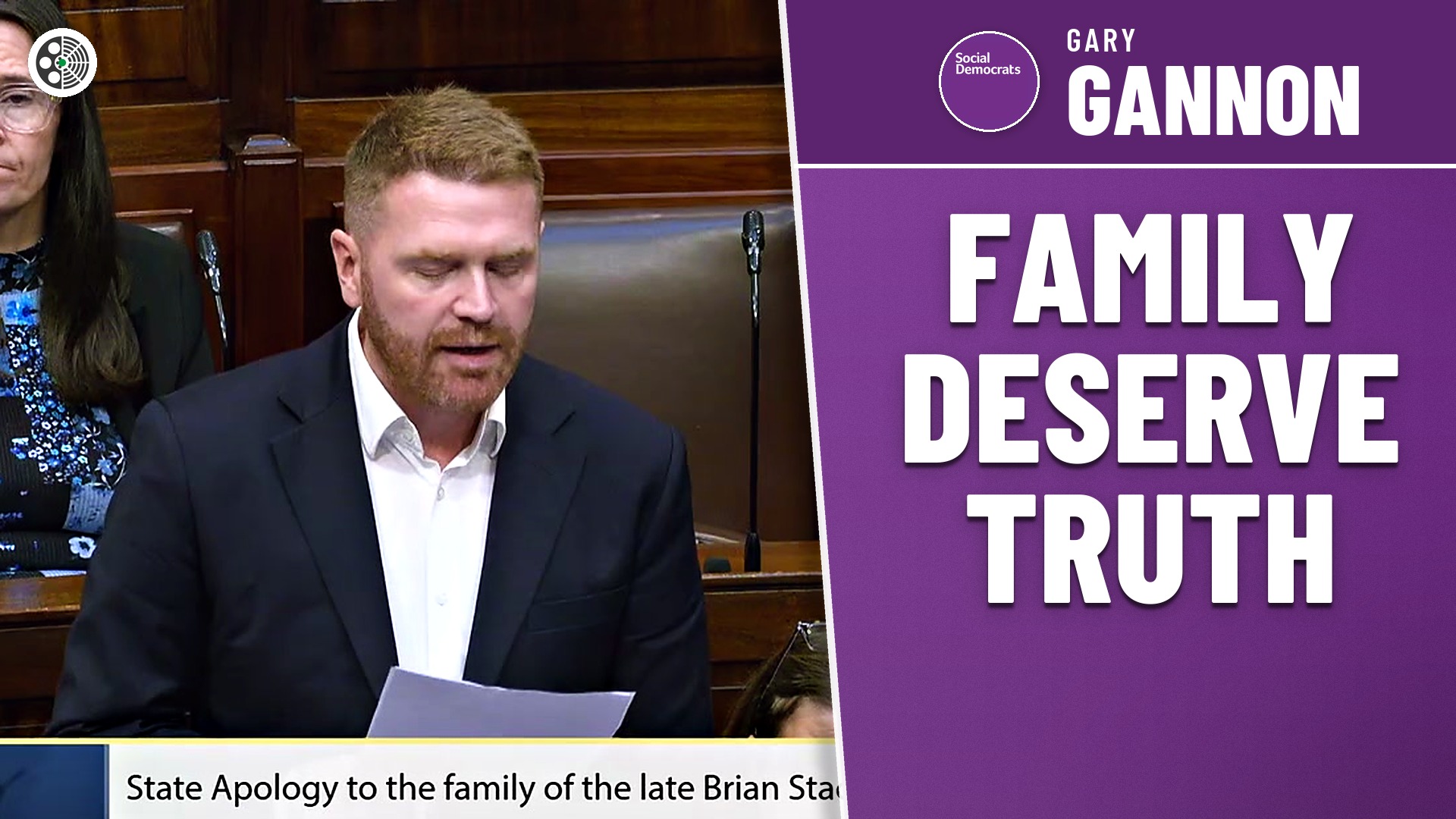
Gary Gannon
Gary Gannon: Stack apology must lead to meaningful action
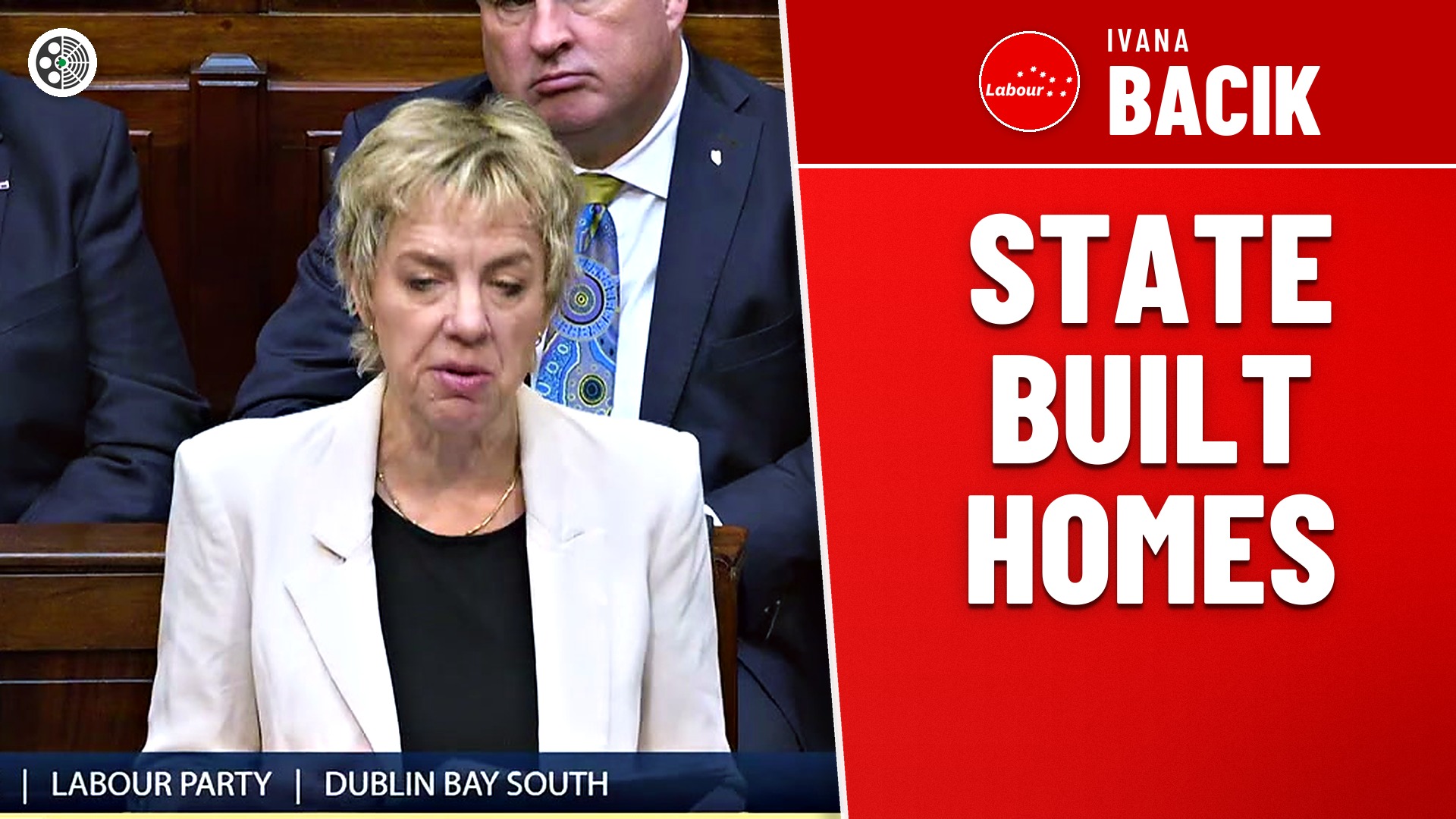
Ivana Bacik
Ivana Bacik: Resource the LDA to build homes at scale
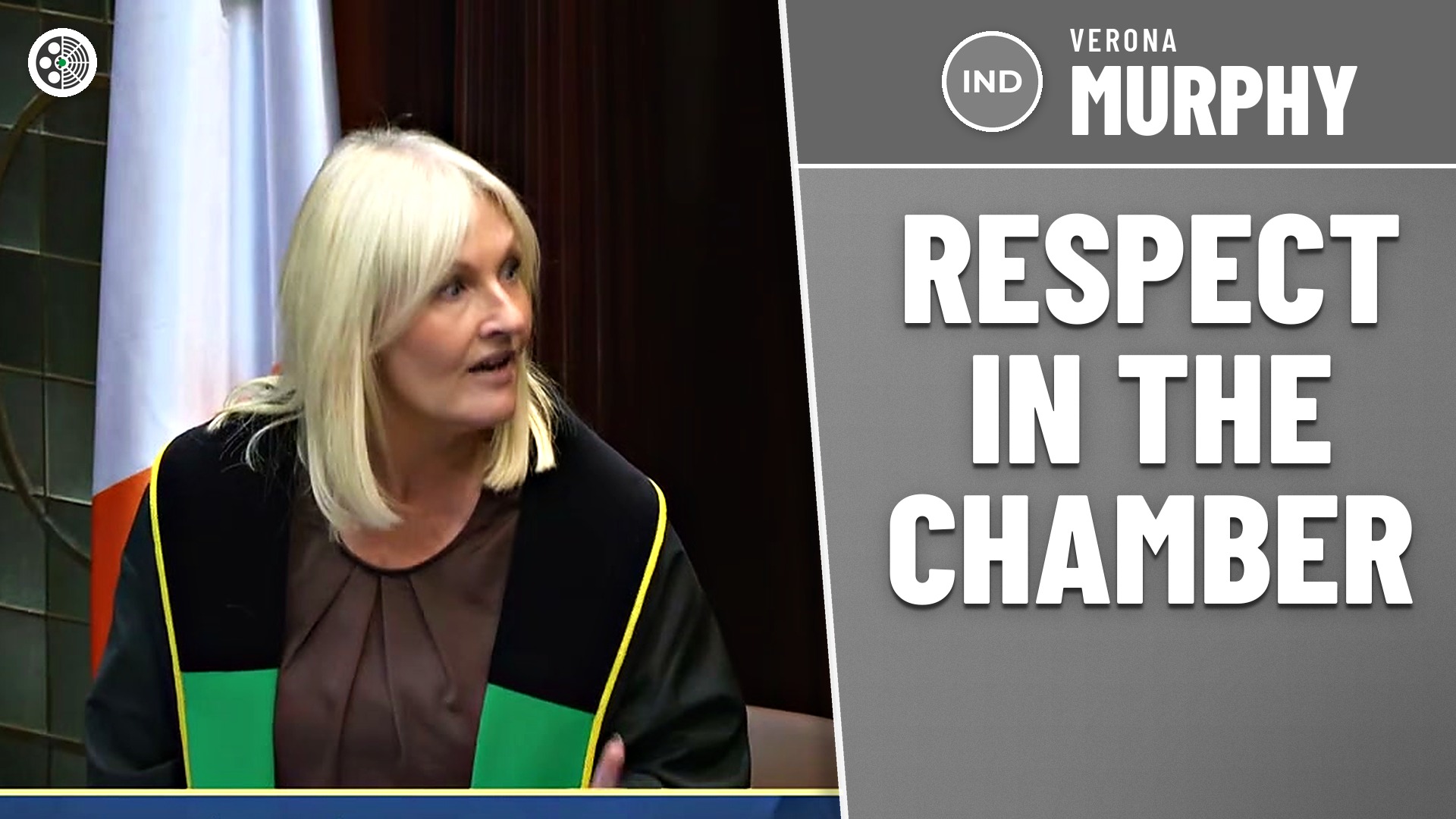
Verona Murphy
Verona Murphy calls for respect and order in the Chamber
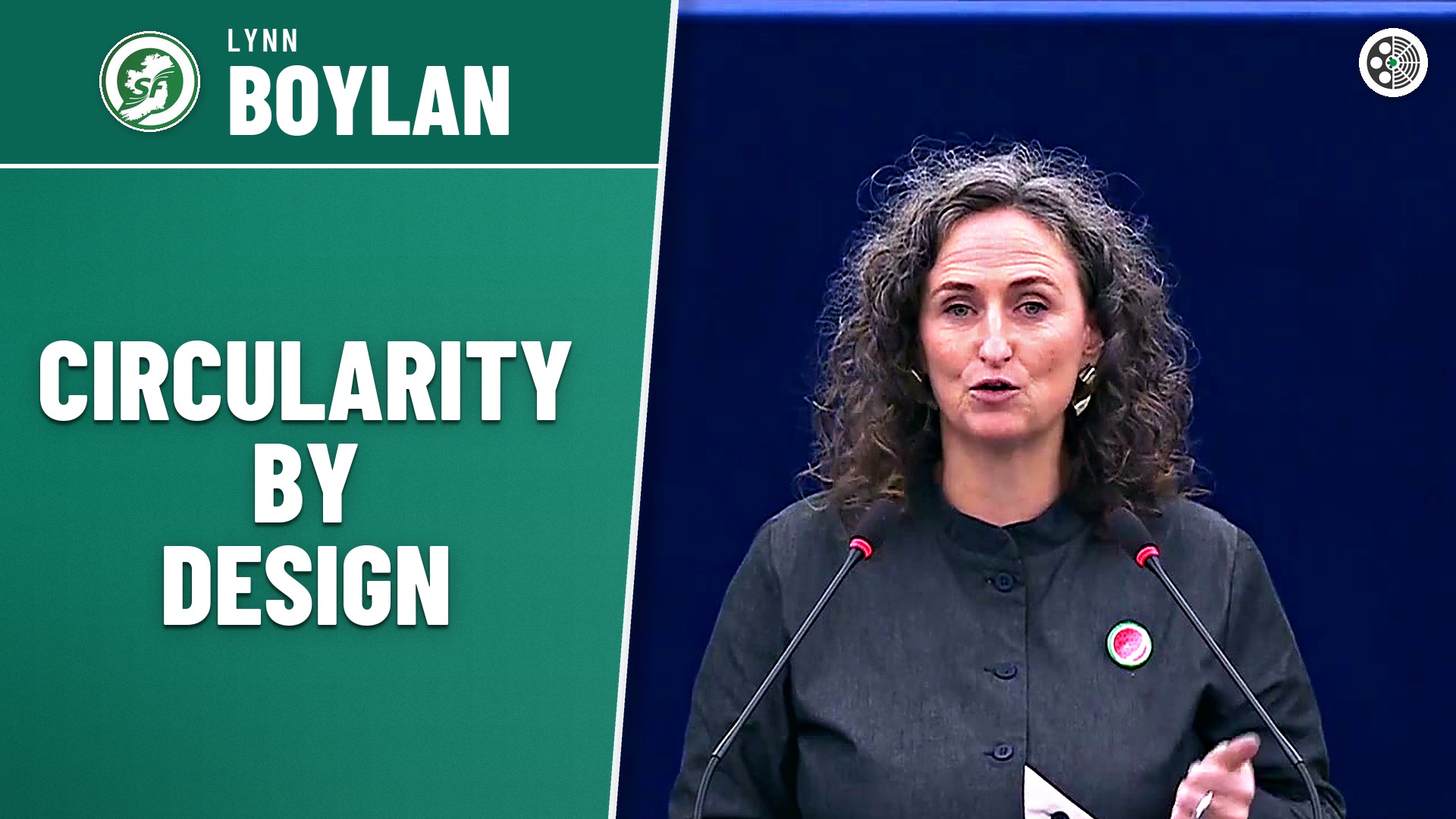
Lynn Boylan
Lynn Boylan sets out three tests for the Circular Economy Act
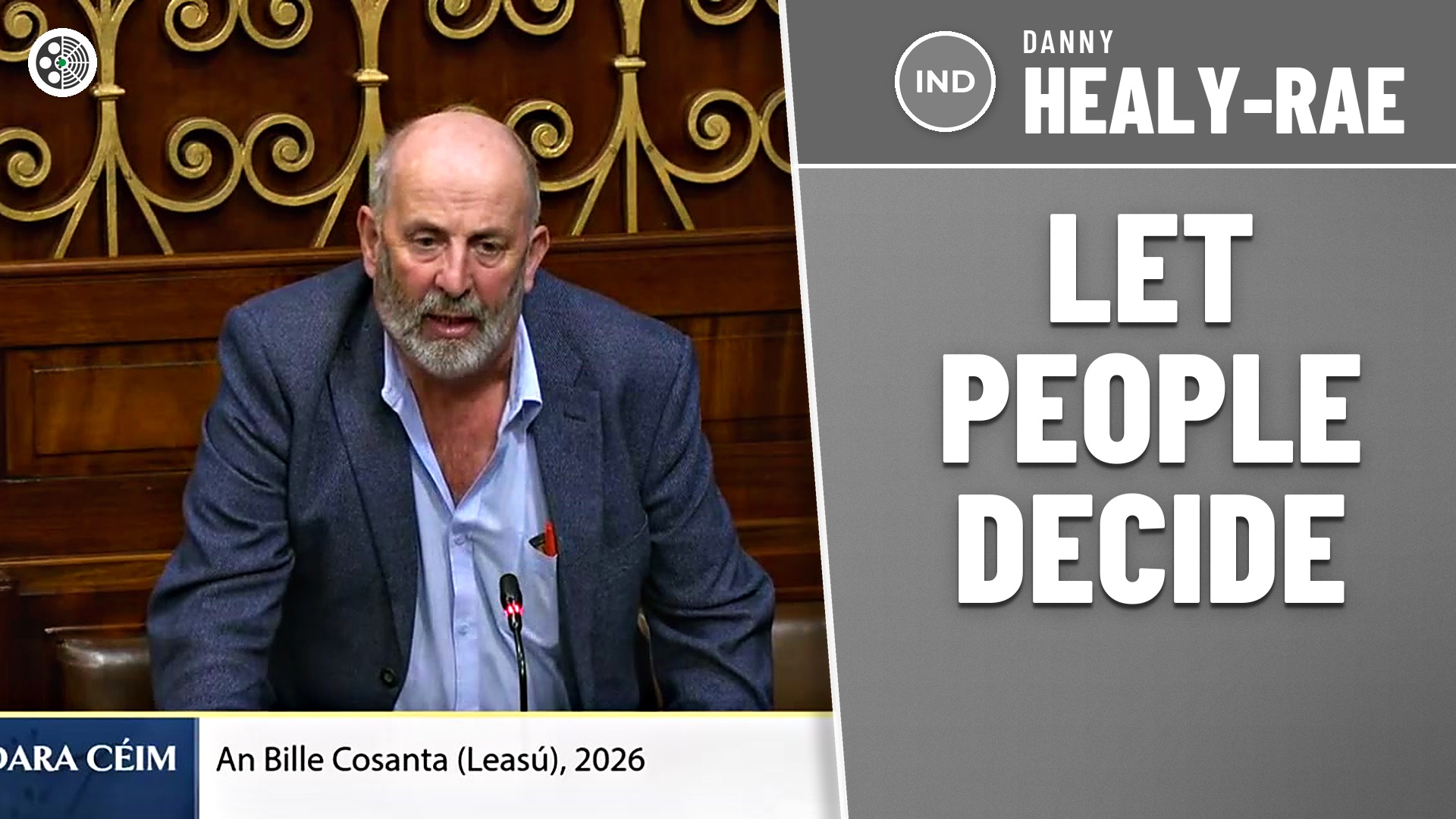
Danny Healy-Rae
Danny Healy-Rae calls for referendum on triple lock
Transcript
You might think, Ministers, that the Triple Lock is not something that the Irish public
are engaged in, but I assure you that they are critically engaged, and the vast majority
are requesting their public representatives to vote against this Bill, and that's why
Sinn Féin will be voting against it. And I do note, Ministers, that every time that
this is talked about in the Triple Lock, there's like an annoyance, a frustration with the
Irish people, that they don't get it, and that they don't, you know, there's an anger
coming from you as to why people would question the Triple Lock, or what they want.
And one wrote, and I think this sums it up really well, our neutrality is a core part
of who we are. For decades, it has allowed our defence forces to do incredible, independent,
peacekeeping and humanitarian work across the world, without being dragged into global
conflicts. Stripping away the requirement of a UN mandate takes away the essential
checks and balances that protect our troops and our independence. Pushing a massive change
through this, like this, through without proper public debate, is completely unacceptable.
If the government truly believes our foreign policy needs to be altered, then they must
put that question directly to the people of Ireland. A decision that alters our national
identity cannot be made by simple dual vote. At the very least, we must have a national
referendum. And I and Sinn Féin completely oppose these attempts to abolish the Triple
Lock. Now, you will say that it has nothing to do with our neutrality, that, you know,
well, then all the Irish people are wrong. So let it be on your own.
As chair of the Defence and National Security Committee, I have a job to do to facilitate
all members on the committee, and I will do that. But I want to be absolutely clear. Protecting
Ireland's neutrality and strengthening our defence forces are not mutually exclusive.
The government would have people believe that the Triple Lock is somehow preventing Ireland
from playing its part internationally, something we need to be ashamed of. This is not the
case. Our personnel can participate in international military training, in undertaking humanitarian
operations of any size, responding to natural disasters and emergencies, and engage in overseas
activities that do not require Triple Lock approval. And they can go on rescue missions
and do all of those things. And you need to – Irish people know that. They're not stupid.
We can strengthen our maritime security. We can protect our undersea infrastructure, improve
our cyber security, invest in air surveillance and enhance our capacity to respond to emerging
threats. We can improve military readiness, modernise equipment, invest in our barracks
and, crucially, address the recruitment and retention crisis that continues to undermine
our defence forces. Not one of those priorities requires the abolition of the Triple Lock.
Ministers, the real obstacle to strengthening our defence forces are decades of underinvestment,
inadequate infrastructure and successive governments' failure to properly support the men and the
women. I have the opportunity today to thank each and every one of those who have served
and continue to serve. The Triple Lock is not responsible for the crumbling barracks
or the personnel shortages. And yet, rather than tackling these challenges, you have chosen
to dismantle an important safeguard of Irish neutrality as your priority.
Let's be honest with the people around the Triple Lock. It ensures that certain overseas
deployments require government approval, Dáil approval and a United Nations mandate.
Its removal would fundamentally change the safeguards governing Ireland's participation
in overseas military operations. It would transfer greater discretion to the government
of the day, weakening an important democratic and international check. This has serious
implications for our neutrality and the Irish people deserve honesty about those implications.
You are acting against their expressed wishes. Minister, I recognise the genuine difficulties
facing the United Nations Security Council. But the answer to a dysfunctional Security
Council is not to abandon the UN framework. The answer is to reform it. And Ireland should
be leading international efforts to reform the Security Council, to challenge the misuse
of the veto, to strengthen accountability and to ensure that international peacekeeping
is not paralysed by geopolitical interests. We should be using our diplomatic influence
to build alliances for meaningful UN reform, not just using its shortcomings as an excuse
to remove safeguards at home. Ireland's military neutrality has given us a distinctive and
respective voice internationally. It allows us to advocate for peace, diplomacy, international
law and conflict resolution, independent of military alliances. That independence is
worth protecting and the Irish people think, the people living on this island, think it's
worth protecting. Minister Sinn Féin will oppose your attempts to abolish the Triple
Lock, invest in our defence forces, reform the United Nations, protect our neutrality.
And if this government insists on fundamentally changing the safeguards underpinning our neutrality,
put it to the people in a referendum. And if you're not brave enough to let the Irish
people have their say, then you should stand aside and let a government that will.