

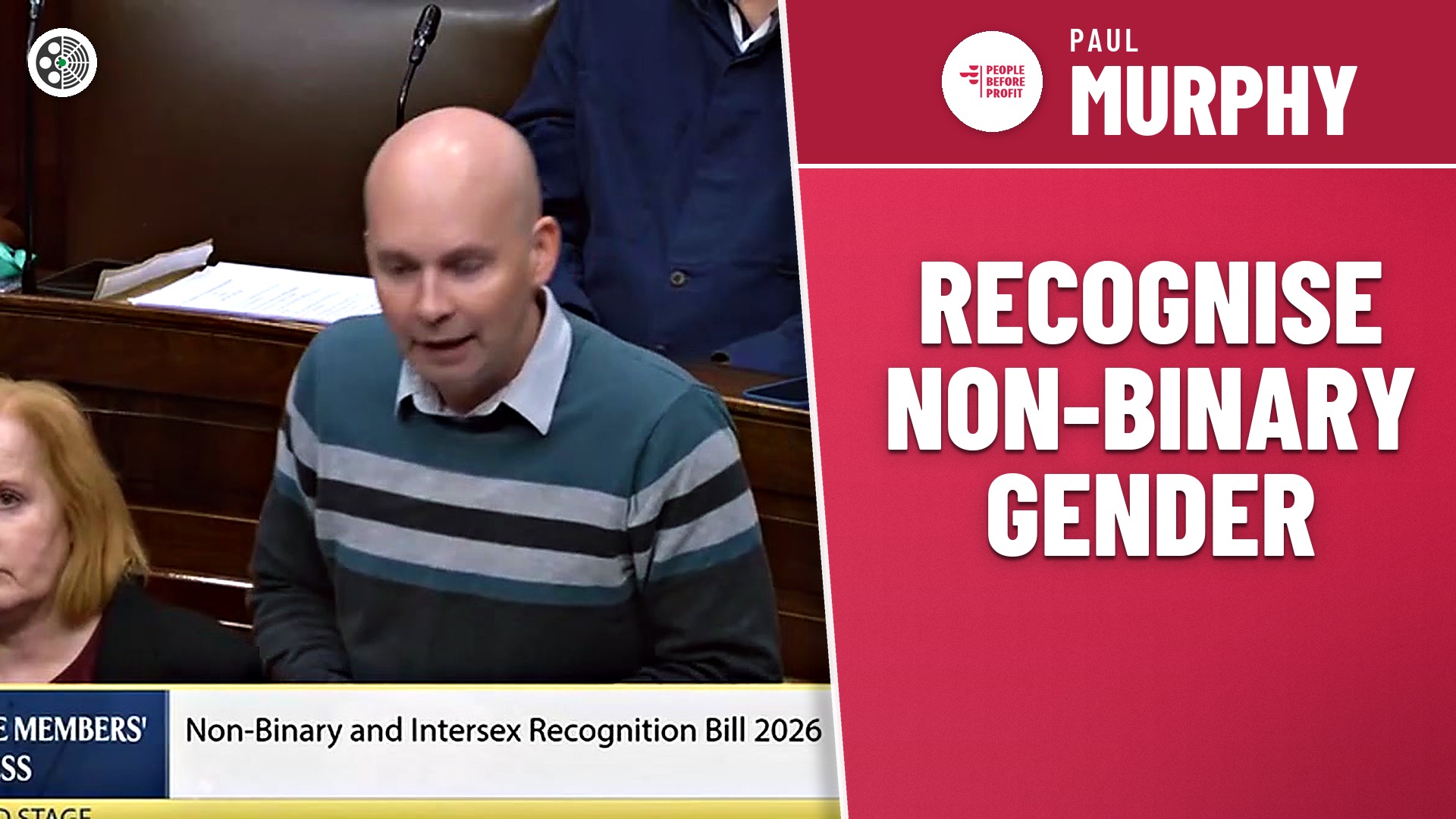


Paul Murphy: Ireland Must Recognise Non-Binary Gender
Paul Murphy urged the Government to support legal gender recognition for non-binary and intersex people during a Dáil debate on a Bill introduced by Ruth Carpenter. He said the Government had left recommendations unimplemented since 2018 and argued that recognition would protect dignity and individual rights.
Murphy said a government review of the Gender Recognition Act recommended legal recognition for non-binary people eight years ago, and that the recommendation was included in the national LGBTQI inclusion strategy. He criticised Fianna Fáil, Fine Gael and right-wing independents, arguing that the Government was prioritising a shift to the right over the rights of intersex and non-binary people.
Murphy explained that intersex people may have chromosomes, hormones or anatomy that differ from what is typically considered male or female. He said intersex people in Ireland had faced mistreatment by the state and medical profession, including unnecessary surgeries without consent. He argued that the Bill could allow intersex adults to have their gender marked as X on official documents, and let parents make that choice for children until they are old enough to decide how they wish to be recognised.
Murphy cited findings from Belong To on depression and suicide attempts among intersex people. He also read from an email describing the discomfort and humiliation a non-binary person experiences when forms, appointments, travel and identification require them to identify in ways that do not reflect who they are.
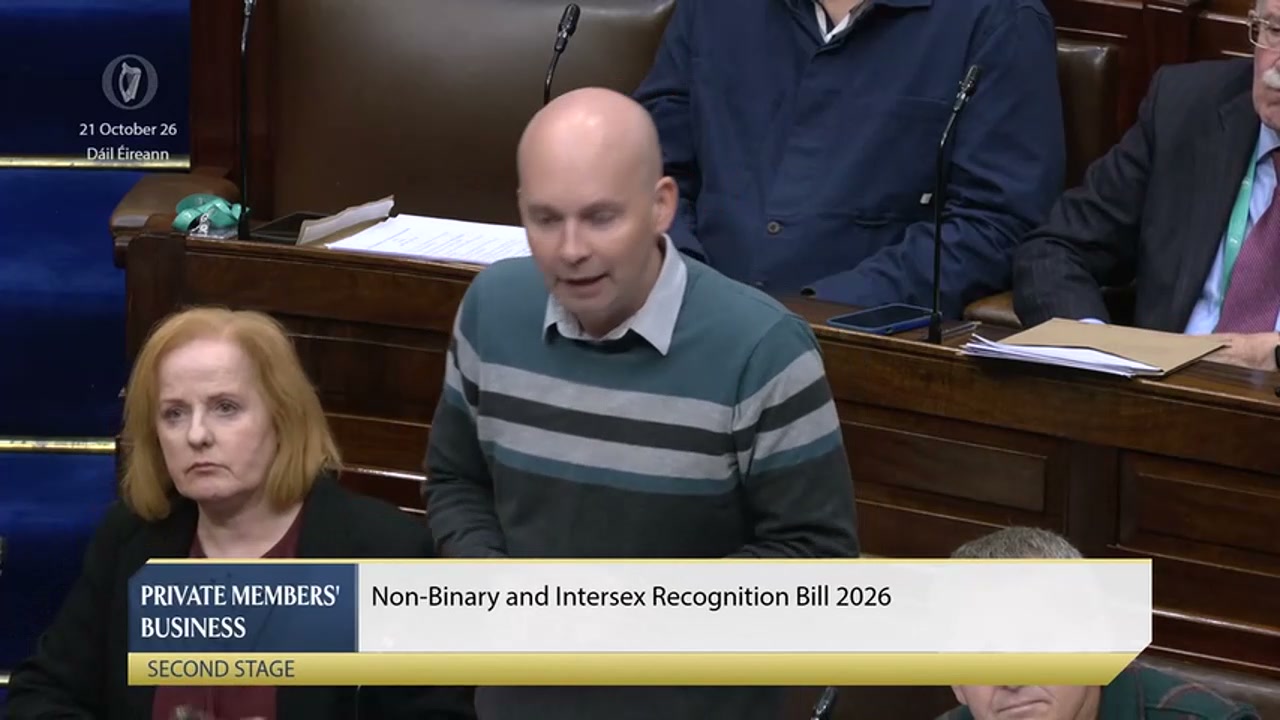
Murphy said legal recognition would be a first step in defending non-binary people from discrimination and hate. He argued that continuing to enforce a gender binary was an intrusive role for the state and called for Ireland to recognise non-binary people.
Government recommendations
Murphy said a government review of the Gender Recognition Act recommended legal recognition for non-binary people eight years ago, and that the recommendation was included in the national LGBTQI inclusion strategy. He criticised Fianna Fáil, Fine Gael and right-wing independents, arguing that the Government was prioritising a shift to the right over the rights of intersex and non-binary people.
Intersex recognition and the Bill
Murphy explained that intersex people may have chromosomes, hormones or anatomy that differ from what is typically considered male or female. He said intersex people in Ireland had faced mistreatment by the state and medical profession, including unnecessary surgeries without consent. He argued that the Bill could allow intersex adults to have their gender marked as X on official documents, and let parents make that choice for children until they are old enough to decide how they wish to be recognised.
Dignity in everyday life
Murphy cited findings from Belong To on depression and suicide attempts among intersex people. He also read from an email describing the discomfort and humiliation a non-binary person experiences when forms, appointments, travel and identification require them to identify in ways that do not reflect who they are.
Rights and the role of the state
Murphy said legal recognition would be a first step in defending non-binary people from discrimination and hate. He argued that continuing to enforce a gender binary was an intrusive role for the state and called for Ireland to recognise non-binary people.
We publish thousands of recordings to make Irish politics transparent and resistant to manipulation. Spotted an error? Report it — together we are building a reliable archive of Irish politics.
Other speeches


Tego samego dnia All speeches from this day →
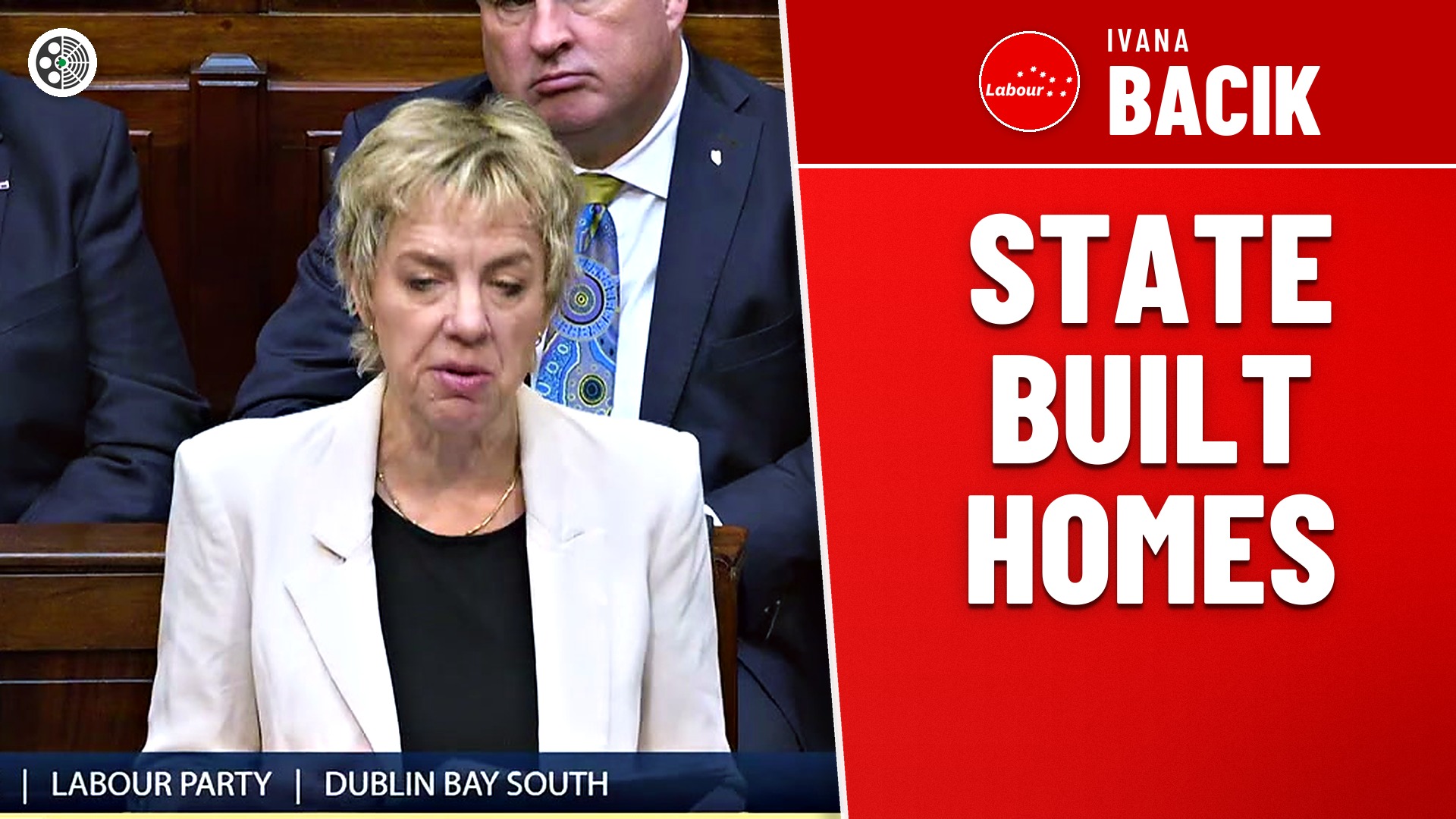
Ivana Bacik
Ivana Bacik: Resource the LDA to build homes at scale
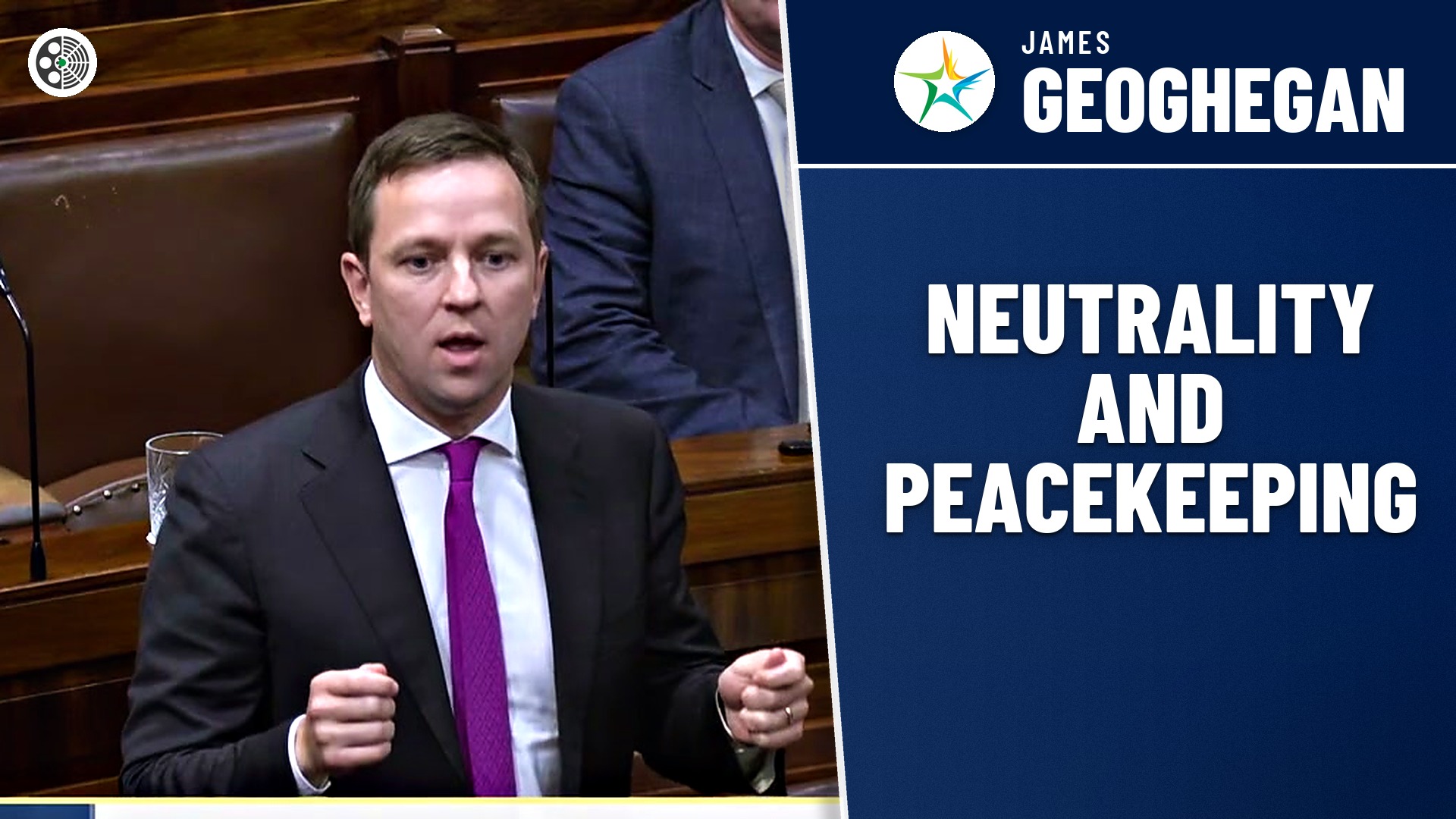
James Geoghegan
James Geoghegan challenges claims on peacekeeping bill
Seán Kelly
Seán Kelly backs expanding Erasmus+ after UK return
Charles Ward
Charles Ward says non-binary rights are a basic human rights issue
Carol Nolan
Carol Nolan opposes Bill to dismantle the Triple Lock
Rose Conway-Walsh
Rose Conway-Walsh: Triple Lock must go to referendum
Transcript
Firstly, thanks a lot to Ruth Carpenter for introducing this Bill and for the campaigners
and organisations who have been forced to fight so hard for their rights to be recognised.
TENI, Intersex Ireland, Trans Healthcare Action, Belong To, Trans Pride, Transgress, Shout
Out.
It's clear that intersex and non-binary recognition has been deliberately ignored by this government
and by the previous one. It is eight years, Minister, since the government's own review
of the Gender Recognition Act recommended legal gender recognition for non-binary people.
It's in your own national LGBTQI inclusion strategy, but nothing has been done and instead
you're going to vote against the implementation of your own recommendations later on today.
Everybody knows why. It's because the political pendulum has swung to the right since 2018
and Fianna Fáil and Fianna Gael and right-wing independents are pandering to it. That's what
you're prioritising over the rights and the lives of intersex and non-binary people.
We know that across the world, violence, hate crimes, discrimination against LGBTQI people
are on the rise. A deliberate strategy of hatred against anyone who is seen as different,
being whipped up by the far right, and it's coming right from the top, from Donald Trump,
from the big tech bros like Elon Musk. And the government is doing nothing to stop it. Instead
of fighting against the tide of hate, it's actually leaning into it. It's going with the flow.
That's why legal gender recognition has stalled since 2018 and it's why trans, non-binary, queer
and intersex people are increasingly under attack.
A lot of people may have never heard of intersex. They may not know what it means. They don't
realise that 1.7% of people globally are born with intersex characteristics which means they're
born with chromosomes, hormones or anatomy that differs from what's regarded as typically male
or female. That's always happened. It's a medically recognised fact. There's tens of
thousands of intersex people living in Ireland right now. A largely invisible minority that
has been mistreated by the state, mistreated by the medical profession, had unnecessary surgeries
performed on them without their consent. This bill cannot right all of those historical wrongs
but it can give hope to intersex adults who wish to be recognised today as non-binary so that they
can choose to have their gender marked as X on official documents. It will allow parents to make
the same decision for their children until they're old enough to know how they want to be recognised
instead of forcing them to assign themselves to be assigned as male or female at birth and
potentially cause them lifelong psychological damage. Belong To has found that 61% of intersex
people suffer from depression and half have attempted suicide. This bill will also allow other
non-binary people to have their gender recognised instead of being forced by the state into a box
that they don't want to and don't fit into. I got a really eloquent email last night from a
of non-recognition. For many people something as simple as filling out a form, booking an
appointment, travelling or showing identification is something that they barely think twice about.
For me these everyday situations can be deeply uncomfortable, distressing and humiliating.
As a non-binary person I am constantly forced to identify myself in ways that do not reflect
who I am. I'm not asking for special treatment. I'm asking for the same dignity, respect and
recognition that other people are able to take for granted. We deserve to be seen, we deserve to
be recognised and we deserve to live our lives without being made to feel ashamed of who we are.
Legal recognition will be the first step in defending non-binary people from the discrimination
and hate they face along with other marginalised groups. Denmark, Germany, Iceland, Malta,
Netherlands, Canada, Costa Rica, Australia, New Zealand, Argentina, Chile, Colombia and 22 US
have already done it. Ireland can and should be next. It is ironic that the loudest, most
vociferous opposition to this bill will come from the right, which prides itself on opposing the
so-called nanny state. It's hard to imagine a more intrusive and interfering, more nannyish role for
the state than policing gender, forcing people who don't fall into a binary category to mark male or
in policing how we understand ourselves, our identities, our gender. Of course it shouldn't.
So insisting that the state continues to police and enforce the gender binary is part of a general
assault on individual freedoms and individual rights. It's time to take a stand against it.