

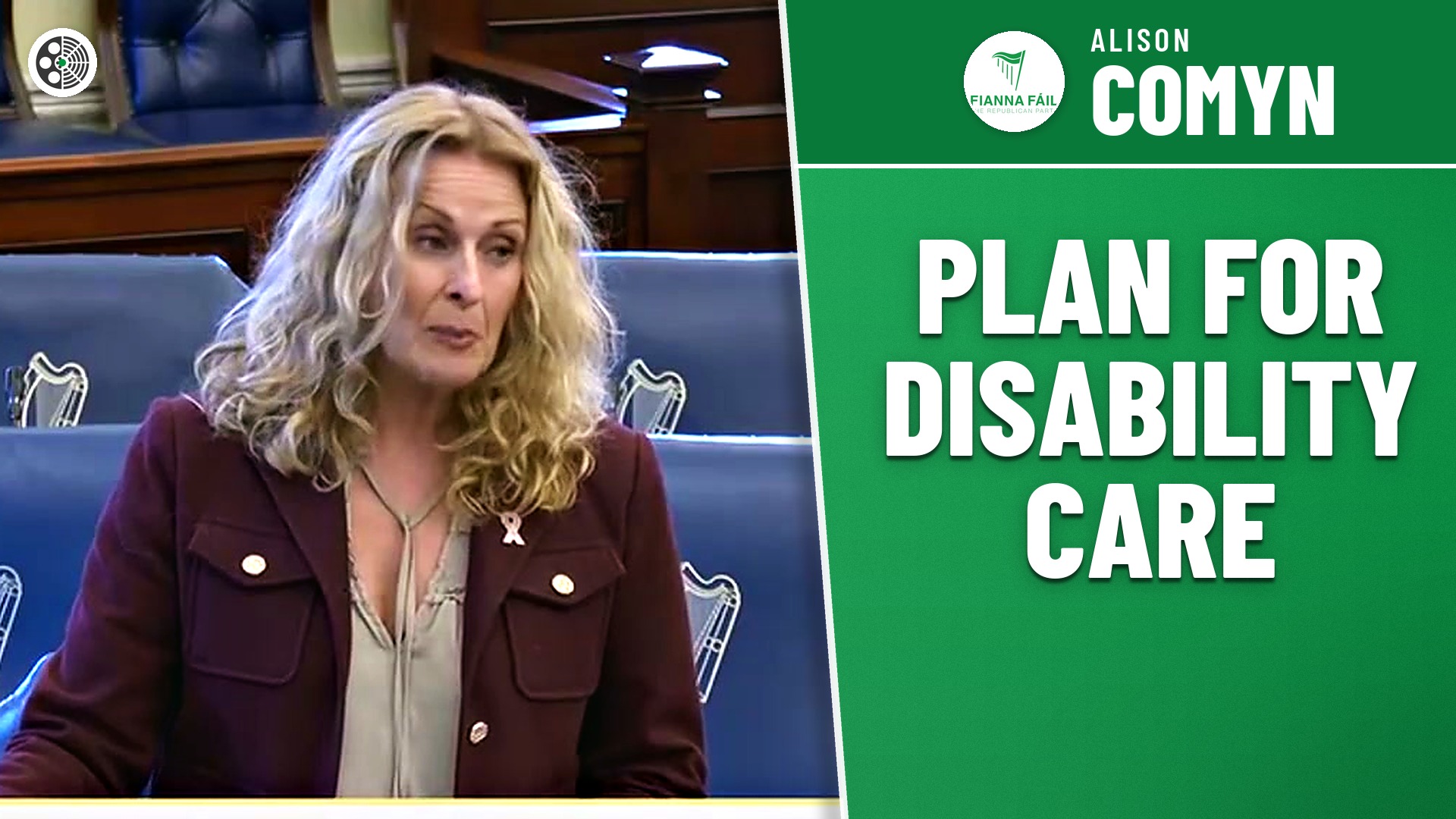


Alison Comyn calls for disability care plans and sporting discounts
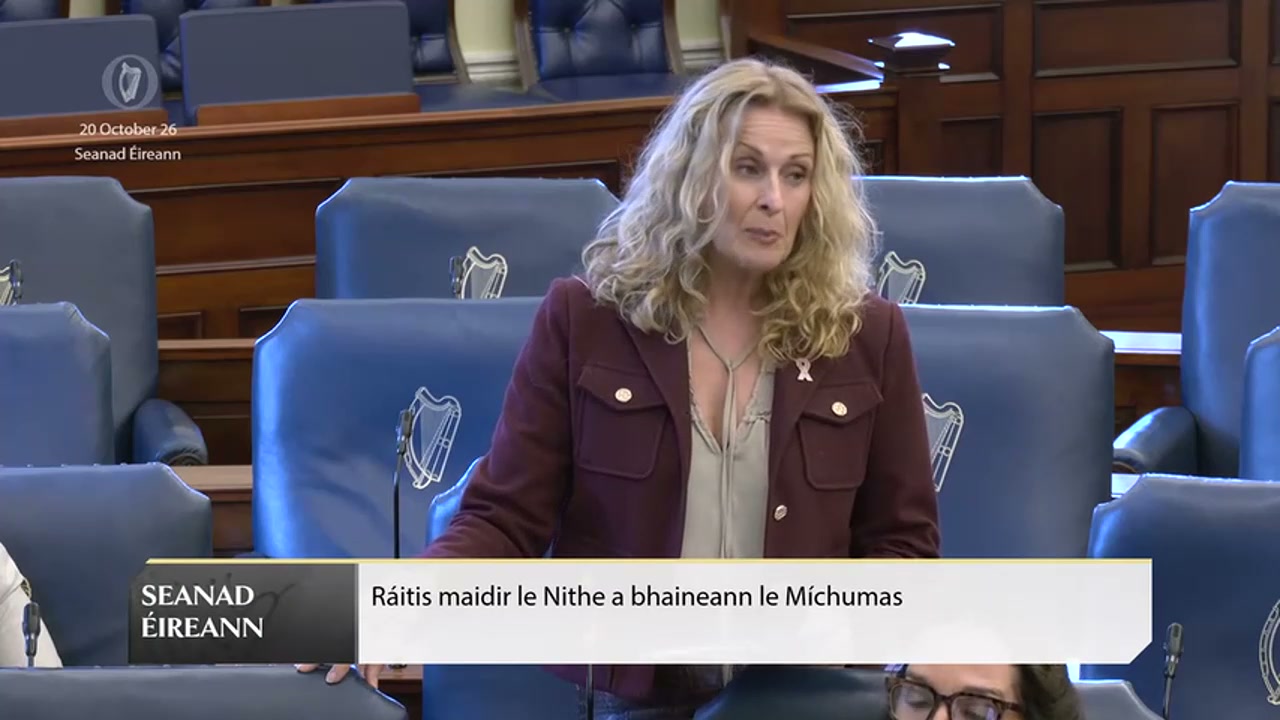
Fianna Fáil Senator Alison Comyn called for better planning of future care and housing for adults with disabilities during a Seanad debate on disability inclusion. She also proposed a nationally recognised disability card offering discounted admission to sporting events and highlighted Changing Places facilities in Drogheda.
Comyn said the National Human Rights Strategy for Disabled People sets commitments across education, employment, independent living, health and transport, and argued that these commitments must result in changes people and their families can experience. She referred to Budget 2027 funding of €4 billion for disability services, a €10 weekly increase in social welfare payments and a new €500 disability support grant. She also noted funding for children’s disability team posts, residential care, day services, home support and personal assistance hours, saying recruitment and delivery would need to follow the funding.
She acknowledged Annette Monaghan, her husband Philip and others who had campaigned for Changing Places facilities. Comyn said a facility had been available at Our Lady of Lourdes Hospital in Drogheda since April, with work due to begin in January on another at Scotch Hall Shopping Centre. She said ordinary accessible toilets do not meet everyone’s needs and that the absence of suitable facilities can cut short or prevent a family outing.
Comyn said the National Human Rights Strategy for Disabled People sets commitments across education, employment, independent living, health and transport, and argued that these commitments must result in changes people and their families can experience. She referred to Budget 2027 funding of €4 billion for disability services, a €10 weekly increase in social welfare payments and a new €500 disability support grant. She also noted funding for children’s disability team posts, residential care, day services, home support and personal assistance hours, saying recruitment and delivery would need to follow the funding.
She acknowledged Annette Monaghan, her husband Philip and others who had campaigned for Changing Places facilities. Comyn said a facility had been available at Our Lady of Lourdes Hospital in Drogheda since April, with work due to begin in January on another at Scotch Hall Shopping Centre. She said ordinary accessible toilets do not meet everyone’s needs and that the absence of suitable facilities can cut short or prevent a family outing.
We publish thousands of recordings to make Irish politics transparent and resistant to manipulation. Spotted an error? Report it — together we are building a reliable archive of Irish politics.
Other speeches
Tego samego dnia All speeches from this day →
Seán Kyne
Seán Kyne backs tax threshold rises and Galway investment
Peadar Tóibín
Peadar Tóibín says Finance Bill ignores real lives
Sarah O'Reilly
Sarah O'Reilly calls for endometriosis awareness campaign
Carol Nolan
Carol Nolan calls for more Gardaí in Offaly
Conor D McGuinness
Conor D McGuinness asks for action on Waterford childcare gaps
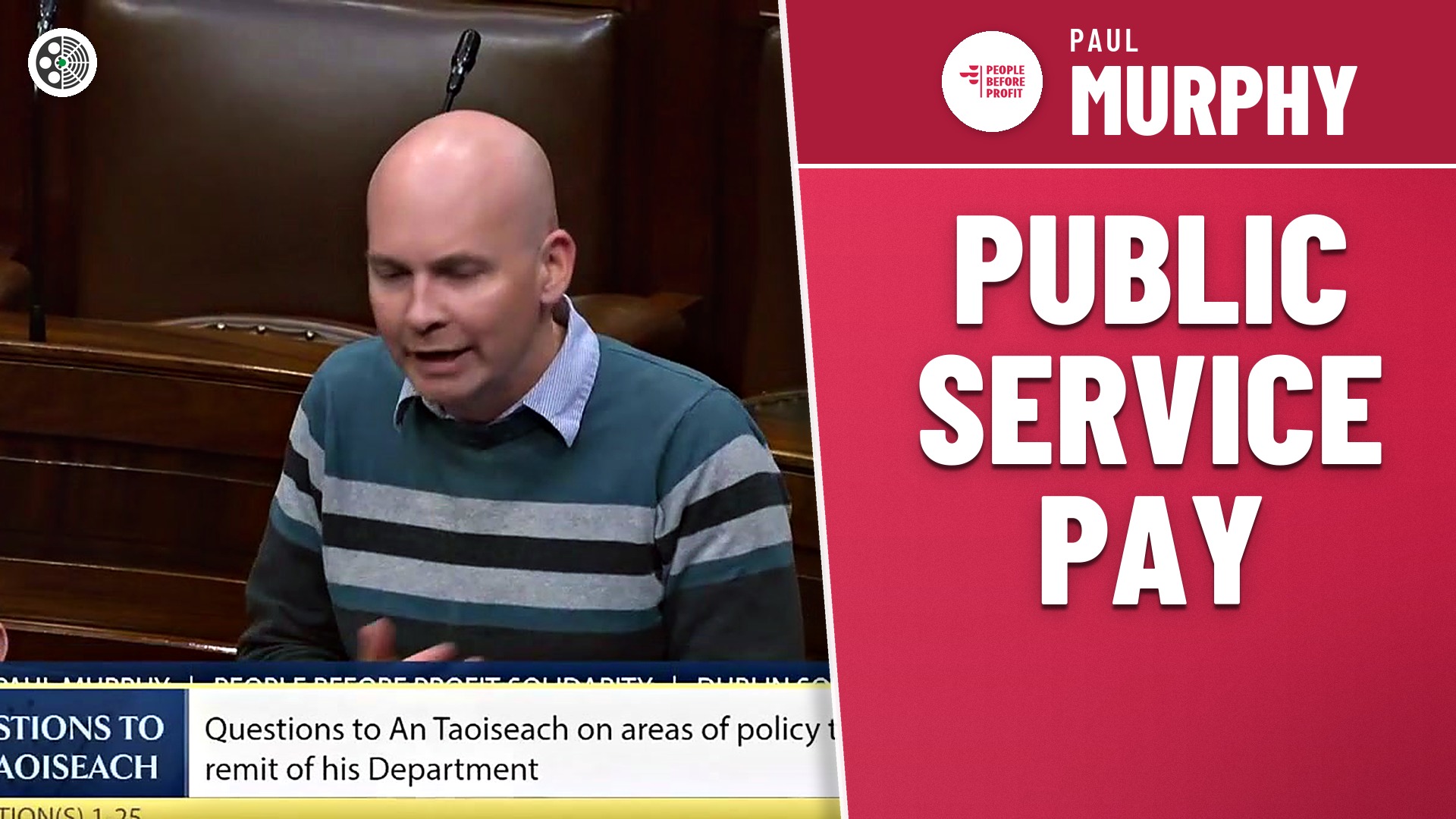
Paul Murphy
Paul Murphy challenges Taoiseach on public service pay
Transcript
Thank you very much indeed Minister for coming in today to talk about this very
very important issue and I'm very glad to talk about statements about a
disability and it's impossible to talk about disability without talking about
inclusion and what that actually means in somebody's everyday life. Can you go
shopping, enjoy an afternoon out or support your football team and can you
look to the future knowing that you'll have a suitable home and the support
that you need. Now as a Fianna Fáil Senator I'm encouraged by the priority
that Taoiseach Micheál Martin has given to disability including establishing as
we've mentioned a dedicated disability unit in his department to drive delivery
and accountability. The National Human Rights Strategy for Disabled People sets
out commitments across education, employment, independent living, health
and transport. Those commitments must translate into changes that people and
their families can feel and benefit from. As was mentioned Budget 2027
providing 4 billion euro for disability services, the 10 euro increase in weekly
social welfare payments and the new 500 euro disability support grant and that
will help address some of the additional costs people do face. There's also
funding for as mentioned the additional children's disability team posts,
residential care, day services and more home support and personal assistance
hours but families waiting for therapies or desperately needing respite will
judge progress by whether that support actually arrives. Recruitment and
delivery must follow that funding. And I'll talk briefly about my own hometown
of Drogheda and highlighting the Changing Places Facility which were
mentioned by my Fianna Fáil colleague there. For anybody who
doesn't know what the Changing Places Facilities are, it's the fact that an
ordinary accessible toilet doesn't meet everybody's needs. Some people require a
Without those facilities a family's day can be cut short or indeed never happen
at all. Drogheda now I'm delighted to say has a
Changing Places Facility at Our Lady of Lourdes Hospital since April of this
year and work is due to begin in January of next year on another at Scotch Hall
Shopping Centre, something that I have long lobbied for and worked with those
who have been pushing this for a long time. And with that in mind I want to
particularly acknowledge the fantastic work of Annette Monaghan and her husband
Philip and others in trying to secure those facilities. She kept pushing for
those practical changes that make a real difference. And her son Jamie Monaghan, a
tremendous Drogheda United supporter, one of their best. That brings me to the cost
of attending the likes of thwarting events. Now as contended by Paul
Crilley who pointed out that students and older people can avail of reduced
admission prices, could we possibly look at similar arrangements for people with
disabilities? So I'd like to explore the possibility of a nationally recognised
disability card allowing those who qualify to receive a reduction of up to
50% on admission to sporting events with provision for an essential companion
where needed. We do know the European disability card is expected in 2028 but
it won't introduce a standard discount. There's an opportunity now to work with
sporting organisations here on a consistent concession theme, making it
more affordable for people to support their team. Now Annette has also raised
something much bigger with me, reflecting the concerns of the Before We Die
campaign. What happens to adults with disabilities when their parents can no
longer care for them? Now she would like the HSE to work with advocacy groups to
identify future care and the accommodation needs and establish a
database so we can plan with these adults and their families. We shouldn't
wait until a parent becomes seriously ill or dies before putting support in
place. That leaves families in crisis already and services scrambling for an
emergency placement and for somebody like Jamie that could mean being placed
miles away from his family, his community and indeed the football club he loves so
much. Those connections could be central to planning his future. We need more
supported homes and residential options for adults with disabilities built into
our housing plans and rooted in their communities. Parents need to know that
there's a plan for the person they love. It shouldn't be landed in the laps of
the state when it is almost too late. Now is the time to plan, now is the time to
pull together that database and know that what we have in future and know
what funding we'll need for that. Adults with disabilities deserve a say in that
plan and the security of knowing they'll have a suitable home and the support