



Brian Stanley asks for leave protections for Civil Defence volunteers
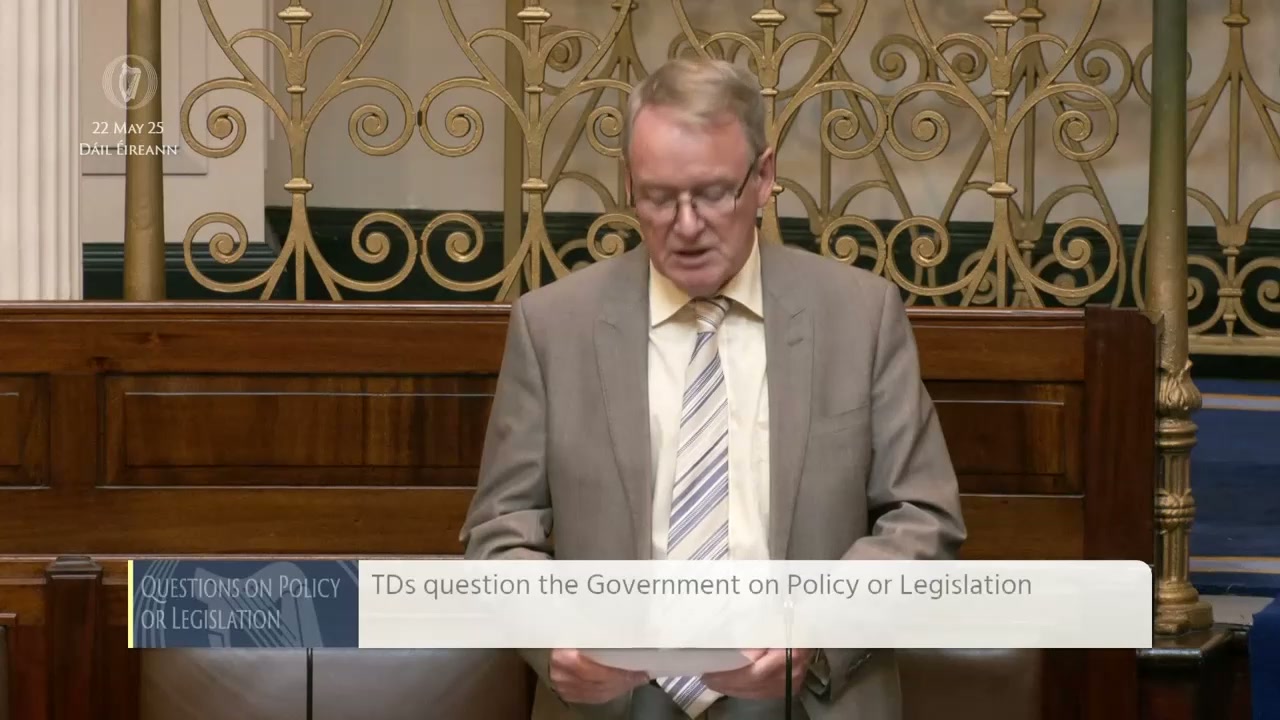
Brian Stanley raised the impact of night-time emergency call-outs on Civil Defence volunteers during a discussion on the service. He asked what protections are available when volunteers must report to their day jobs after attending difficult or traumatic incidents overnight.
Stanley said Civil Defence volunteers can be sent into the most difficult parts of emergencies, sometimes returning home at four or five in the morning before a day’s work. He highlighted the pressures on volunteers with jobs and families, particularly where a small unit has few people available for search and rescue.
The response acknowledged that the issue is a real challenge and said volunteers’ welfare is currently managed locally. The department plans to engage with private industry during a review of the Torts 2030 strategy next year, with the aim of exploring leave arrangements for volunteers responding to duties. No such arrangement is in place at present.
Volunteers are currently expected to manage their own rest and welfare, with guidance that they should avoid responding to an emergency and then working the next day where possible. Critical incident stress management and debriefing services are also available following traumatic events.
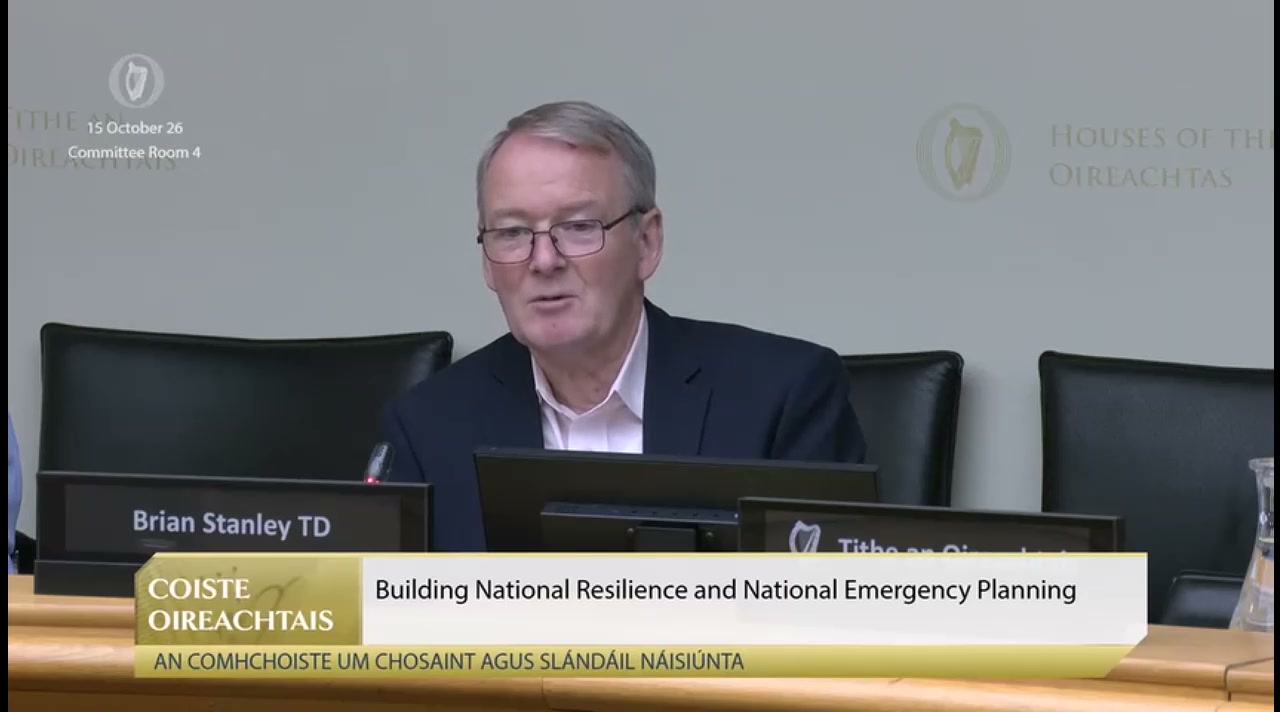
Stanley welcomed improvements to Civil Defence equipment, training and accommodation, including drone equipment and search-and-rescue upskilling. He said support for volunteers’ welfare remains an issue that needs to be addressed.
Night-time call-outs and work
Stanley said Civil Defence volunteers can be sent into the most difficult parts of emergencies, sometimes returning home at four or five in the morning before a day’s work. He highlighted the pressures on volunteers with jobs and families, particularly where a small unit has few people available for search and rescue.
Leave arrangements under consideration
The response acknowledged that the issue is a real challenge and said volunteers’ welfare is currently managed locally. The department plans to engage with private industry during a review of the Torts 2030 strategy next year, with the aim of exploring leave arrangements for volunteers responding to duties. No such arrangement is in place at present.
Welfare and critical incident support
Volunteers are currently expected to manage their own rest and welfare, with guidance that they should avoid responding to an emergency and then working the next day where possible. Critical incident stress management and debriefing services are also available following traumatic events.
Civil Defence modernisation
Stanley welcomed improvements to Civil Defence equipment, training and accommodation, including drone equipment and search-and-rescue upskilling. He said support for volunteers’ welfare remains an issue that needs to be addressed.
We publish thousands of recordings to make Irish politics transparent and resistant to manipulation. Spotted an error? Report it — together we are building a reliable archive of Irish politics.
Other speeches

Tego samego dnia All speeches from this day →
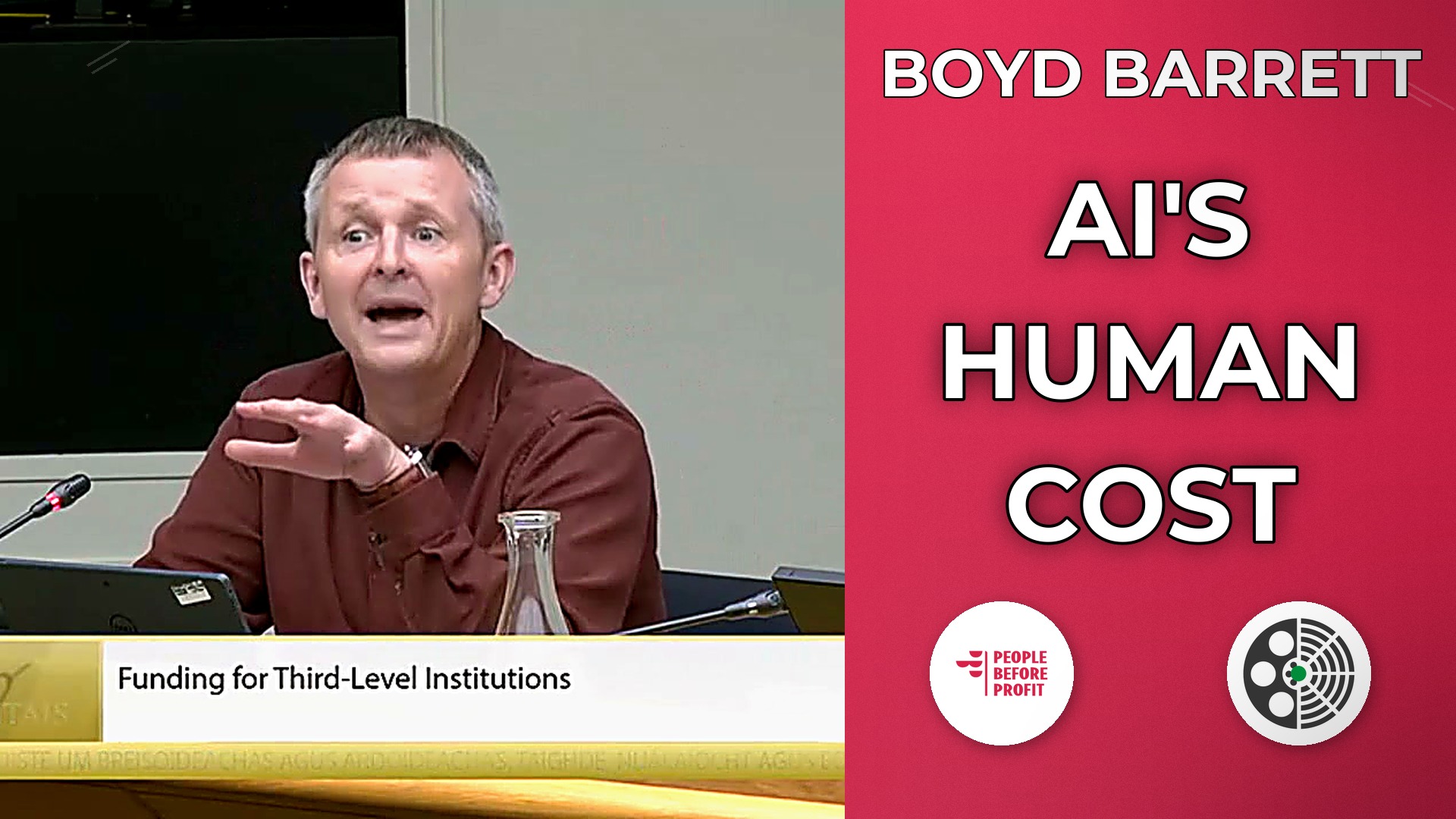
Richard Boyd Barrett
Richard Boyd Barrett Questions AI’s Cost and Impact on Education

Cathy Bennett
Cathy Bennett challenges Irish Water on spending and pay

Victor Boyhan
Victor Boyhan backs more arts officers and funding
Victor Boyhan
Victor Boyhan flags complexity in EU deforestation rules
Jack Chambers
Jack Chambers says public service pay talks should begin without delay
Conor D McGuinness
Conor D McGuinness calls for faster action on town dereliction
Transcript
Just in relation to
in relation to civil defense, you know, just acknowledge the
you know, the modernization of the equipment set up in Powell and
you know, the drone equipment and the search and rescue
upskilling and all of that, and all of the training that's going in. I know that the
leash branch is having to go by, you know, the
you know, the fact that they're now housed in better buildings because they tended to be in all sorts of places.
In fact, in some places they didn't even have
a venue or a premises.
But the question I wanted to ask is in relation to it, and all very welcome, just in relation to the volunteers and
you know, it relies on volunteers and, you know, when you have an emergency, it's the fire,
it's the civil defense, it's the outdoor staff of the councils, you know, that's where it happens down there.
In relation to that,
often we'll say, you know, the volunteers will be called out, they're night-time call-outs, and they can be called out to very
difficult and traumatic situations and tragic situations, and they're, you know, they're the ones that, because of the training,
even if they are injured, they're the ones that are sent in
actually facing the worst part of it first.
That's the simplest way I can put it. But in terms of where they're called out at night, and
you know, they're volunteers and they have daytime jobs,
what's the
provision there? Because some of them will be working in the public sector,
majority of them will be in the private sector, you know, because obviously a higher ratio of people in the private sector.
Some will be retired, you know, and some of them will be maybe, you know, retired out of the defense forces or whatever, and that's fair enough,
you know, but a lot of them have daytime jobs
and families and that. What is the situation
if I am called out at night and I'm working for a private employer or for a public sector,
what do I say to the boss in the morning? I've been out, we'll say maybe till four or five o'clock in the morning.
What happens there, Seb?
Yeah, so, I mean, you're correct.
It is a very real challenge for volunteers, and it is something that is managed locally by the civil defense officers in relation to
the welfare of the volunteers. It is also something that we want to look at from a
department perspective, because we are aware that other countries do have
arrangements with private industry where
civil defense volunteers would have some leave available to them if they are responding to duties.
So as part of our review of Torts 2030, which is our main strategy document,
that is one of the things that we would look to
engage with private industry on when we start the review of that next year,
that there would be some recognition of that volunteer piece and that they would have some leave available to them.
It's not in place at the moment, unfortunately.
So it is, as I say, I mentioned earlier the personal responsibility of the volunteer
that does come into play here. The code of practice is that if you are responding, you have a
responsibility to manage your own welfare and your own rest.
You have a responsibility to manage that yourself, and really I suppose our ask would be that they don't respond and then work the next day
insofar as is possible. In relation to the actual tragic events that you mentioned,
we do have a critical incident stress management
service in place, and in fact all of our civil defense officers are attending that today in Roscray.
So we have
critical incident stress management for managers, for the civil defense officers,
but also a service for our volunteers who may require it, and there is a protocol around
hot debriefings and follow-up debriefings after any exercise, but particularly a tragic event
such as the ones that you mentioned, and they do happen fairly frequently.
But at the moment it is something that needs to be managed by the volunteer themselves.
Just in simple terms, you know, the volunteers can manage so much, but if they come back in at half four in the morning and
they're up for work at half six or quarter to seven, to go to their day job, and they have to be there
however way you try and manage it. And I'm supposing that maybe in a small unit or
where there's not a lot of people, if it's search and rescue, and maybe just a handful of people that's trained in that or
available and willing to go during the night, it can be, the volunteer could be in a tricky position, that's all.
And I acknowledge that, it is a challenge for volunteers.
I just think it's something that needs to be sorted, you know, but look, just to acknowledge the progress that's being made with the civil defense,
I mean, it has been the modernization and it has been good and keep it up, all right?
It is something that we're very aware of, definitely. Thank you.