

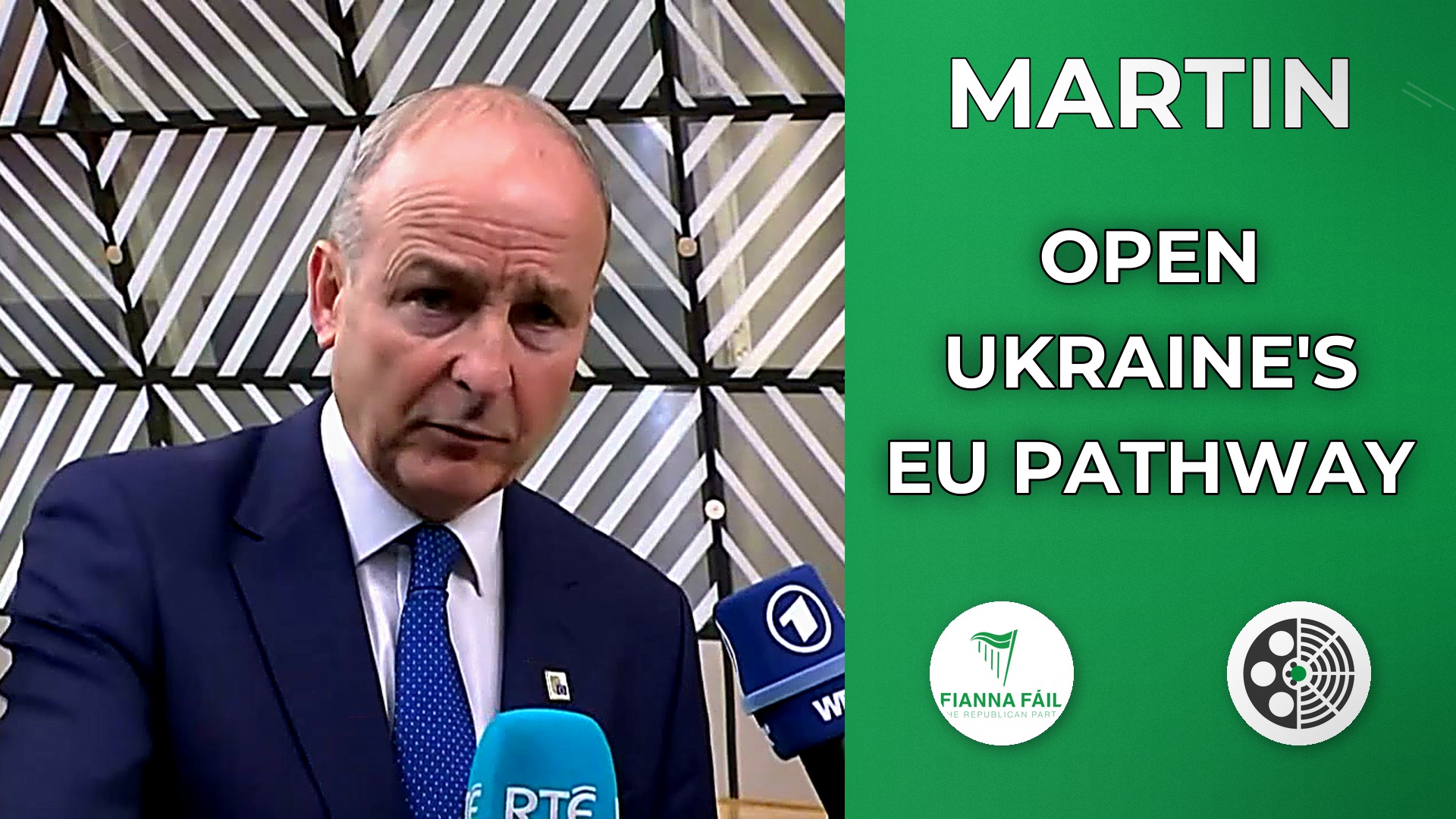


Micheál Martin: Europe Must Advance Ukraine's EU Pathway
Micheál Martin addressed negotiations on the European budget, public service pay and support for Ukraine in remarks to reporters. He called for a negotiated pay agreement and urged Europe to open all clusters in Ukraine’s EU accession process, saying it would send a powerful signal to the Ukrainian people.
Micheál Martin said Ireland would work constructively towards an outcome on the European budget. He argued that a larger budget is needed for Europe to meet its objectives and said protecting the Common Agricultural Policy and cohesion funding is important, while other issues could create room for agreement.
Martin said the Government wants a national pay agreement and has provided €1.2 billion for public service pay. He urged both sides to begin negotiations, pointing to previous agreements as a possible framework and saying the budget provides a platform for talks with public service unions.
Martin acknowledged severe cost-of-living pressures across Ireland, Europe and the wider world, citing conflict, COVID-19 and tariffs. He said the budget included tax cuts, measures to reduce childcare costs and disability-related costs, and continued subsidies. He also linked public service expansion to population and economic growth.
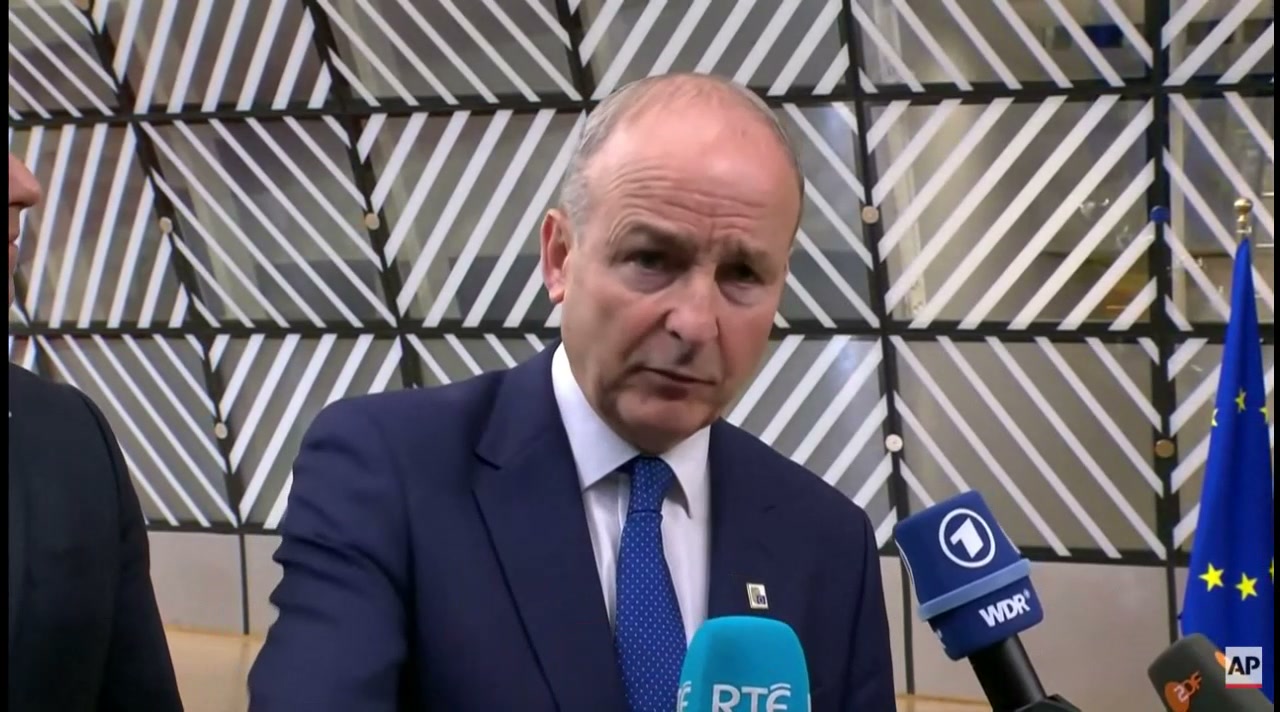
Martin said Europe should continue engaging with the United States and work with partners including Canada and the United Kingdom on Ukraine. He called for Europe to recommit to opening all clusters in Ukraine’s EU application, describing accession progress as a practical way to demonstrate support amid Russia’s attacks.
European budget negotiations
Micheál Martin said Ireland would work constructively towards an outcome on the European budget. He argued that a larger budget is needed for Europe to meet its objectives and said protecting the Common Agricultural Policy and cohesion funding is important, while other issues could create room for agreement.
Public service pay talks
Martin said the Government wants a national pay agreement and has provided €1.2 billion for public service pay. He urged both sides to begin negotiations, pointing to previous agreements as a possible framework and saying the budget provides a platform for talks with public service unions.
Cost of living and public services
Martin acknowledged severe cost-of-living pressures across Ireland, Europe and the wider world, citing conflict, COVID-19 and tariffs. He said the budget included tax cuts, measures to reduce childcare costs and disability-related costs, and continued subsidies. He also linked public service expansion to population and economic growth.
Ukraine and European support
Martin said Europe should continue engaging with the United States and work with partners including Canada and the United Kingdom on Ukraine. He called for Europe to recommit to opening all clusters in Ukraine’s EU application, describing accession progress as a practical way to demonstrate support amid Russia’s attacks.
We publish thousands of recordings to make Irish politics transparent and resistant to manipulation. Spotted an error? Report it — together we are building a reliable archive of Irish politics.
Other speeches



Tego samego dnia All speeches from this day →
Rose Conway-Walsh
Rose Conway-Walsh backs Kathleen Lynn hospital name
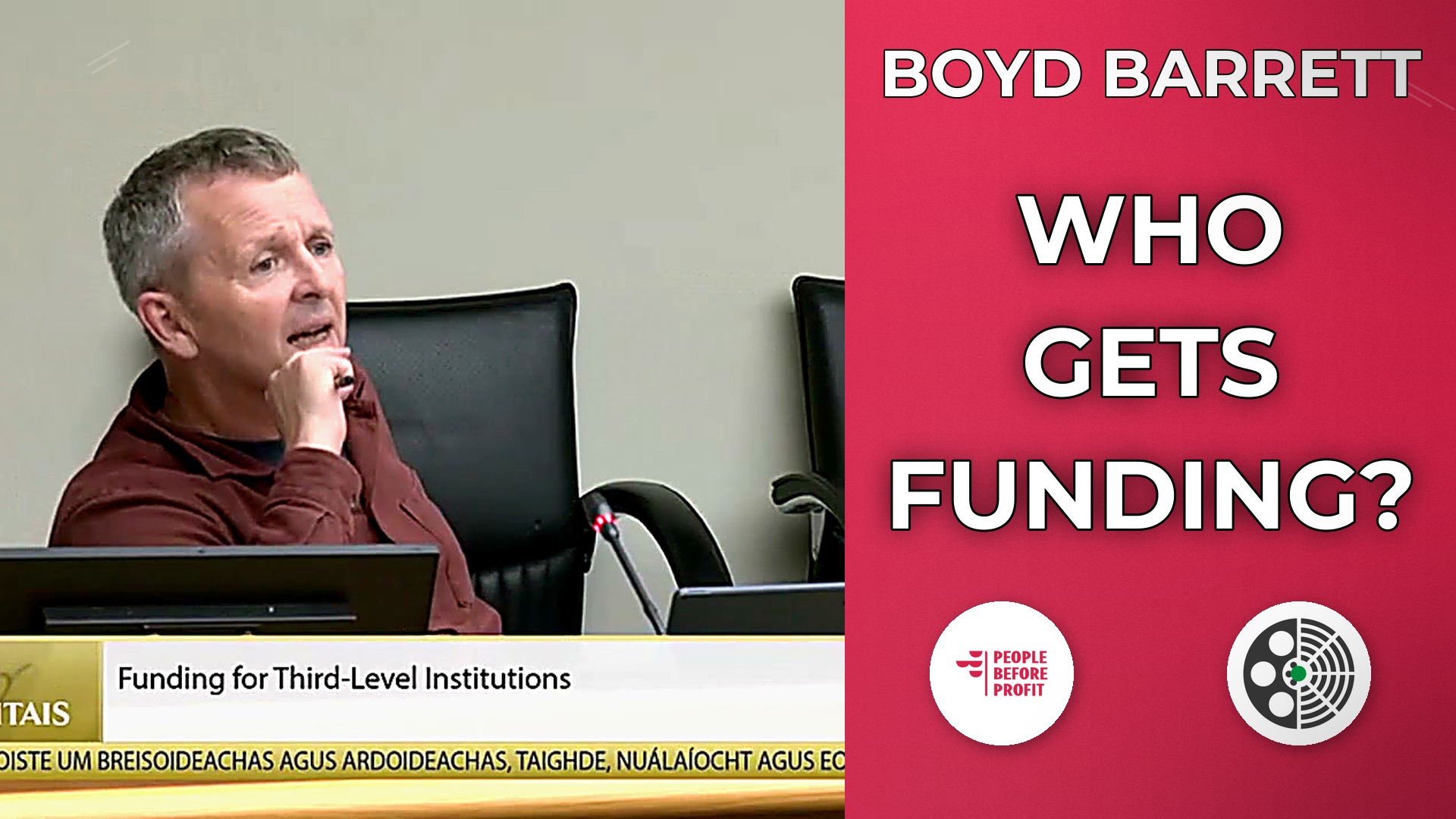
Richard Boyd Barrett
Richard Boyd Barrett challenges priorities in higher education funding
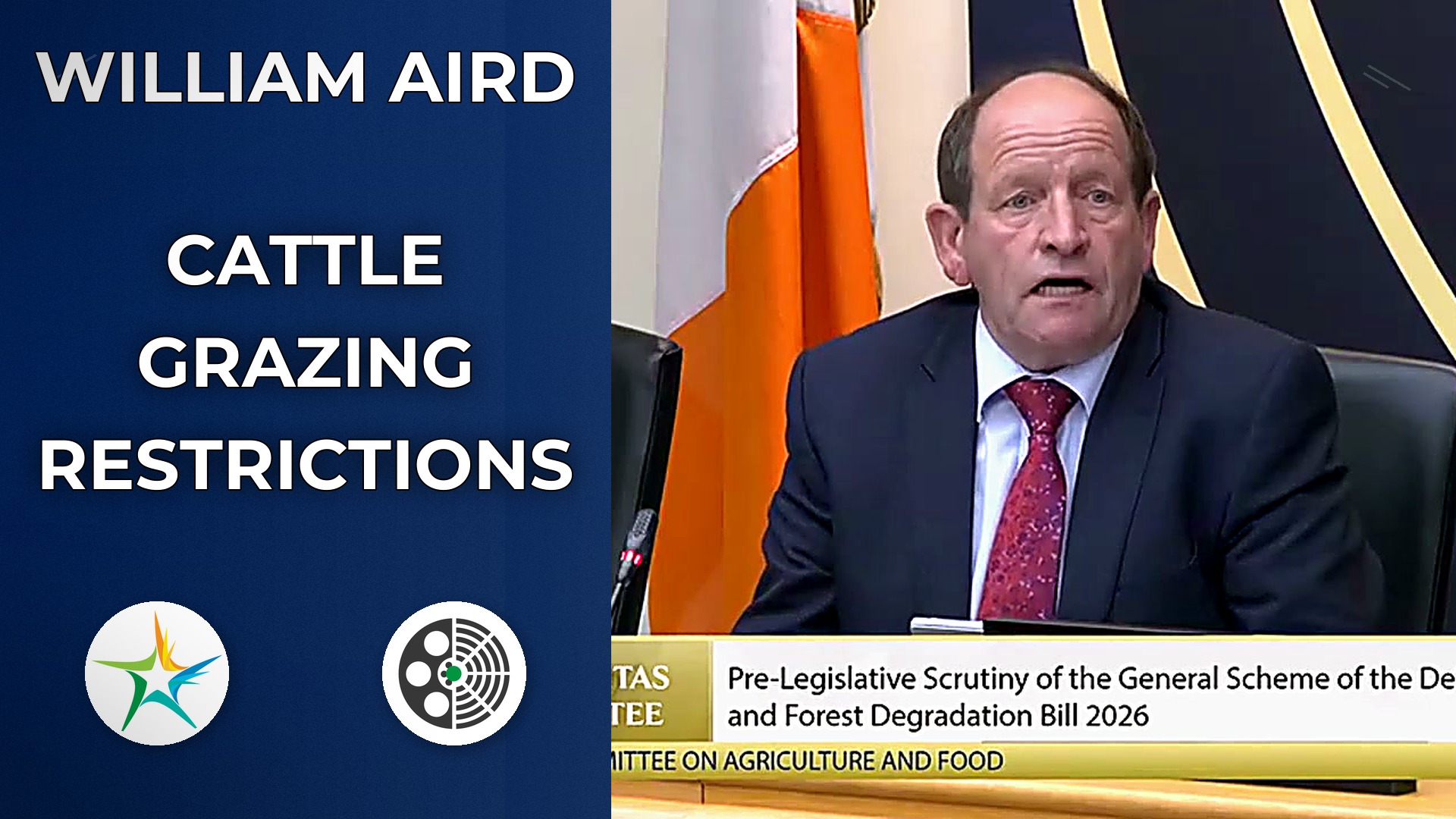
William Aird
William Aird Challenges Farmers’ Restrictions in EU Regulation Debate
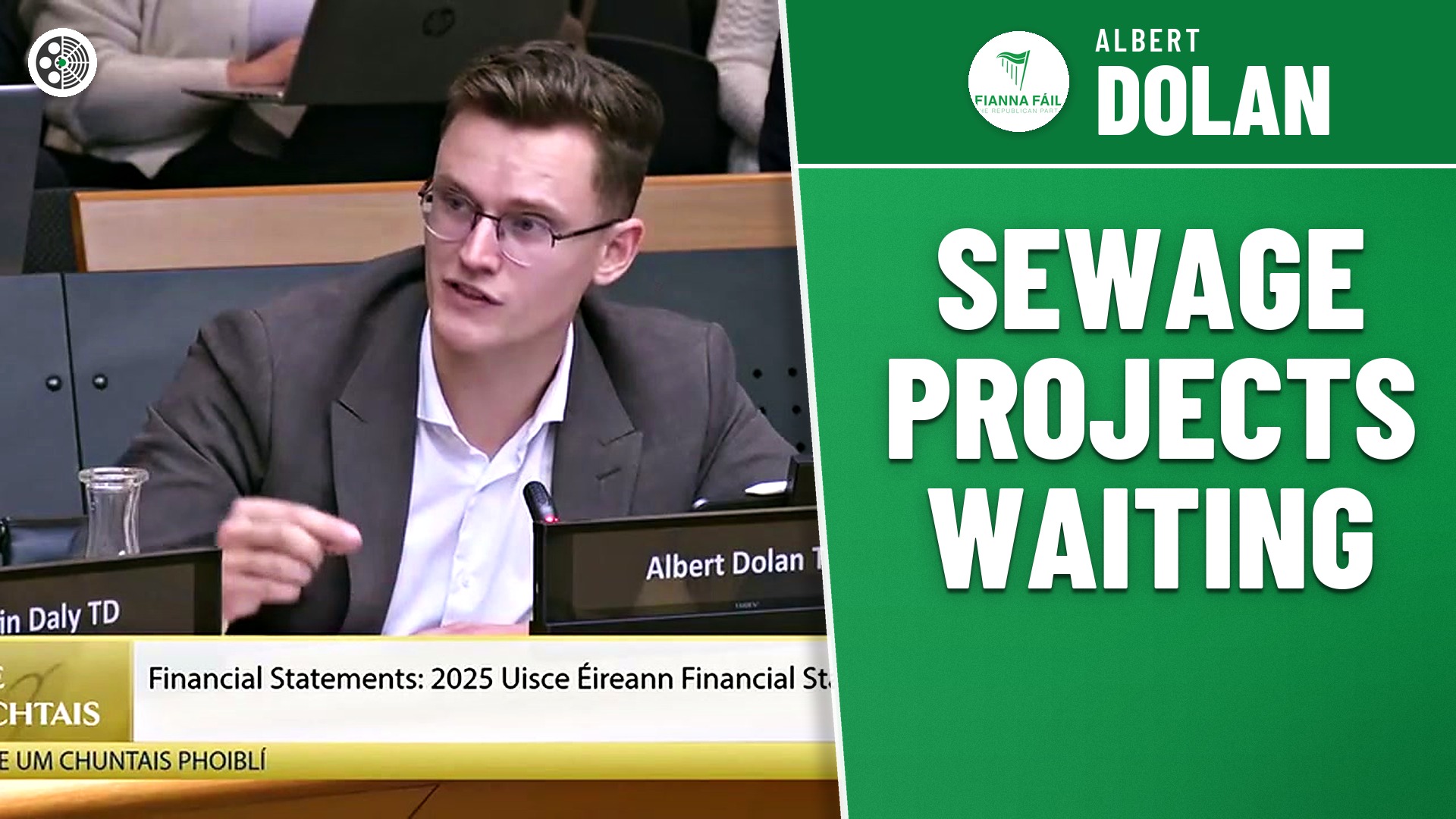
Albert Dolan
Albert Dolan questions Uisce Éireann on spending and delays
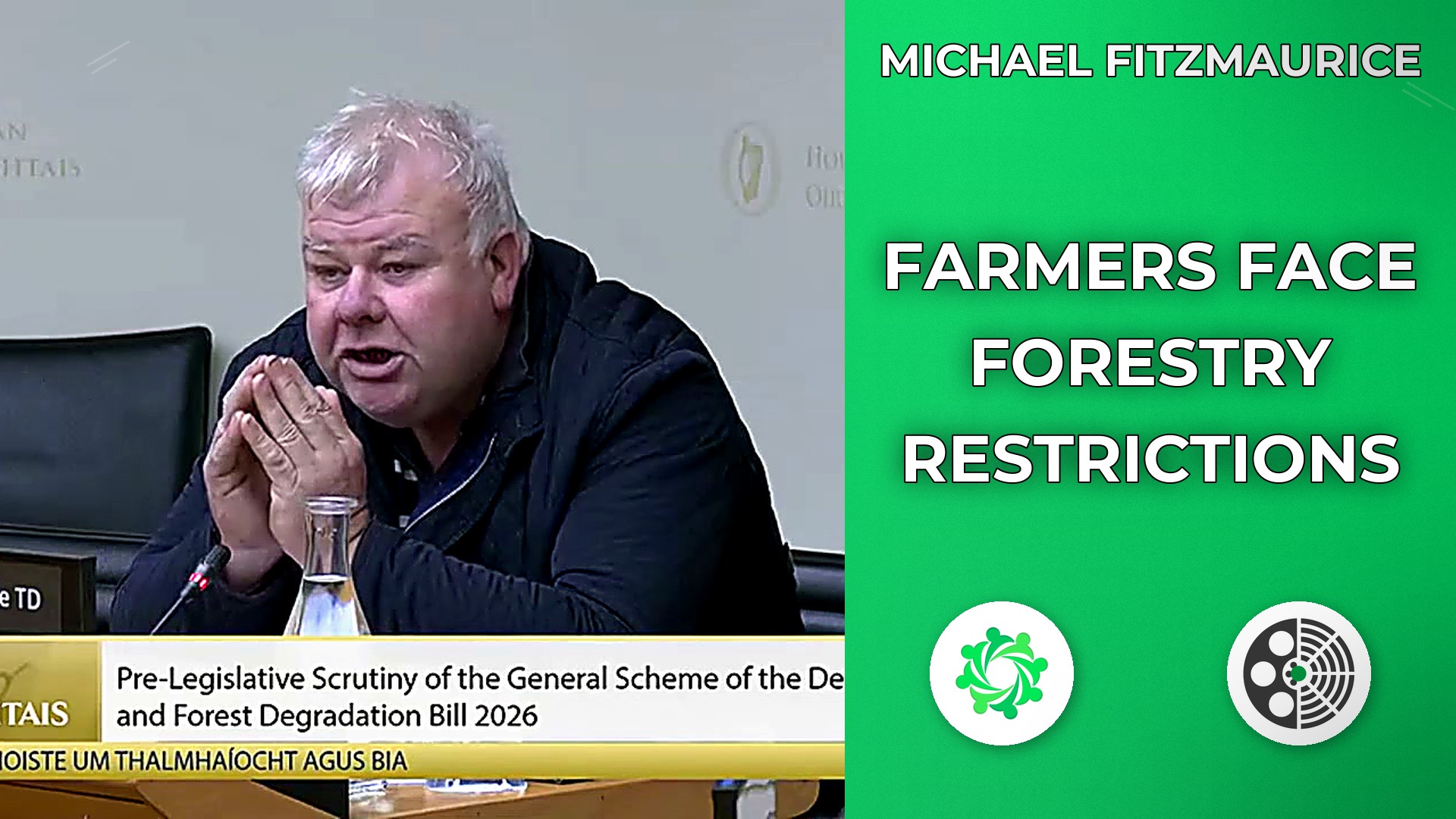
Michael Fitzmaurice
Michael Fitzmaurice challenges EU forestry regulation
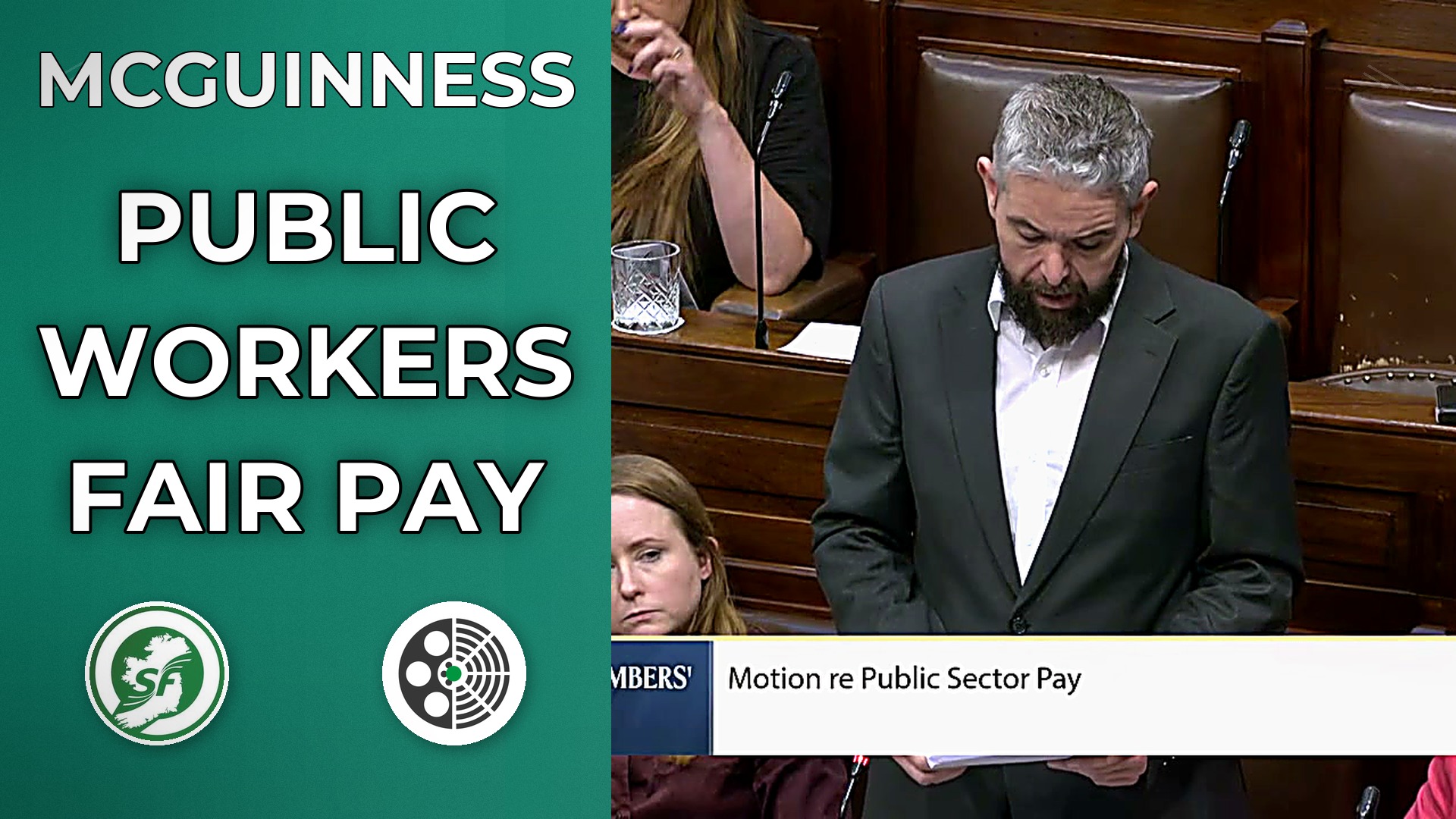
Conor D McGuinness
Conor D McGuinness: Public Sector Workers Deserve Fair Pay
Transcript
The function of the negobox was to be a catalyst to get negotiations going in earnest.
That will happen.
You're going into the room now, and you're going to have to go on the broker, and you
head into the room there, and it's a bit of a puzzle now.
What's the room going to work as a position on a further cuts to the budget, cuts in competitiveness,
cuts in capital, from the position it's at now?
Well again, look, we had the presidency, so we're going to be constructive players in
respect of getting an outcome to this.
I mean, my view all along has been a larger budget is required for Europe to attain its
objectives, even though we're net contributors.
We benefit from the market, from the single market, and so on.
But that said, this budget, even as it is after the work we've done, is still higher
than the outgoing budget.
So we will contribute in a positive way.
It's very clear to us from our consultations that people want to protect cap and cohesion.
But there are other issues that will come onto the table as well, and that may give
more latitude by the time this is all over.
So there's a lot to play for.
I have to stress that.
A lot to play for in terms of how this ends.
Do you believe there's anything to date?
Is that 1.2 billion euro that's started?
Well, look, in the outset, as I said yesterday, we believe in a negotiated pathway to resolve
this issue.
We want a national pay agreement.
We have provided substantial funding for that.
We want negotiations to commence in respect of that.
Previous agreements were over two and a half years, three years in the past.
So there's a framework there that we can create.
I think the most important thing now is for both sides to get into a negotiating process.
I mean, this government is pro-public service.
Even in this budget, we've allowed for the expansion of the number of public servants.
If you look back over the last five years, there's been a very significant expansion
across the public service.
And that's important because we have a growing population.
We have a growing economy.
And that puts strains on public services and pressures on public services.
And we acknowledge fully the backdrop of a very severe cost of living pressures, which
is not unique to Ireland.
It's across Europe and the world because of conflict and war.
We've had COVID now.
We've had the war in Ukraine.
We've had tariffs.
And now we have the war in the Middle East.
All of that is affecting the cost of living.
And we acknowledge that.
We know that.
And that's why the budget brought in tax cuts, brought in measures to reduce childcare costs
and measures also to reduce the cost of disability to the new cost of disability payments.
So we made efforts in the budget to try and deal with that cost of living issue.
And also the exercise duties being deferred out.
So the subsidies we provided continue.
And then we provided 1.2 billion for public service pay.
So you take all that together.
In my view, there clearly is a platform for negotiations with the public service unions.
And I hope that the behind-the-scenes work that's going on in terms of finding a proper
process will materialise in a negotiating process that will yield an outcome that will
be beneficial to public servants into the years ahead.
Sorry?
Look, I'm not going to get into any...
Negotiations should be allowed to commence.
Is Europe alone now when it comes to Ukraine?
No, Europe is not alone.
And I think what we've witnessed in recent times is there's been a gravitation towards
Europe too by many countries.
Canada, even the United Kingdom is working solidly with the European Union in respect
of Ukraine.
And also we know, look, we've got to stand back too and re-engage.
We have to continue our engagement with the United States because we've had moments in
the past when there were challenges and difficulties in respect of this.
And it was retrieved by good outreach and engagement from Europe with the US.
And I have no doubt that will continue.
And I believe we...
But we also need to do what we can do.
And the most fundamental thing we can do in Europe now is to recommit to opening all clusters
in respect of Ukraine's application.
That would send a powerful signal to the people of Ukraine that Europe is really progressing
its pathway to accession.
But doesn't it help that they're being under attack by Russia every night?
Of course, it's appalling and it's horrific and it illustrates that Putin is not interested
in peace.
That's why we must manifest our support for Ukraine in the practical ways that we can.
And certainly the membership agenda is one of those.
Thank you very much indeed.
Thank you very much.
Thank you.