

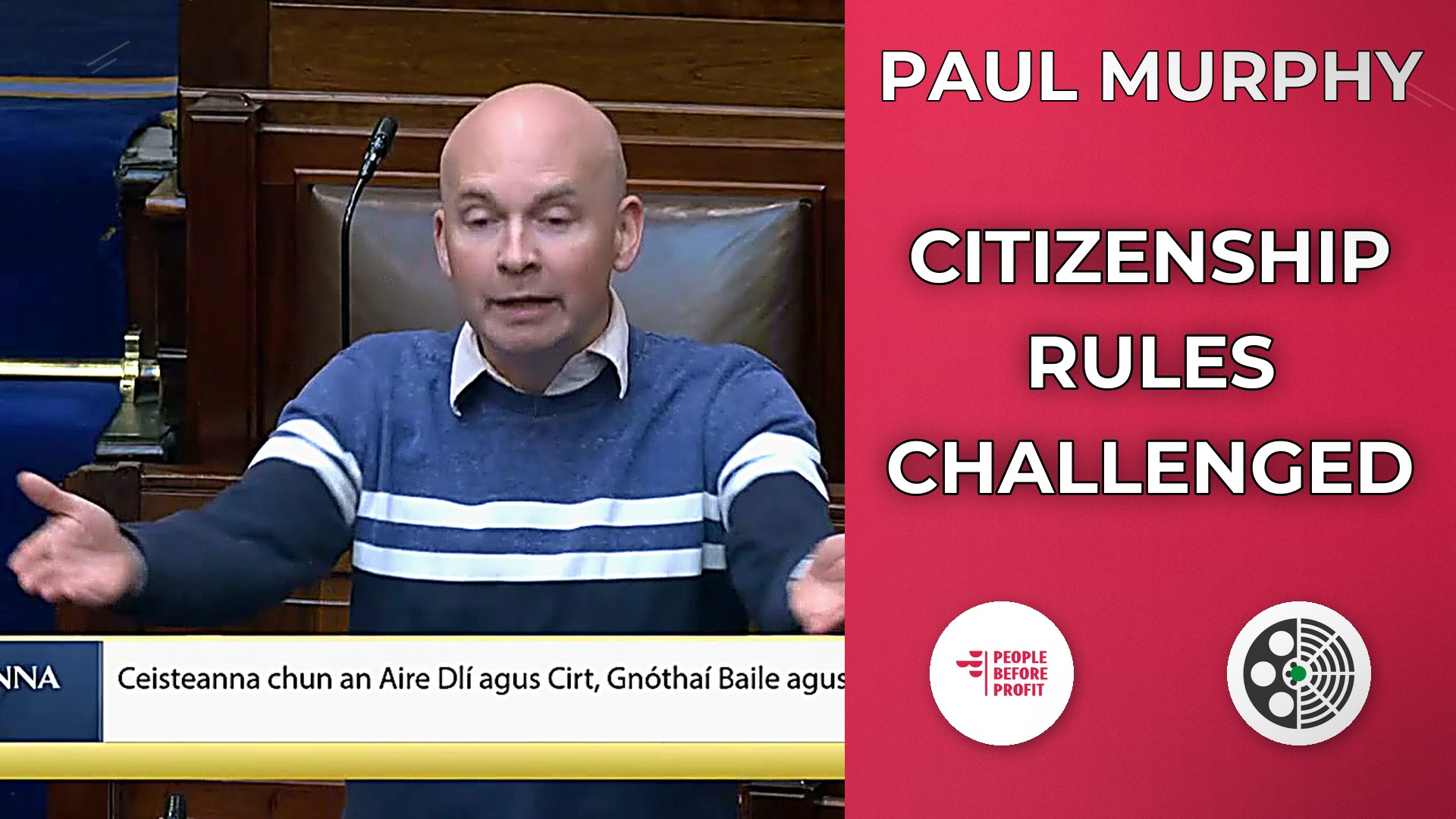


Paul Murphy challenges proposed citizenship rule changes
Paul Murphy criticised the proposed citizenship rule changes during an Oireachtas debate, arguing they would make it harder for migrant workers to become Irish citizens. He questioned what problem the changes address and raised concerns about their impact on low-paid workers and people staffing the health service.
Murphy called on the Government to withdraw what he described as a divisive proposal. He argued that migrant workers contribute to Irish society and the health service, and said the changes would move the goalposts for people seeking citizenship.
The Minister said the General Scheme of the Irish Nationality and Citizenship Bill 2026 aims to strengthen the connection required for citizenship. Proposed measures include a civics element, language competency and a review of the residency period. The Minister said the changes would not affect a person’s entitlement to live, work or study in Ireland under their immigration status.
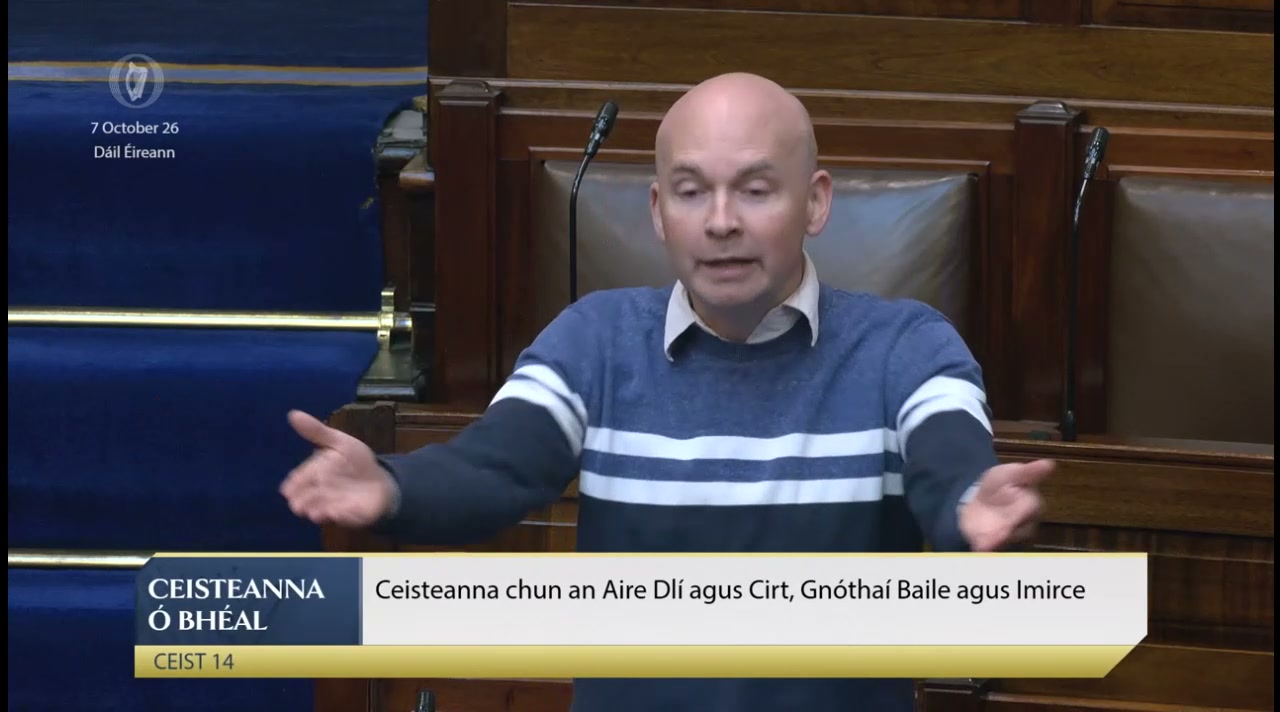
Murphy challenged the case for making citizenship harder to obtain, asking why low-paid workers should have less of a right to citizenship. He also questioned whether the proposed residency and other requirements would be more restrictive than those in other countries.
The legislation is expected to undergo a process of engagement through the Houses of the Oireachtas. Watch the recording to hear the full contribution.
Citizenship rules under scrutiny
Murphy called on the Government to withdraw what he described as a divisive proposal. He argued that migrant workers contribute to Irish society and the health service, and said the changes would move the goalposts for people seeking citizenship.
Government’s case for reform
The Minister said the General Scheme of the Irish Nationality and Citizenship Bill 2026 aims to strengthen the connection required for citizenship. Proposed measures include a civics element, language competency and a review of the residency period. The Minister said the changes would not affect a person’s entitlement to live, work or study in Ireland under their immigration status.
Concerns about low-paid workers
Murphy challenged the case for making citizenship harder to obtain, asking why low-paid workers should have less of a right to citizenship. He also questioned whether the proposed residency and other requirements would be more restrictive than those in other countries.
The legislation is expected to undergo a process of engagement through the Houses of the Oireachtas. Watch the recording to hear the full contribution.
We publish thousands of recordings to make Irish politics transparent and resistant to manipulation. Spotted an error? Report it — together we are building a reliable archive of Irish politics.
Other speeches
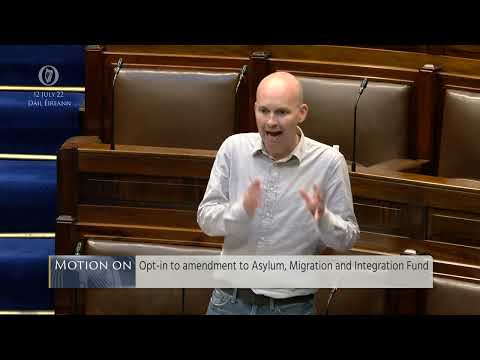
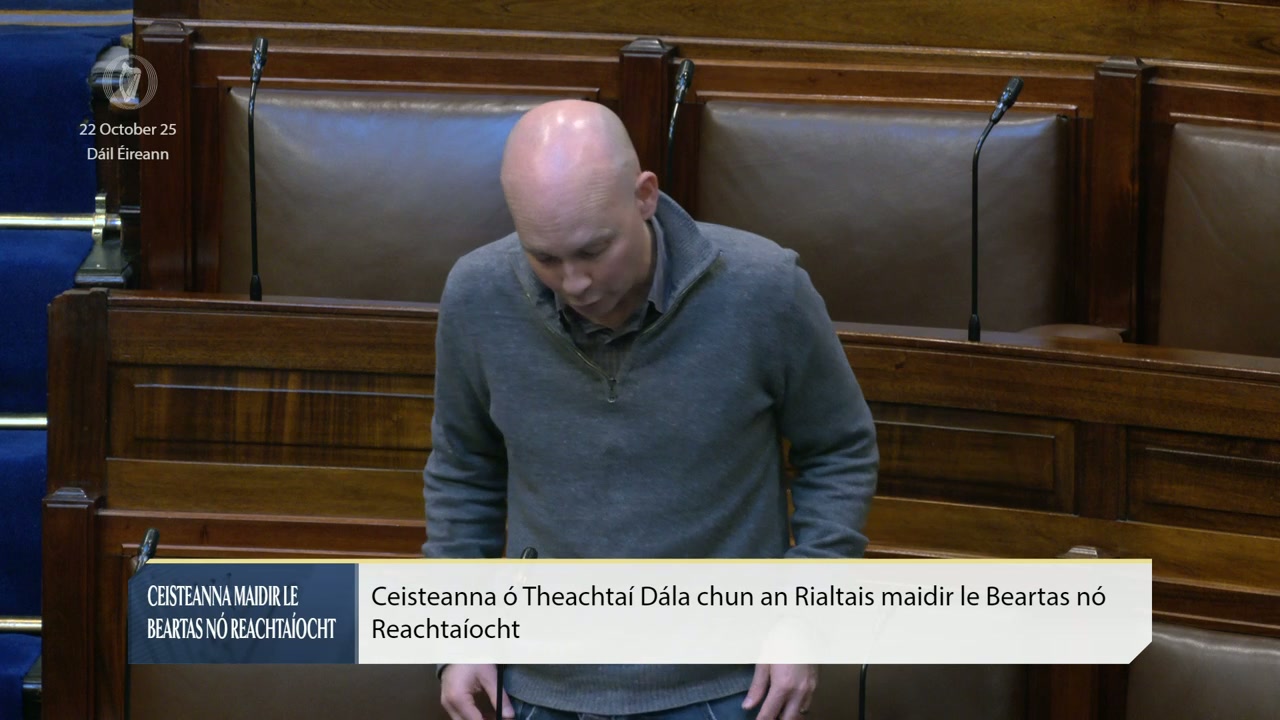
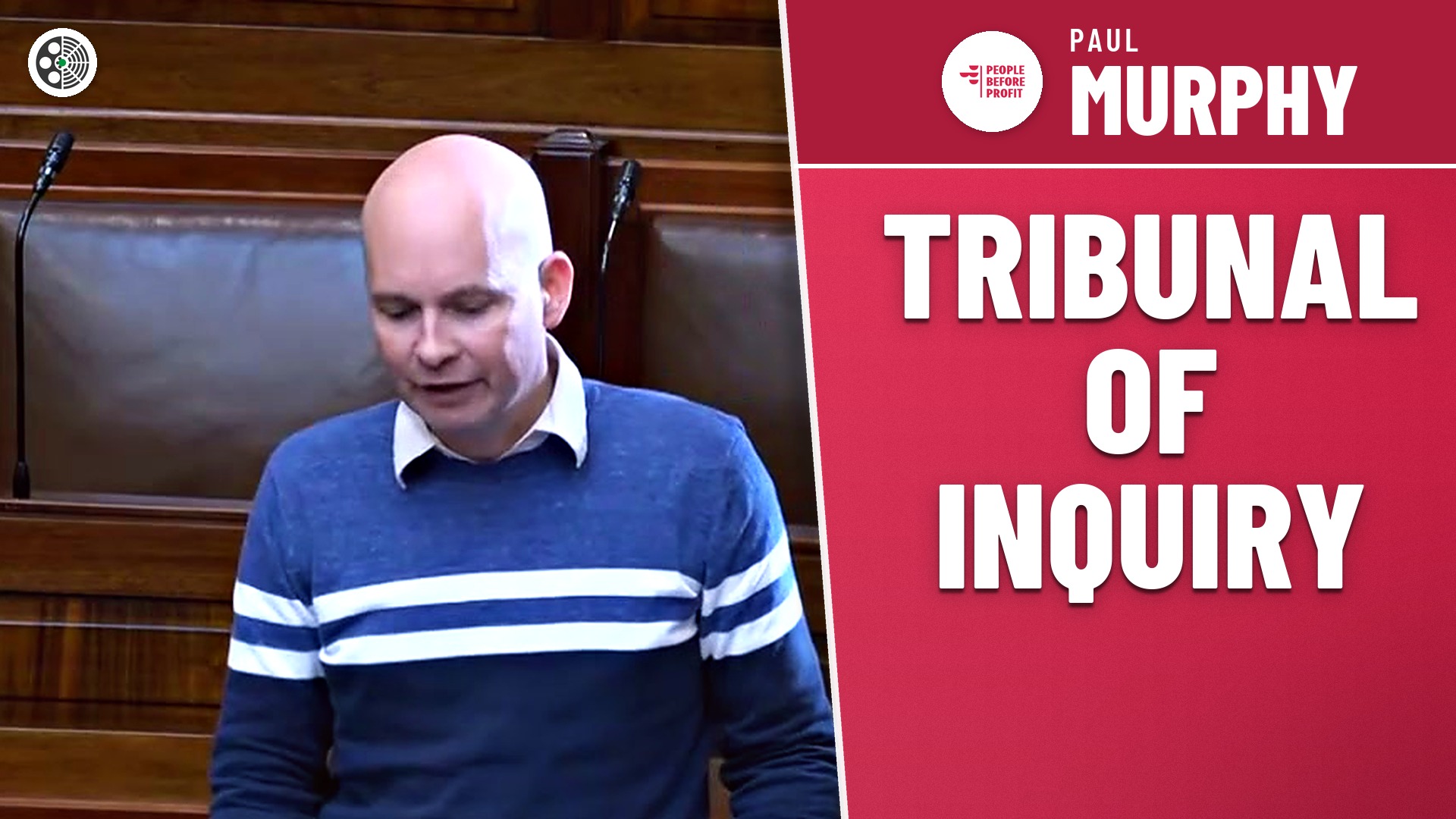
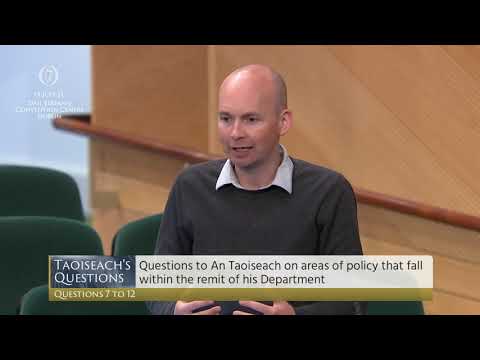
Tego samego dnia All speeches from this day →
Richard Boyd Barrett
Richard Boyd Barrett Questions Student Accommodation Costs
Brian Stanley
Brian Stanley: Budget fails on housing, workers and health
Brendan Smith
Brendan Smith Questions Student Accommodation Plans
Victor Boyhan
Victor Boyhan on Defence Forces and Irish neutrality
Lynn Boylan
Lynn Boylan calls for a windfall tax on fossil fuel profits
Richard O'Donoghue
Richard O'Donoghue: Working Families Are Being Squeezed
Transcript
I want to ask the Minister to draw back from his very divisive proposal in terms of the
change of citizenship rules.
It's an answer to a problem that simply doesn't exist.
It will punish migrant workers in this country, migrant workers who amongst other things are
staffing our health service.
We'll all lose as a consequence and it looks like a very Trumpish policy of effectively
trying to clamber to the top of the government on the backs of some of the most vulnerable
people in this country and it won't improve things for anybody else in this country.
Thank you very much Deputy.
The government recognises and I very much recognise, Minister O'Callaghan recognises
the really incredible contribution that migrants make to Irish society, to communities and
the economy.
No more so than in our own constituency.
The programme for government contains a commitment to continue to implement a firmer and more
sustainable migration system which protects the integrity of the state's immigration framework.
In that context the General Scheme of Irish Nationality and Citizenship Bill 2026 proposes
a number of reforms to the citizenship process.
Citizenship represents, I believe, the fullest expression of our membership and membership
of Irish society.
It's important that the legislative framework governing access to citizenship is a robust
one, is a fair one and is a sustainable one.
The proposed changes do not seek to restrict integration or exclude migrants from Irish
society.
Rather they are intended to ensure that citizenship reflects a genuine and a lasting connection
to Ireland, an understanding of the state and its institutions and an ongoing commitment
to Irish society.
The government has considered whether five years remains the most appropriate period
for establishing the durable connection to the state that citizenship is intended to
The residency period requirements in other EU states were considered in determining the
revision to residency period requirements that are contained in the Bill.
The current residency requirement has remained, by the way, substantially unchanged since
the middle of the last century, despite profound changes in migration patterns, labour mobility
and international travel.
While proposals may affect the time frame for which some individuals become eligible
to apply for citizenship, it does not in any way affect a person's entitlement to
reside here, to work, to study, to establish a business, to establish a life in Ireland
in accordance with the terms of the immigration status which they would hold.
Thank you.
Firstly, I don't know why it's Minister O'Callaghan who goes out and sticks the boot into migrants,
day in, day out, in one performative cruelty policy announced after another, and then it's
the poor junior Minister Brophy who's sent in here to defend it.
Same happened last week in the debate on citizenship and migration.
Here we are again.
I don't know why Minister O'Callaghan can't be responsible and defend the policy that
he's out promoting on the airwaves.
Why won't you answer the questions in here today?
Why won't you answer?
Why are you going to make life harder for nurses who have come here, who are contributing
to our society, and you're going to move the goalposts for them?
These are people who want to integrate.
They want to be citizens.
They're paying taxes.
They're contributing.
What problem is this addressing, can I ask?
Why did you come up with the idea that we need to change the goalposts?
We need to make it harder for people to be citizens.
Why do we have to become more draconian than most European states?
Why do we have to become a lot more draconian than the countries where Irish people emigrate
to, be it Australia, Canada, where three to five years is the norm?
Thank you very much.
Regardless of what you might like to think, imply or say, Minister Callaghan and myself
are absolutely at one on this.
This is a policy which both of us are bringing forward.
It's a policy which at its heart, we believe, is about introducing a modern progressive
system in relation to citizenship that is fair, fair for our country and fair for people
who would be going through the process.
I believe that the combination of measures which we're looking at, which is to have a
civics element where people will have an understanding of the country in which they're living, to
have an element around language where people have an ability and competency, be it in English,
be it in Irish or be it in Irish Sign Language, and to look at the residency period, which
is, I believe, quite a varied residency period across different countries.
That's quite correct, Deputy.
I don't disagree with that.
But I happen to think that what we are doing is strengthening that connection through citizenship
of somebody by increasing that period of time for which they will be in the country for
which citizenship is granted.
The one thing to remember, citizenship is a privilege for anybody in any country to
acquire.
It is not a right and it is not something that is just bartered away because somebody
spends X amount of years in a country.
Citizenship is far more important than that.
Dr Murphy?
I mean, if you're at one with Minister O'Connell, then shame on you too.
Shame on you also stepping on the backs of the migrant workers who hold up our health
system.
You say that this is about introducing a moderate progressive system.
What's not moderate and progressive about the system that we currently have?
Again, I ask the question, what's the actual problem?
Why have you decided to do this?
This is not a general topic of discussion in society.
There's no one clamouring for this change.
It seems to me it is purely a political trumpet, divisive measure designed to distract from
all the problems that your government are responsible for.
Ireland would be the only country to have this level of restrictions in terms of salary,
in terms of social protection, and in terms of the number of years being here.
The only country in the EU to have that.
I also ask the question, why this wealth test for citizens?
What's wrong with low paid workers, Minister?
Why should low paid workers who give so much to this country, and who also pay tax, why
should they have less of a right to citizenship just because they're low pay?
You think that kind of discrimination is okay?
Again, Deputy, I refer you to what I was saying to you earlier on.
If you want, and I believe a government has an entitlement to, look from time to time
about the laws and regulations that govern the society in which we live.
We haven't made, as I say, changes in this type of area to our citizenship process for
decades upon decades.
And there is an absolute right, I believe, for Irish people through their elected representatives
to look at it.
We are introducing legislation.
We have proposals in that legislation.
There will be a full process of engagement through the Houses of Oireachtas, which will
look at all aspects of it.
But from a perspective of government, what we believe we are doing is not actually looking
to make it more difficult for someone to become an Irish citizenship, but to make
sure that that engagement is a deeper and stronger engagement when it happens.
And I don't think it is in any way wrong to ask people to have a proficiency in a language
in the country in which they live, to be able to contribute to it, to have a knowledge of
its civic society and how it works, and to be resident in the country for a significant
period of time before they get citizenship.
I don't see what is so ridiculous or unfair or wrong about those simple requirements.