

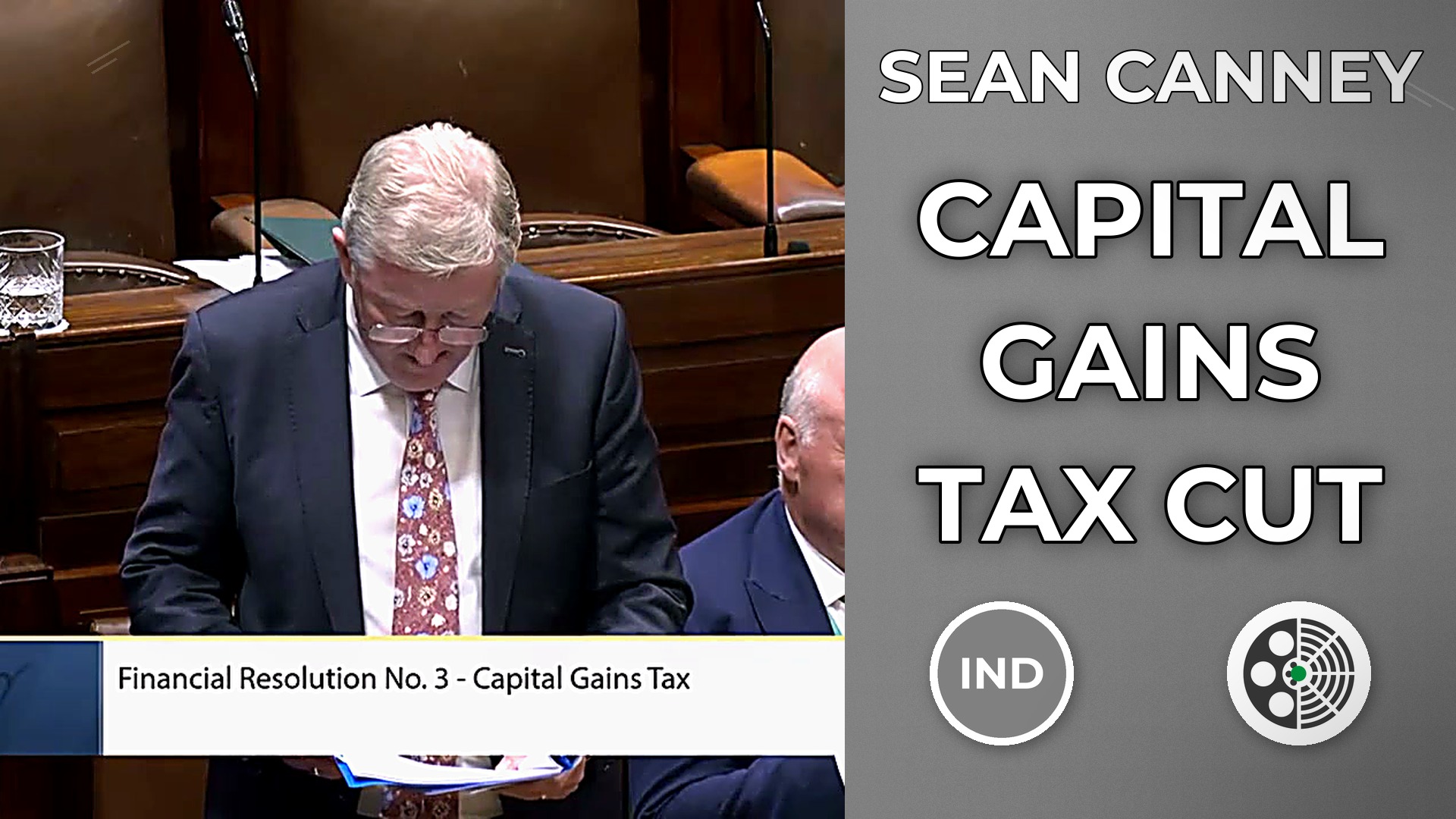


Seán Canney backs 31% capital gains tax rate
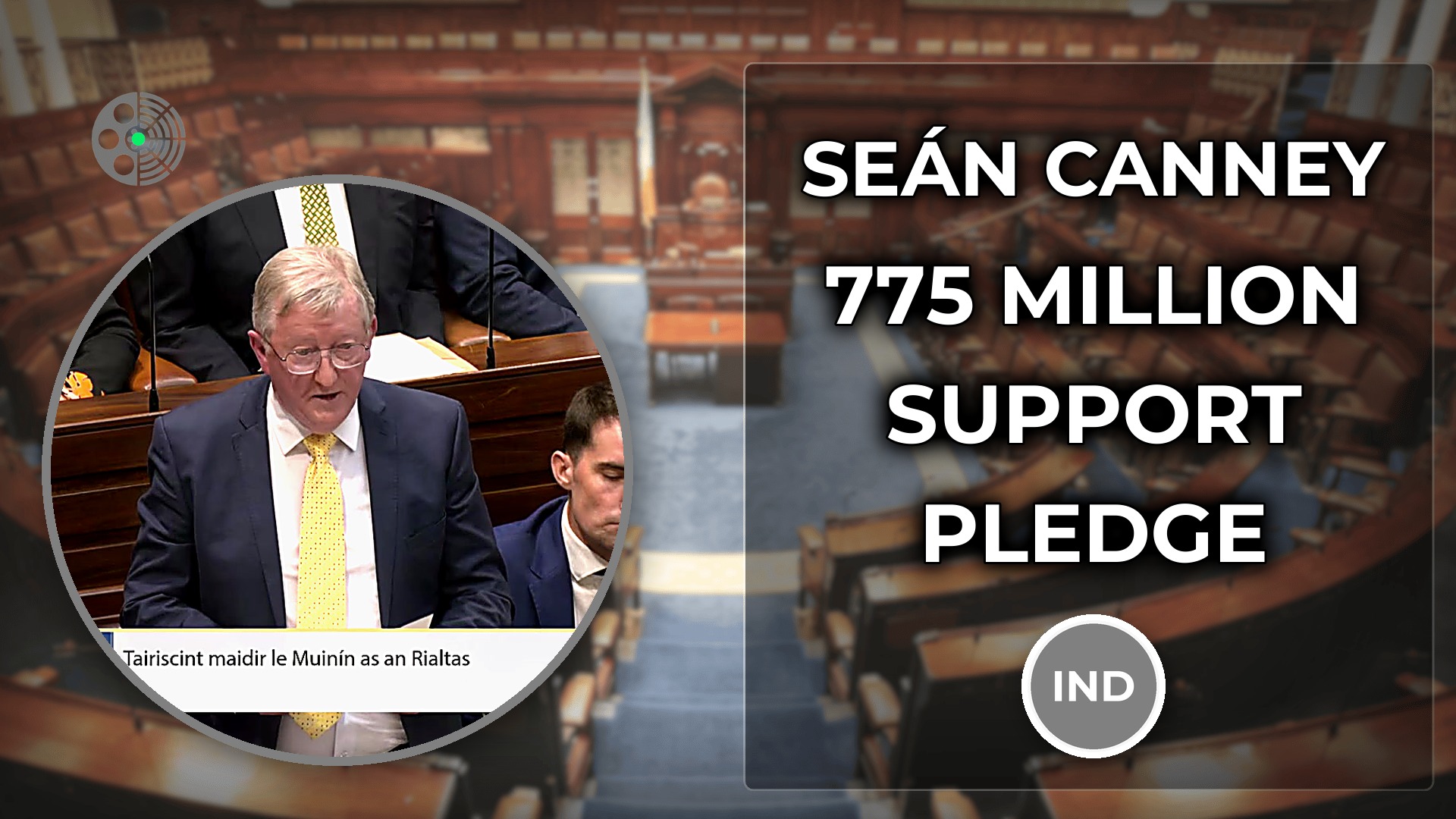
Seán Canney moved Financial Resolution No. 3, which reduces the standard rate of capital gains tax from 33% to 31%. He said the change is intended to encourage domestic investment, attract international investment and support entrepreneurs and SMEs as they grow their businesses.
Canney outlined how the Taxes Consolidation Act 1997 applies the standard rate to chargeable gains arising from asset disposals, including sales, gifts and exchanges. The legislation covers tangible and intangible assets, and gains on worldwide assets disposed of by Irish tax residents.
Canney said a lower rate could expand domestic investment activity and improve Ireland’s position in attracting international investment. He also linked the measure to supporting entrepreneurs and SMEs as they scale their businesses.
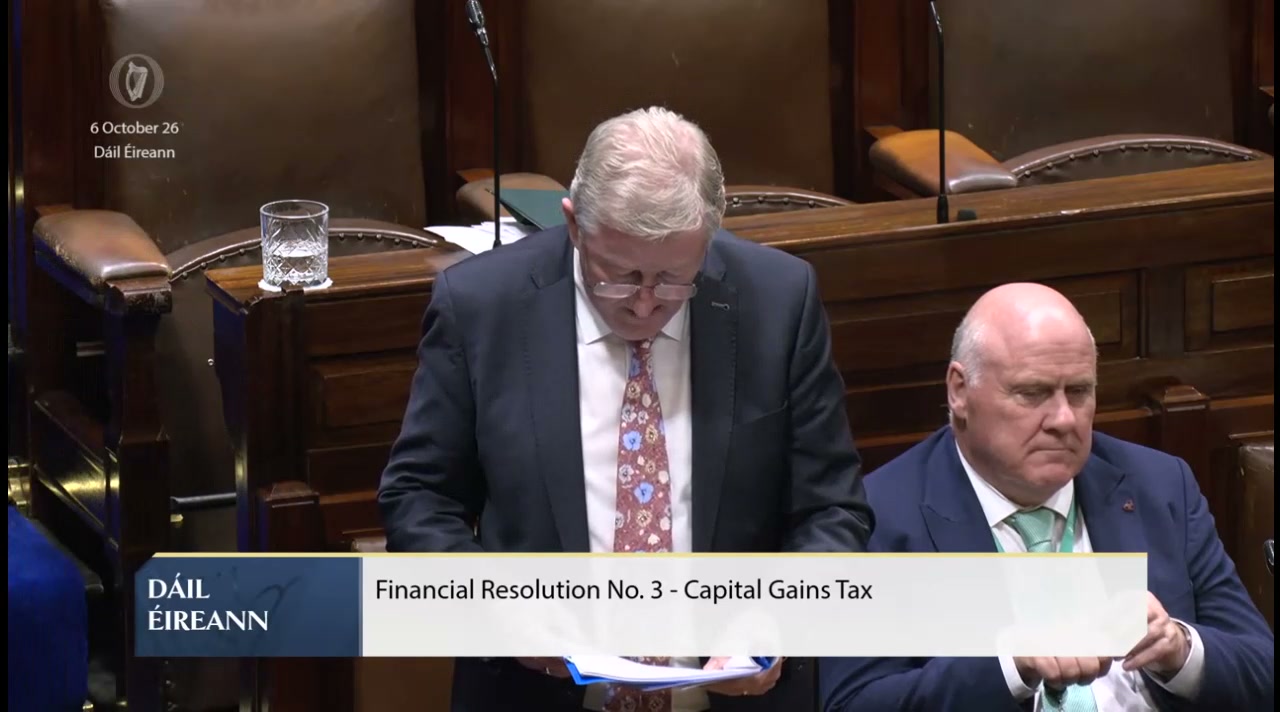
The speech put the cost of the reduction at £46.5 million in 2026, rising to a full-year cost of £186 million in 2027. Canney described the resolution as part of the Government’s policy to encourage domestic enterprise and investment.
Watch the recording to hear the full contribution.
The capital gains tax change
Canney outlined how the Taxes Consolidation Act 1997 applies the standard rate to chargeable gains arising from asset disposals, including sales, gifts and exchanges. The legislation covers tangible and intangible assets, and gains on worldwide assets disposed of by Irish tax residents.
Investment and enterprise
Canney said a lower rate could expand domestic investment activity and improve Ireland’s position in attracting international investment. He also linked the measure to supporting entrepreneurs and SMEs as they scale their businesses.
Cost to the Exchequer
The speech put the cost of the reduction at £46.5 million in 2026, rising to a full-year cost of £186 million in 2027. Canney described the resolution as part of the Government’s policy to encourage domestic enterprise and investment.
Watch the recording to hear the full contribution.
We publish thousands of recordings to make Irish politics transparent and resistant to manipulation. Spotted an error? Report it — together we are building a reliable archive of Irish politics.
Other speeches
Tego samego dnia All speeches from this day →
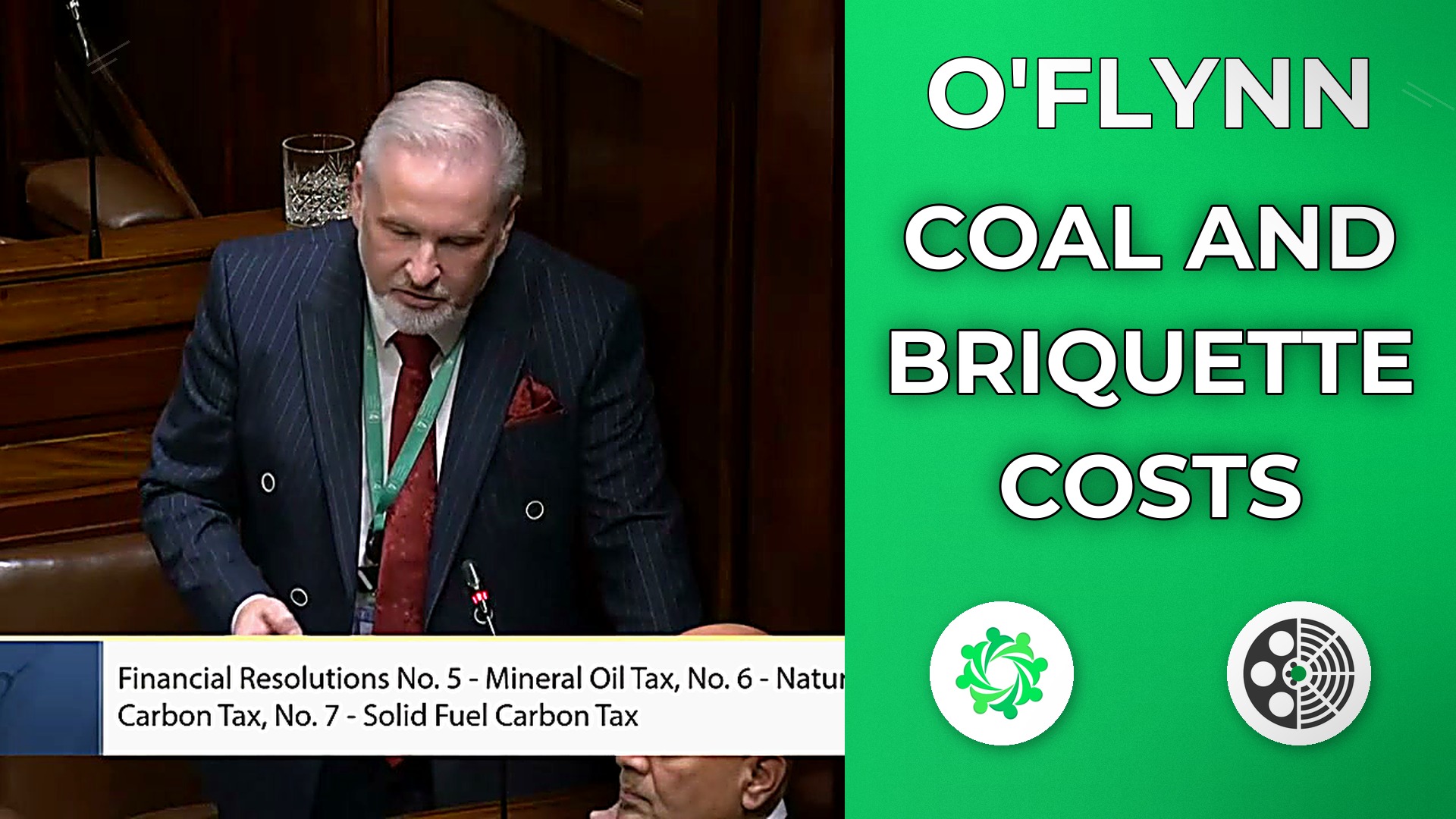
Ken O'Flynn
Ken O'Flynn challenges heating tax rises for coal users
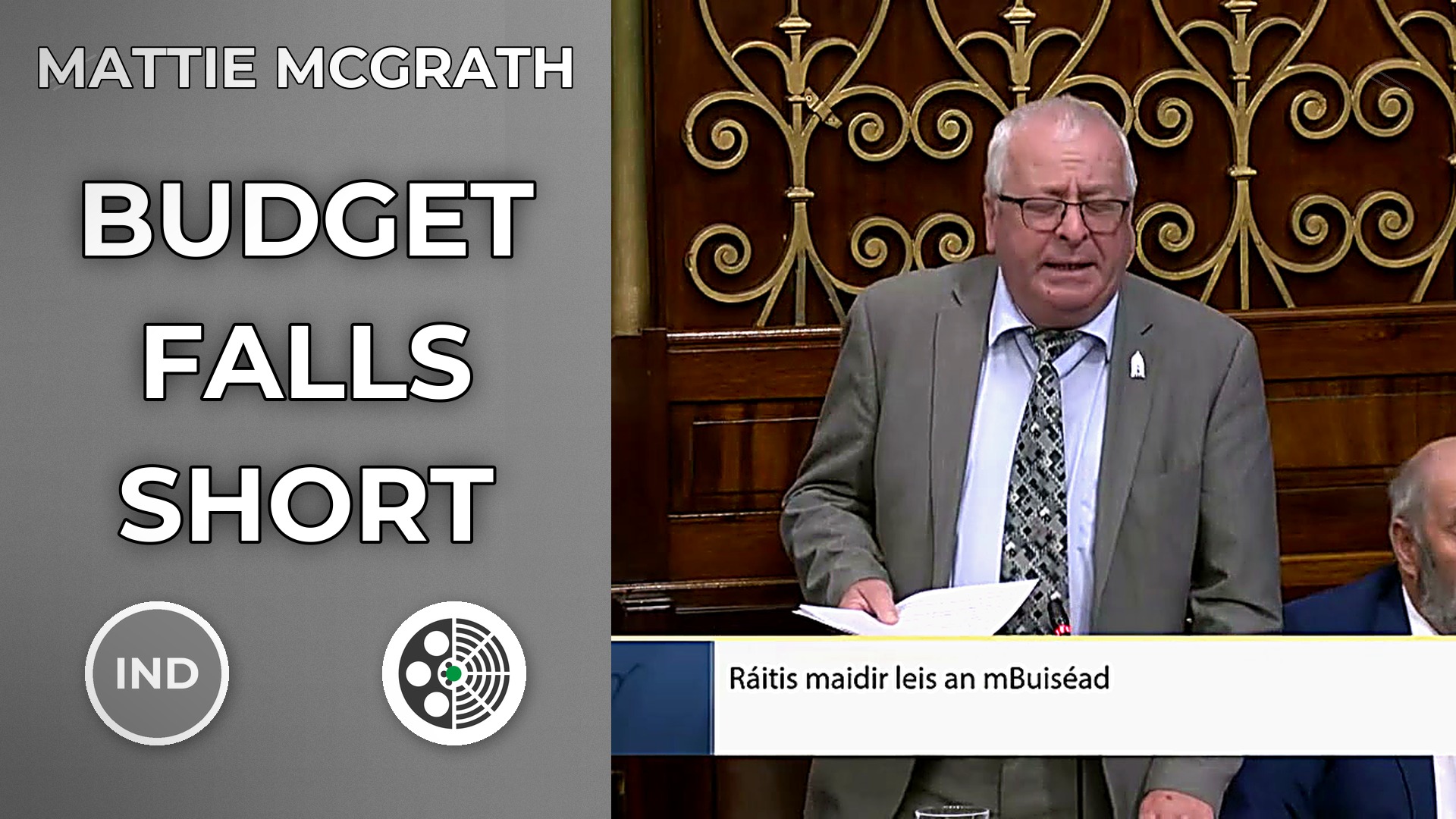
Mattie McGrath
Mattie McGrath: Budget Measures Welcome, but Delivery Falls Short
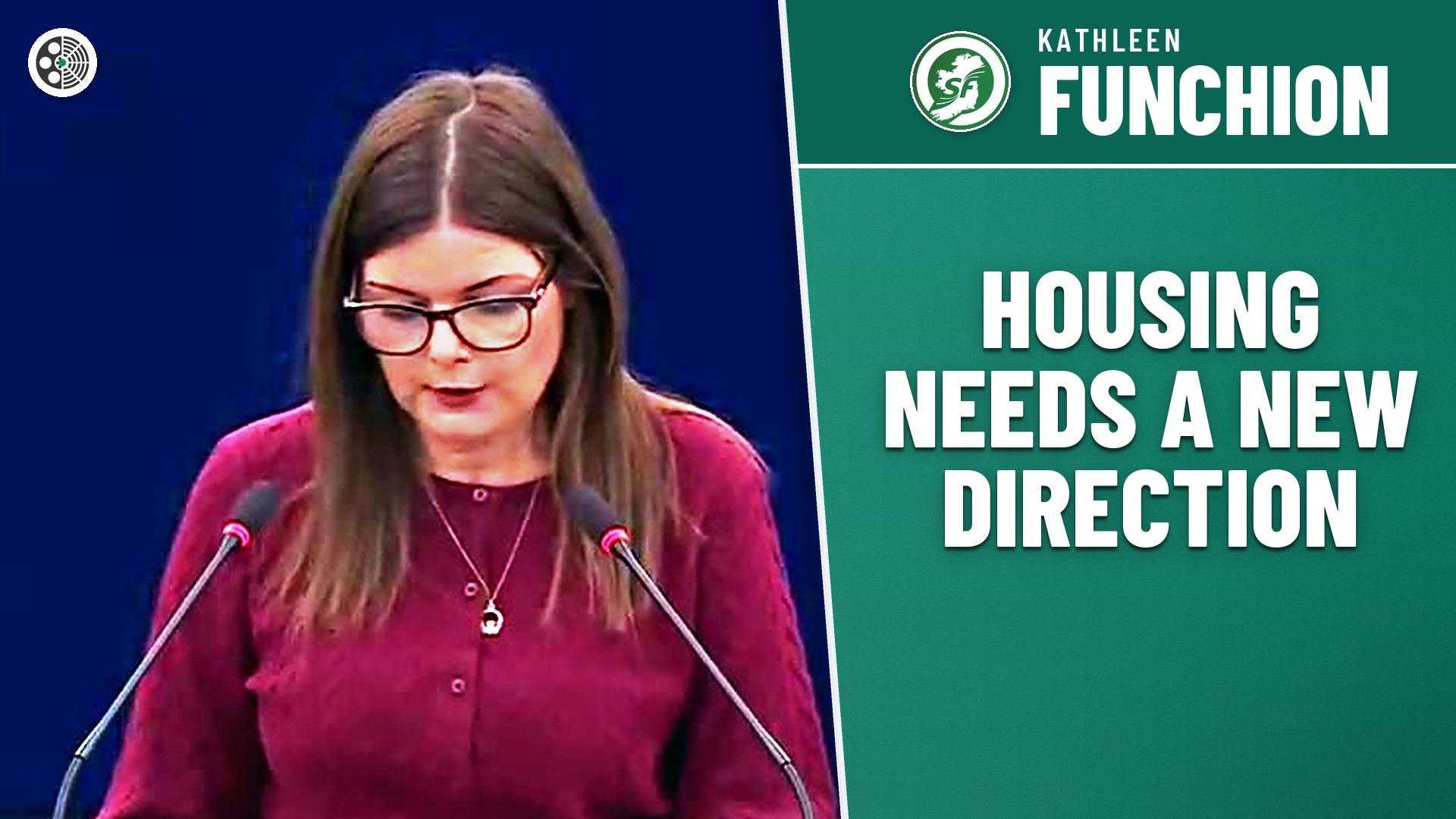
Kathleen Funchion
Kathleen Funchion Says Housing Needs a Different Direction
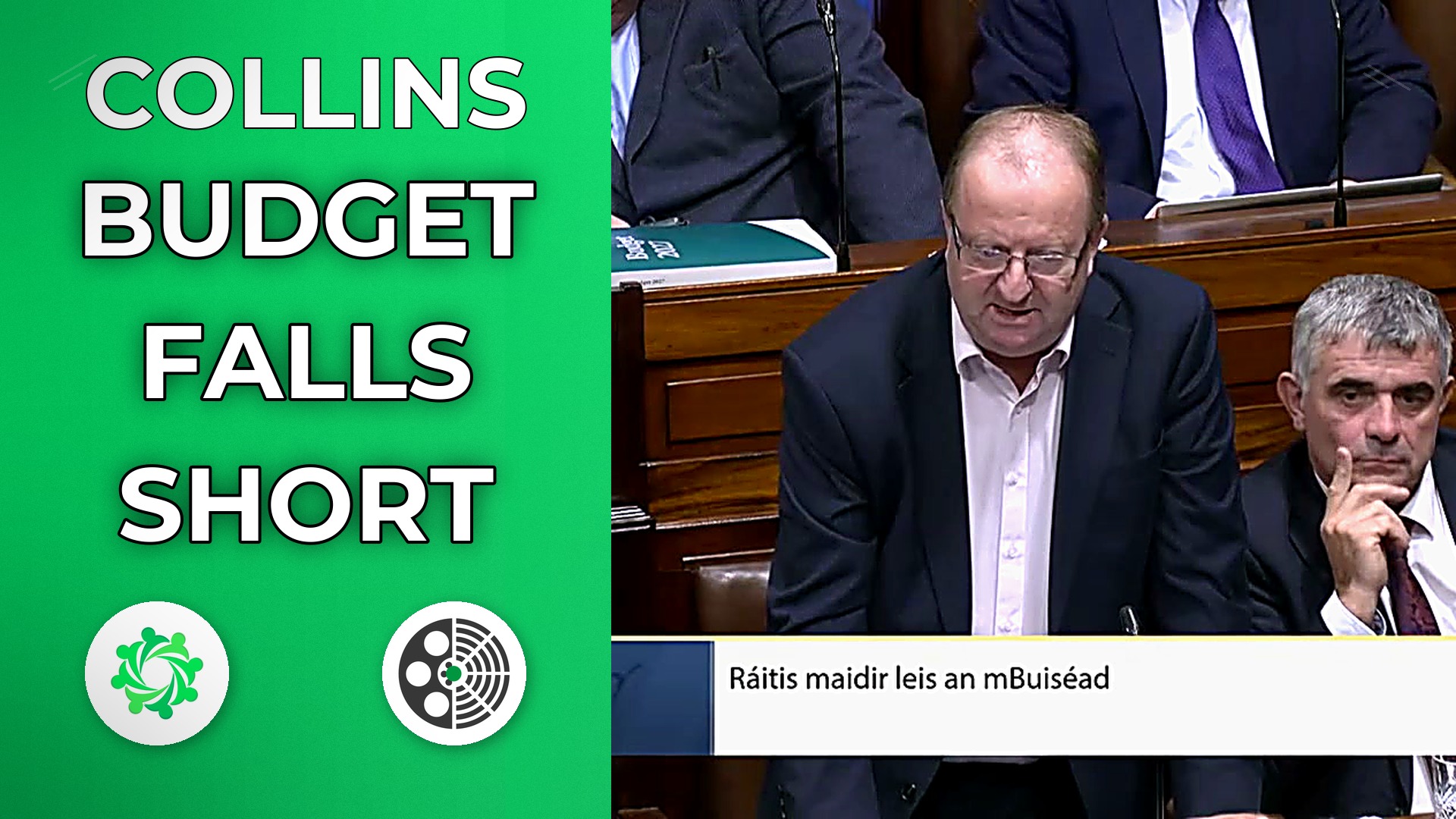
Michael Collins
Michael Collins says budget fails households under pressure
Frankie Feighan
Frankie Feighan sets out case for Budget 2027
Danny Healy-Rae
Danny Healy-Rae Opposes Tobacco Price Increase
Transcript
Financial Resolution No. 3 provides for a reduction in the standard rate of capital gains tax from 33% to 31%.
In Section 28.3 of the Taxes Consolidation Act 1997, capital gains tax is currently applied at the standard rate of 33% to chargeable gains arising from disposal of assets.
The disposal of an asset may comprise of sale, gift or exchange of an asset by a person, as well as that person receiving compensation or insurance for it.
Paragraphs 19, 20 and 21 of the Taxes Consolidation Act 1997 provides for the taxation of chargeable gains and are structured to apply the standard rate of capital gains tax to gains accruing on the disposal of assets subject to specific exceptions.
Exceptions and reliefs are then provided for various sub-categories of assets. The Tax Consolidation Act 1997 defines an asset for the purposes of the capital gains tax in broad terms.
It covers both tangible and intangible assets, including assets that have been acquired or created.
Irish capital gains applies to gains arising on the disposal of worldwide assets by Irish tax residents.
The reduction in the standard rate of capital gains is intended to increase and expand domestic investment activity.
It will also contribute to Ireland's competitive position for attracting international investment and help support entrepreneurs and SMEs in scaling their business.
This decrease in the standard rate of capital gains tax will result in a cost to the Exchequer of £46.5 million for 2026 and a full year cost of £186 million for 2027.
I move this resolution, which I see as a key part of the Government's policy to encourage domestic enterprise and investment.