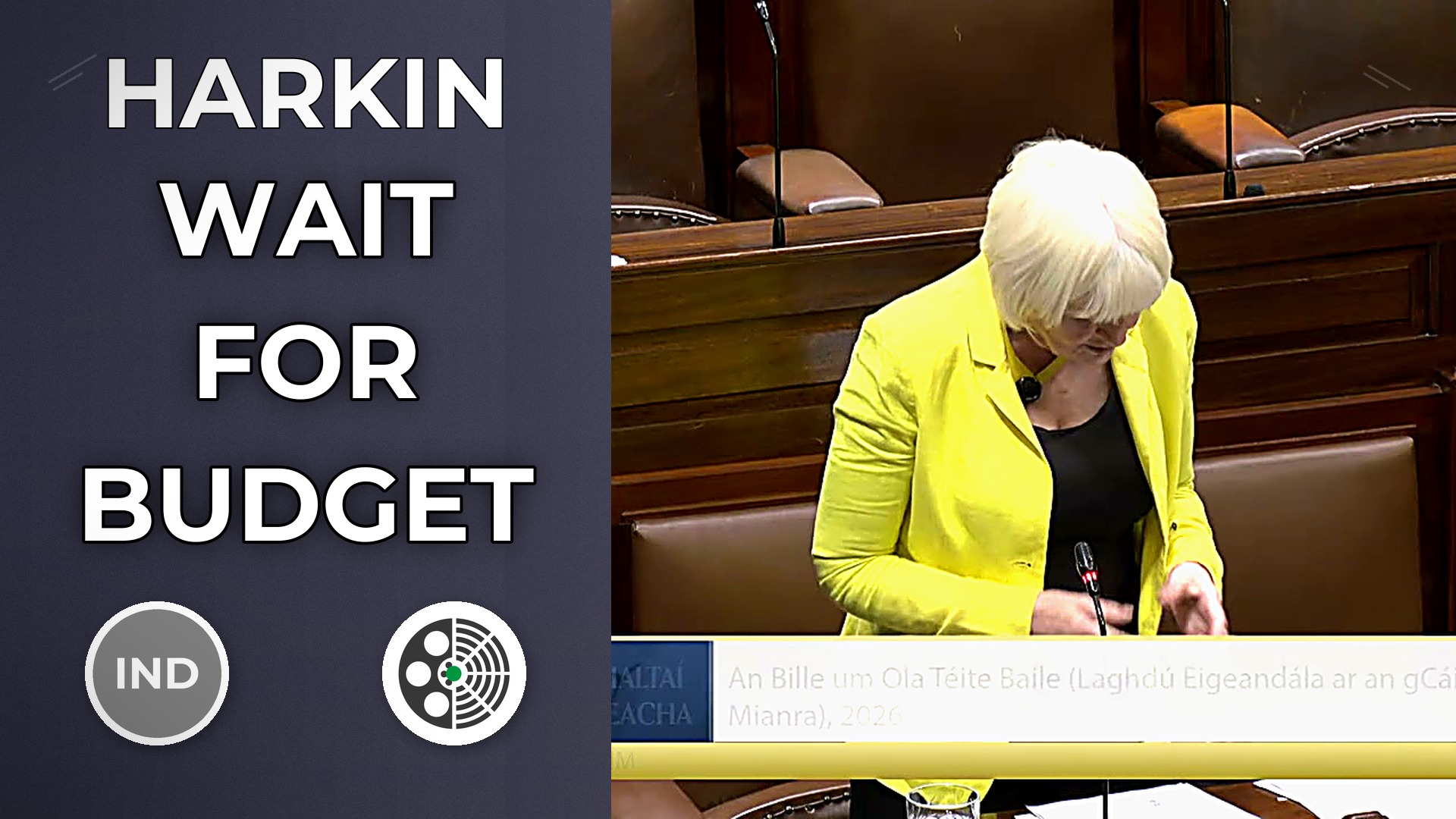
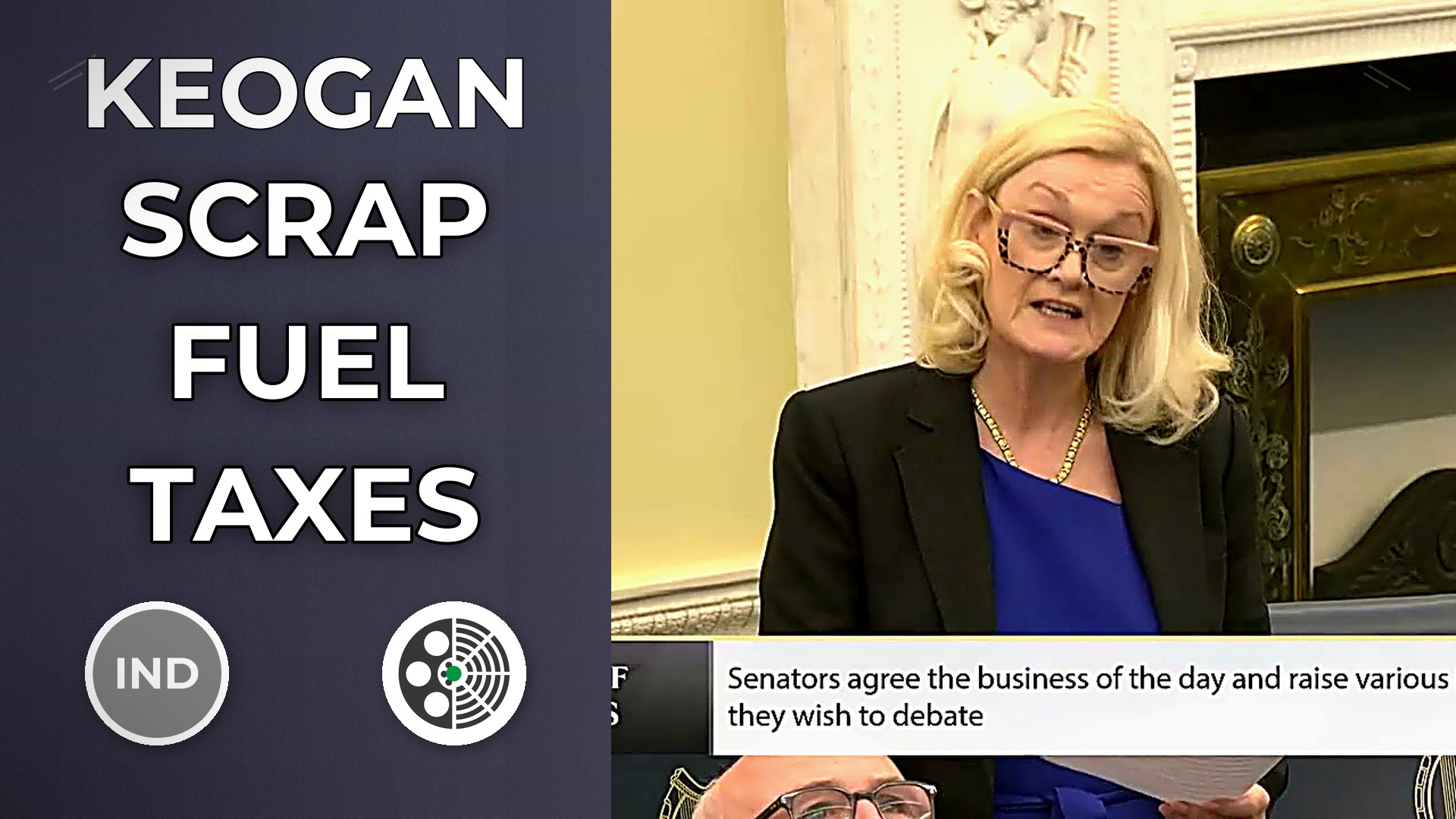
Marian Harkin defends Government response on heating oil costs
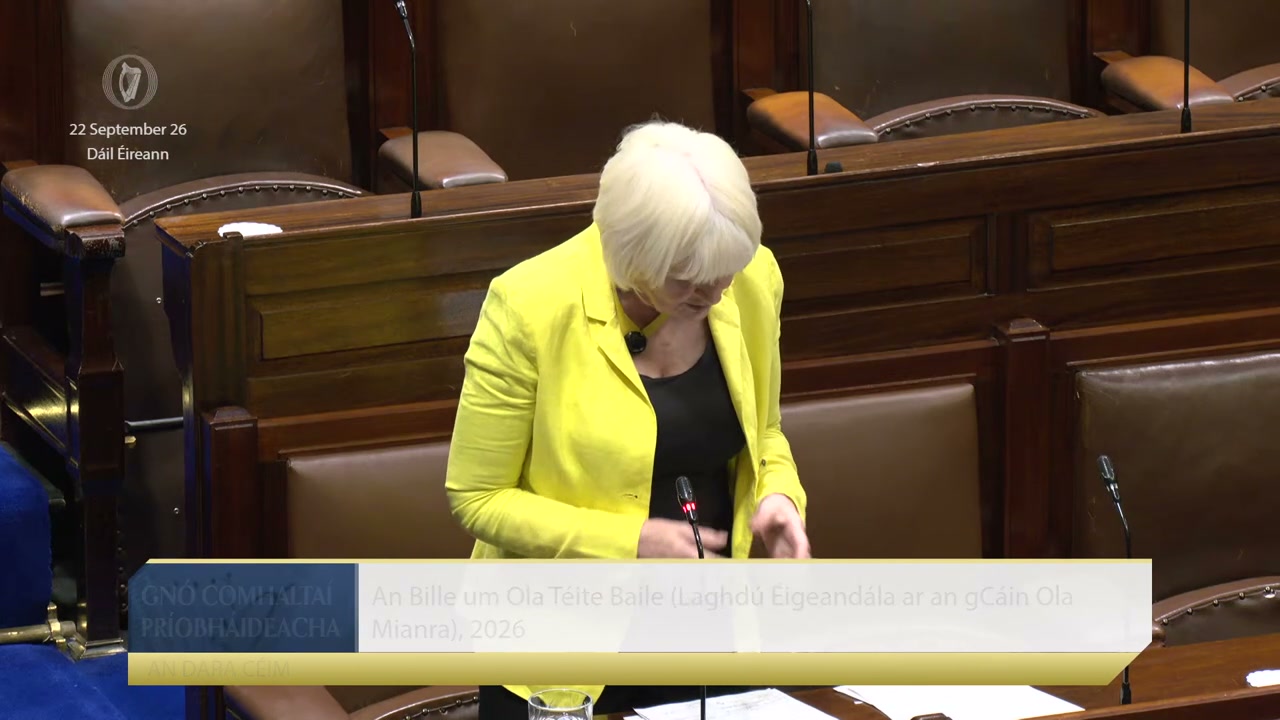
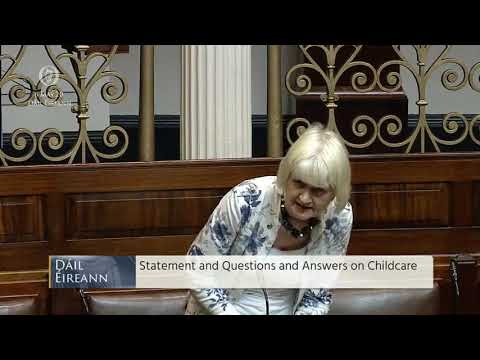
Minister Marian Harkin defended the Government’s response to rising energy costs during a Dáil Éireann debate on Sinn Féin’s Bill concerning the taxation of home heating oil. She said decisions on heating oil taxation should be made as part of Budget 2027, due in two weeks, rather than through the Bill under debate.
Government support package
Marian Harkin highlighted more than €1.3 billion in Government supports, describing it as one of the largest packages per head of population in the EU. She pointed to expanded fuel allowance eligibility, with an additional 50,000 households benefiting and more than 470,000 households now receiving the payment.
Budget 2027 and home heating oil
Harkin said the wider taxation of fuel and energy remained under review, with specific consideration being given to the cost of home heating oil. She said the Government’s position was that decisions should be taken on Budget Day, when the measures would be formally considered and voted on.
Energy prices and fossil fuels
The Independent TD attributed rising energy costs to global factors including the war in Ukraine, Houthi attacks and instability affecting oil markets. She also argued that reducing reliance on fossil fuels must form part of the response, alongside support for households facing energy poverty.
Carbon tax and targeted supports
Harkin defended carbon tax as part of the polluter pays principle and said carbon tax revenues had funded social protection, retrofitting and sustainable farming measures. She cited Budget 2026 allocations including €566 million for retrofitting, €350 million for targeted social welfare interventions and €173 million for green and sustainable farming measures.
Marian Harkin said the Government would not support the Sinn Féin Bill and pressed for the House to decline to give it a second reading. Watch the recording to hear the full contribution.
We publish thousands of recordings to make Irish politics transparent and resistant to manipulation. Spotted an error? Report it — together we are building a reliable archive of Irish politics.
Thank you Ken Corley. First of all can I say I welcome the opportunity to respond to some of the issues raised in the debate on the Bill put forward by Sinn Féin regarding the taxation of home heating oil. As this House understands Ireland as a small, open, successful economy with a reliance on fossil fuels is especially vulnerable to global energy price shocks. No government anywhere in the world can fully insulate its people from price shocks of the magnitude that we have seen over the past seven months. However, we as a government have moved to support households, to support the most vulnerable in regard to these price fires and our fissures. Our actions so far have clearly shown we have listened to our citizens and we have been responsive to their needs. In fact, we have provided one of the largest packages per head of population in the entire EU with supports of over 1.3 billion euro. So every man, woman and child in Ireland has received one of the largest packages of support in the EU. That is action, that's not talk, that's not an empty promise. And that package has assisted very many people in Ireland and crucially it has also included targeted measures to support the most vulnerable. And that's why, for example, in Budget 26 the government acted to broaden eligibility for the fuel allowance. An extra 50,000 households have benefited. We now have over 470,000 households benefiting from fuel allowance and an additional four weeks payment of 38 euro a week were also given to each one of those households. That's targeted action for those who need it most. And that's why in Budget 2027 this government is committed to supporting the most vulnerable to energy poverty while recognising that the tax system can only do so much. I've noted the discussion this evening and want to respond by re-emphasising once again that the factors behind the increasing cost of energy are global in nature. They're not just the conflict in the Strait of Hormuz. It's the Houthi attacks. It's the war in Ukraine. All of these ongoing conflicts are pushing up the price of oil. However, this government accepts its responsibilities and fully acknowledges the challenging and uncertain times in which we are now living. And we also recognise that people look to government to manage the impact of this global price disruption in a fair and equitable way. Therefore, on October 6th, this government will deliver Budget 2027 with the aim of making every person's life that bit easier. That is where the changes will come about. Not tonight, not tomorrow, but on Budget Day. That is where the decisions will be made. Now, today, during leaders, Minister Chambers outlined some of the broad brushstrokes of the budget this morning. These changes will very likely include, but of course nothing is definite until Budget Day. But Minister Chambers already listed an income tax package to reward workers, a government response on the cost of disability and cost of childcare. He also said the wider issue of taxation on fuel and energy is under review. And he said they are giving specific consideration to the cost of home heating oil. So decisions on the cost of home heating oil will be voted on, not tonight, but in the context of Budget 2027. But just as important as helping to alleviate some of the increased costs people are facing is the need to reduce our reliance on fossil fuels where possible. And Minister Chambers again today spoke of the need for a greater uptake of grants to improve energy sustainability. And he said Minister O'Brien would act on this. Because we cannot approach this issue from one side only. We must reduce our dependence on fossil fuels. And progress will be made on this issue in the forthcoming budget. And I was very pleased to hear my colleague Barry Henehan once call for the introduction of plug-in solar. And Deputy, in my opinion, the sooner the better. Your idea, supported by the independents from day one, can make a real difference. And I hope to see it, as I said, as soon as possible. Ken Corley, despite all the accusations we've heard from the opposition tonight, the facts don't lie. Once again, can I reiterate that this government has delivered one of the largest support packages in the EU per head of populations, with a total of 1.3 billion being available. That's the reality. At the beginning of this crisis since then, the government has deferred the 1st of May carbon tax increase on home heating fuels. Not reduced, but has deferred it. It has reduced exercise duty on diesel, petrol and marked gas oil. It has enhanced the diesel rebate scheme for hauliers and passenger transport operators. It has funded payments to road transport operators under the road transporters support scheme. It has funded payments to farmers, to farm contractors and to fishers under the fuel income support scheme. And it has reduced the NORA levy. That's the National Oil Reserves Agency. But nobody should that the work of that agency is to ensure that Ireland has adequate oil reserves. And in these uncertain times, to continue funding that agency is prudent. Before this crisis, the government was already acting to protect households with changes that budget 2026, such as an extension until 2030 of the 9% fat rate currently applied to gas and electricity bills. And enhanced social protection payments, as I said, an increase in the fuel allowance. One comment I want to make about carbon tax. Carbon tax is based on the polluter pays principle. Something I'm sure everyone in this house agrees with. And it is an important part of Ireland's overall commitment to tackling climate change and lower our dependence on fossil fuels. As of budget 2026, the government has allocated over 4.2 billion in carbon tax revenue for those kinds of schemes since 2020. And the SRI analysis consistently shows the lower income deciles are better off as a result of the social protection measures funded by increased carbon tax. So why would we want to get rid of a tax measure that benefits the lower income deciles? That's what the SRI tells us. As a result of the social protection measures that are funded by this tax. In budget 2026, over 1.1 billion was allocated to climate action measures. For example, 566 million for retrofitting. 350 for targeted social welfare interventions, such as fuel allowance. And 173 for green and sustainable farming measures, such as acres. These funding programs show the government has a proven track record of supporting the most vulnerable. And on budget day, it could be no different. So can I once again say, the appropriate time to deal with the cost of fuels and home heating oil is in the context of budget 2027 in two weeks time. So it is on that basis, the basis that budget 2027 is two weeks away, that the government does not support the opposition's bill and again presses the motion that the house declines to give this bill a second reading.
Thank you for downloading 🙏
If you publish this material on social media, we would be very grateful if you tagged VideoParliament. It helps us reach more people and keep building a transparent archive of Irish politics.