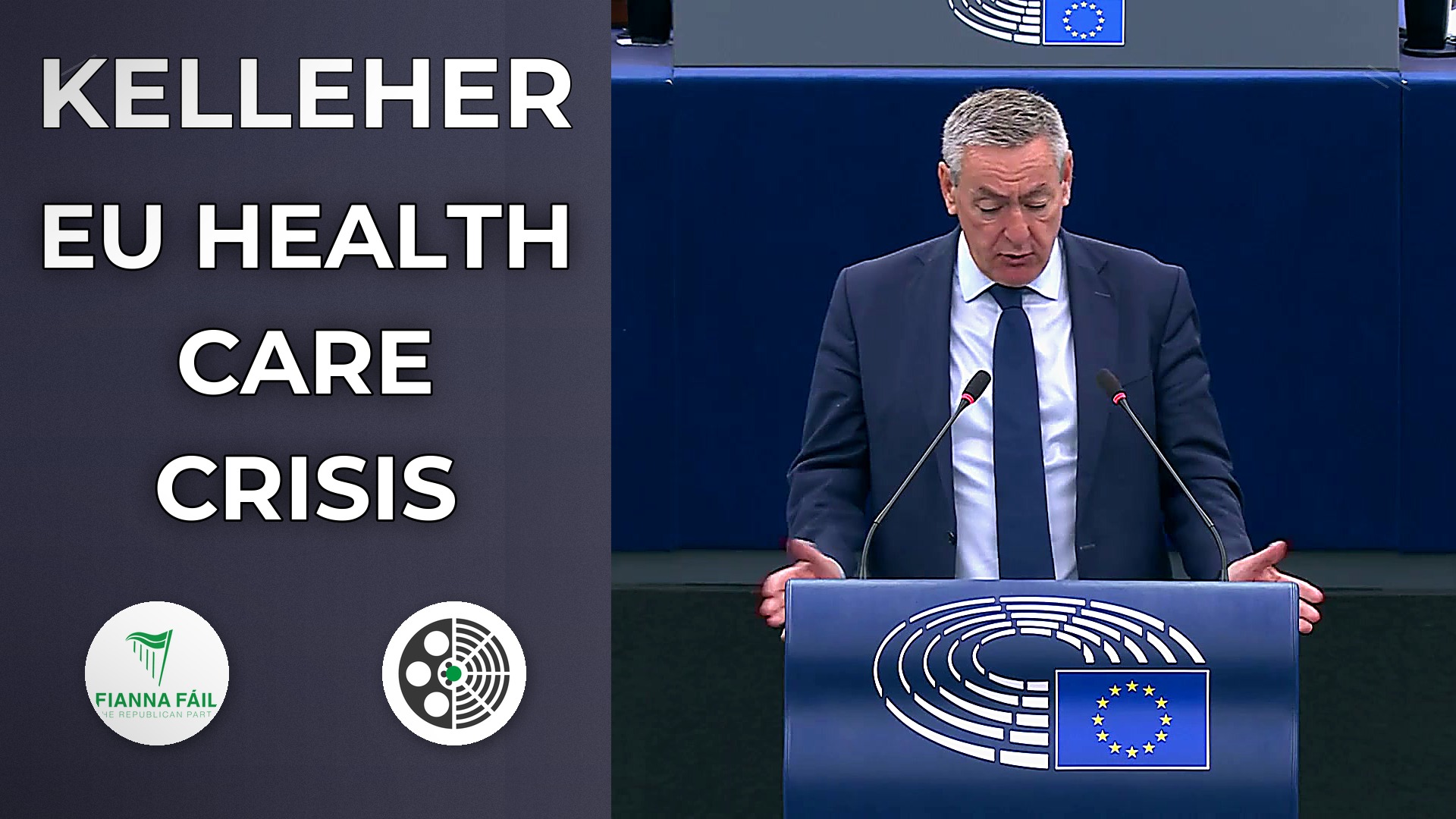
Billy Kelleher backs EU plan to tackle health workforce crisis
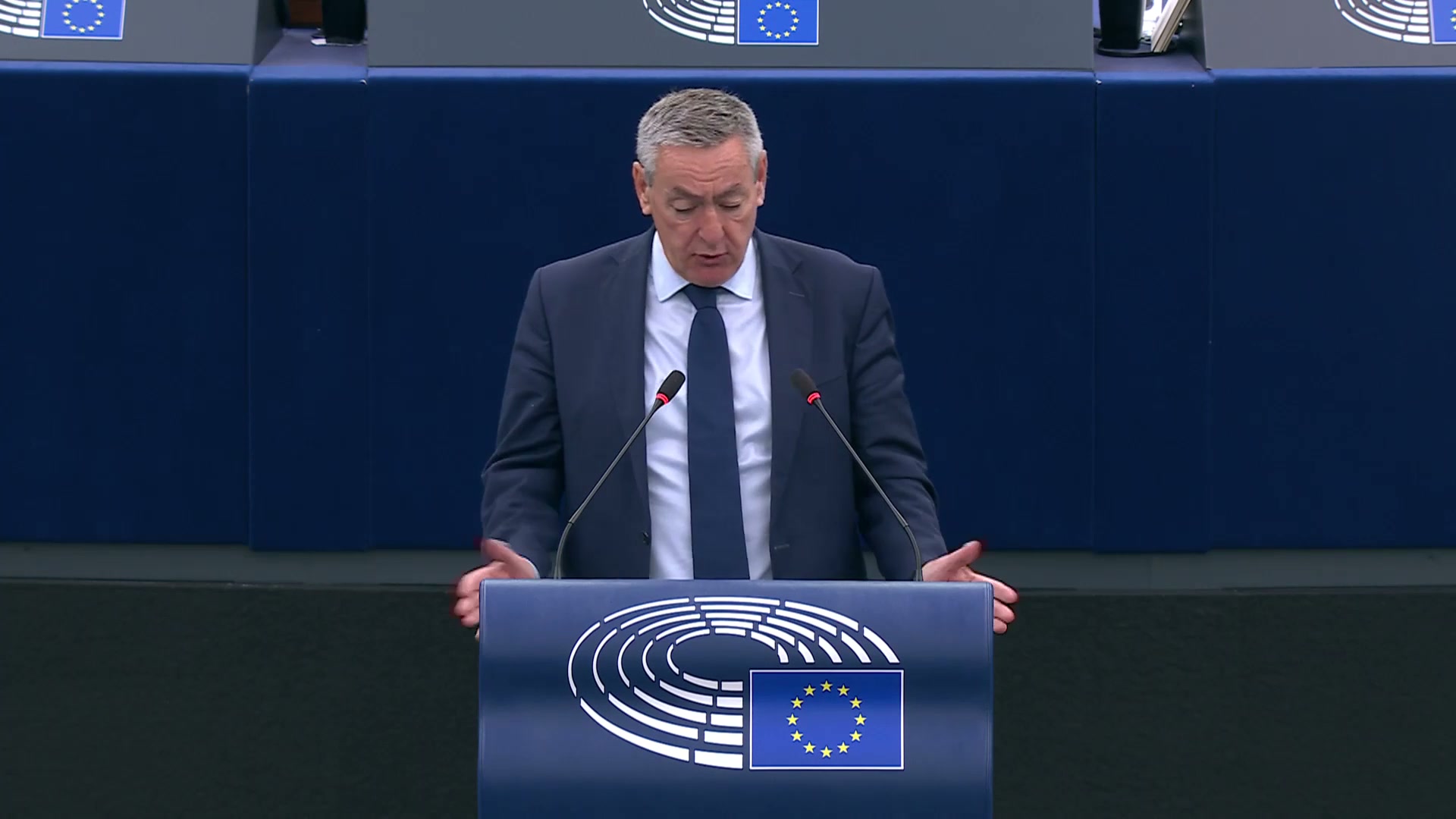
Billy Kelleher has welcomed the EU healthcare workforce crisis plan in a contribution on the long-term pressures facing health systems. He says ageing populations, staff shortages, uneven workforce mobility and reliance on migrant workers require immediate and coordinated planning across Europe.
Ageing populations and complex care
Billy Kelleher noted that life expectancy in Ireland has risen from 70 to 83 years, reflecting a wider European trend. He said longer lives also bring greater challenges involving comorbidities, complex health systems and the need to provide care for ageing populations.
Workforce planning across Europe
The contribution highlighted the need to improve labour mobility and the recognition of healthcare qualifications across Europe. Billy Kelleher warned that healthcare professionals should not simply be drawn towards the highest-bidding country while other countries lose essential staff.
Stress, burnout and working conditions
Billy Kelleher said strong workforce planning must address future healthcare demand, while also recognising the impact of working conditions, stress and burnout on healthcare workers.
Migrant workers in healthcare
Billy Kelleher said European healthcare systems will depend on migrant workers for many years and argued that they should be welcomed and appreciated for their role in providing care, rather than being condemned or threatened. Watch the recording to hear the full contribution.
We publish thousands of recordings to make Irish politics transparent and resistant to manipulation. Spotted an error? Report it — together we are building a reliable archive of Irish politics.
Je vous remercie. Thank you. Next speaker, Billy Kelleher. In my lifetime, the life expectancy in Ireland has increased from 70 years of age to 83 years of age. And across Europe, life expectancy is increasing dramatically. Of course, with that comes the challenge of comorbidities and dealing with very complicated health systems to provide care for an aging population. And of course, the double jeopardy on top of that with an aging medical and clinical age profile as well. So I very much welcome this EU health care workforce crisis plan and ensure that we make decisions now in an immediate period to address the long-term challenges that we're all facing. We also have to accept that the labor mobility and qualification recognition is not seamless across Europe. And we do need to address that to make sure that the workforce can move to where there may be greater demand. But equally, we can't have a situation where it goes to the highest bidding country to have a full complement of health care while other countries lose their health care professionals. So I do believe we have to have strong workforce planning into the future addressing the complexities of health demands that will be out there in the years ahead. Finally, I just want to say working conditions, stress and burnout are a real factor. On top of that, Europe will be dependent on migrant workers for many, many years in our health care systems. We should be conscious of that. And we should be welcoming to them. Whether a person is seen as a migrant or an alien by some, the most important thing is they are here to work, to help and to assist in providing health care to the European citizens. And for that, we should be very appreciative of them, not condemning them and threatening them. Thank you. Next speaker, Sergio Umberto.
Thank you for downloading 🙏
If you publish this material on social media, we would be very grateful if you tagged VideoParliament. It helps us reach more people and keep building a transparent archive of Irish politics.






_thumb_selected.png)


_thumb_selected.png)