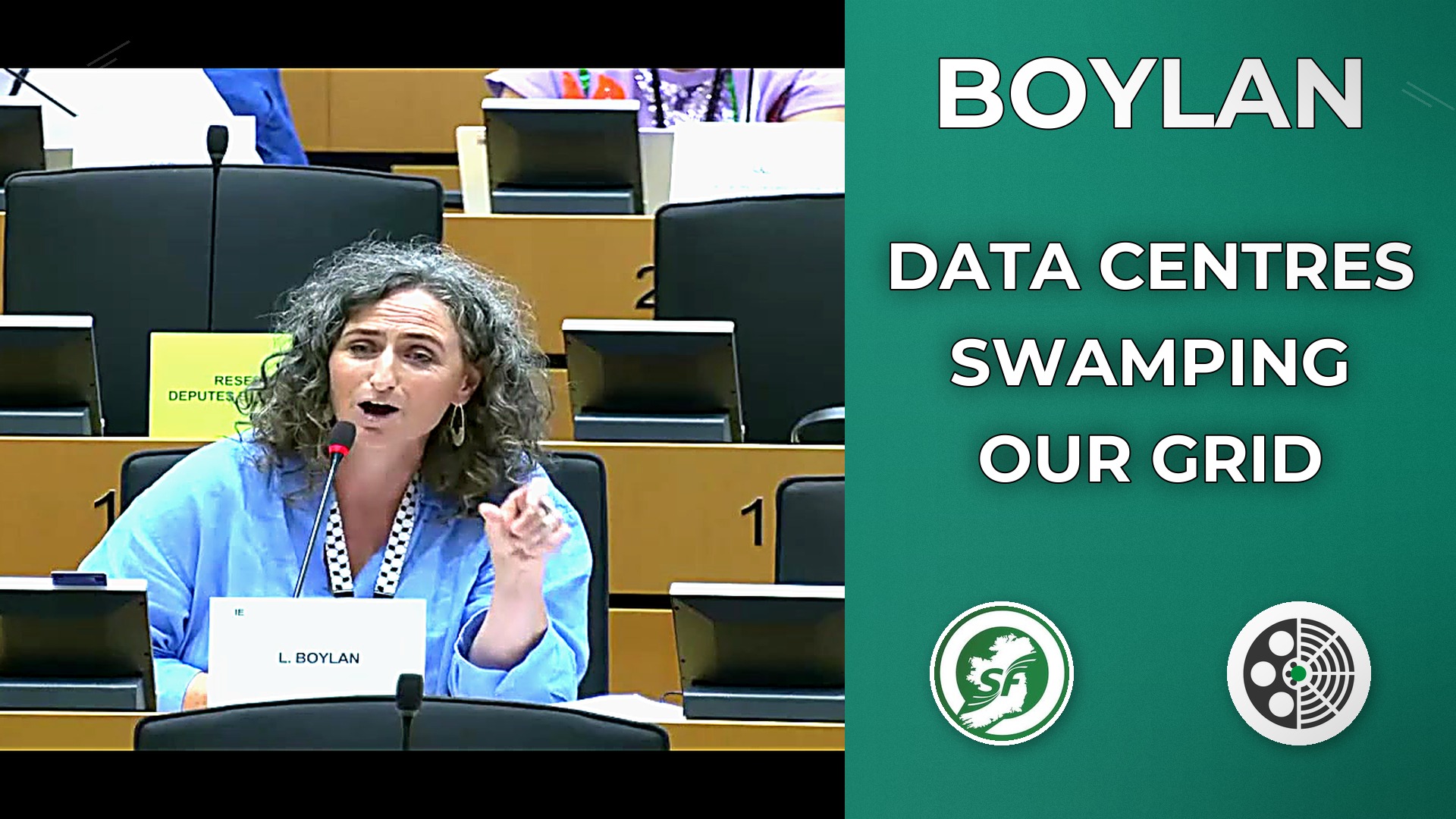
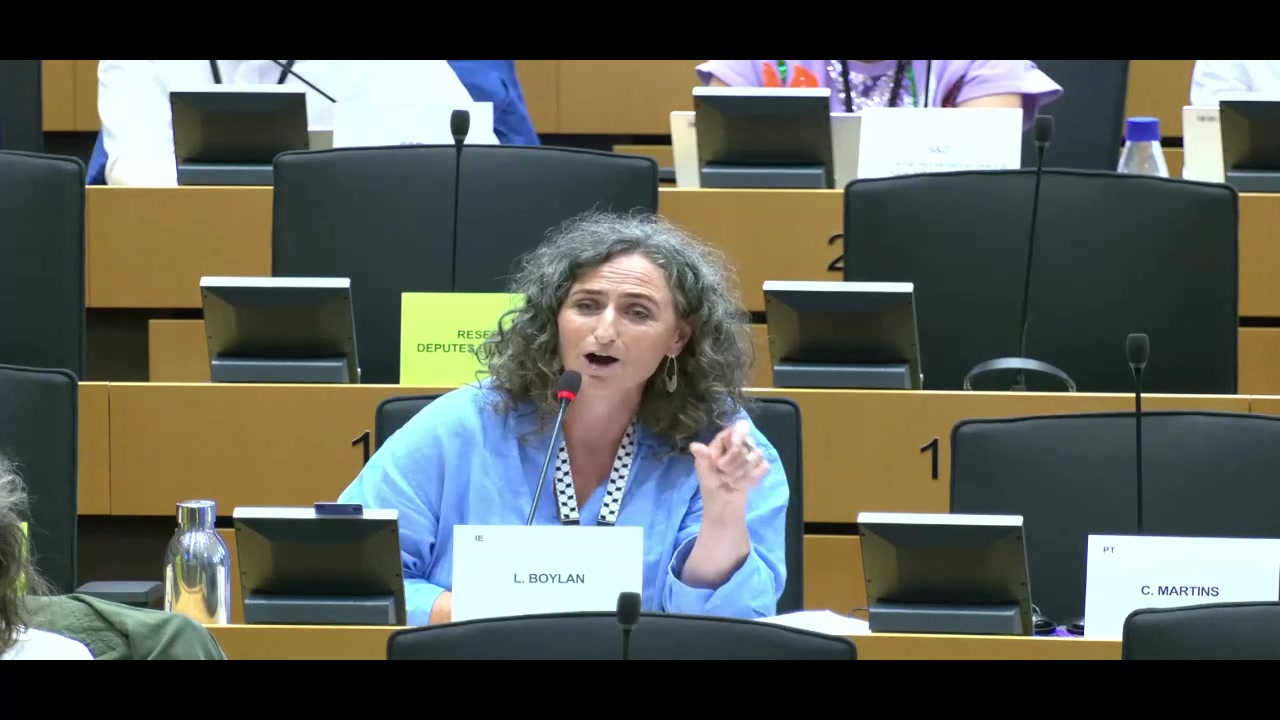
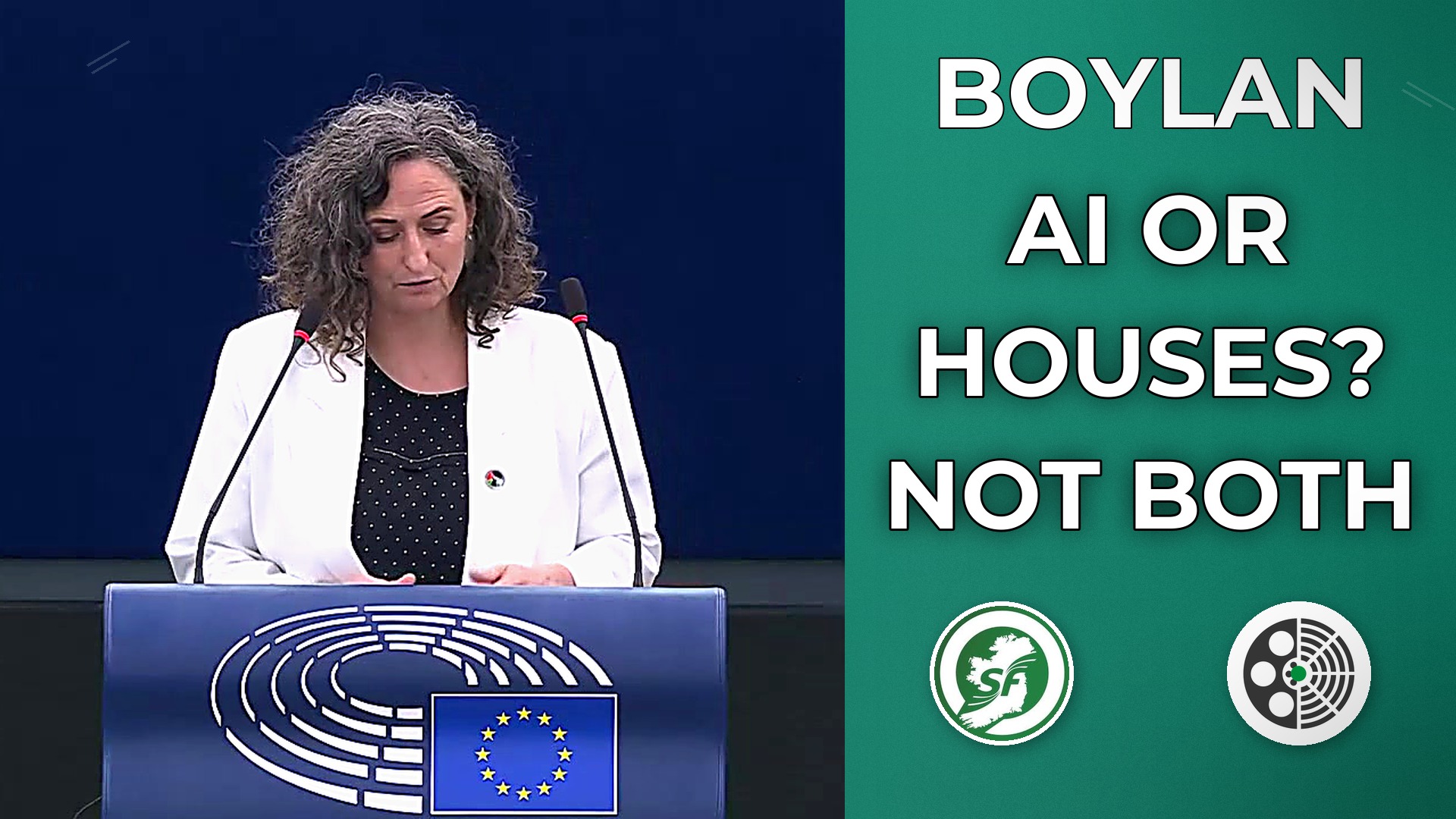
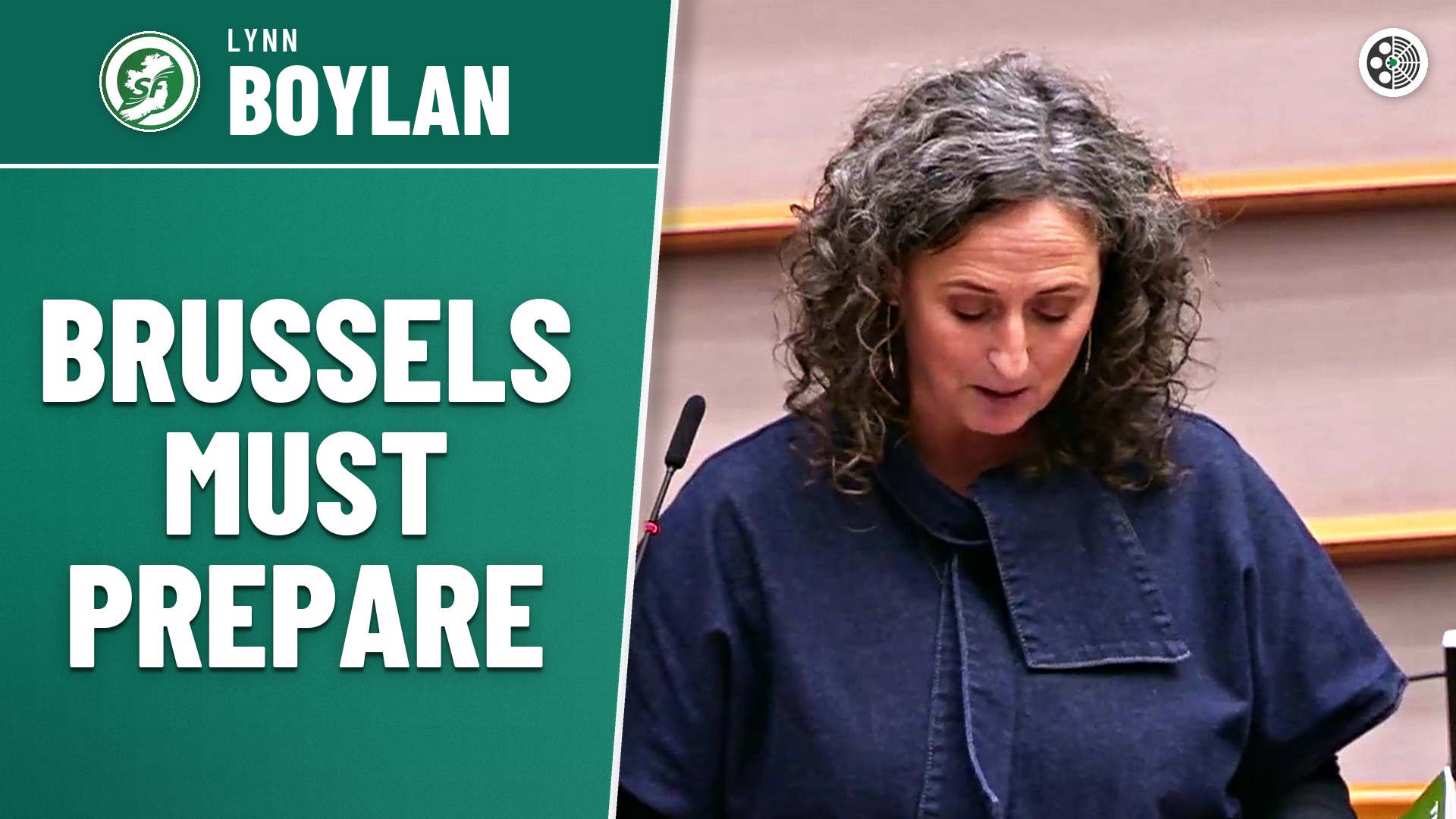
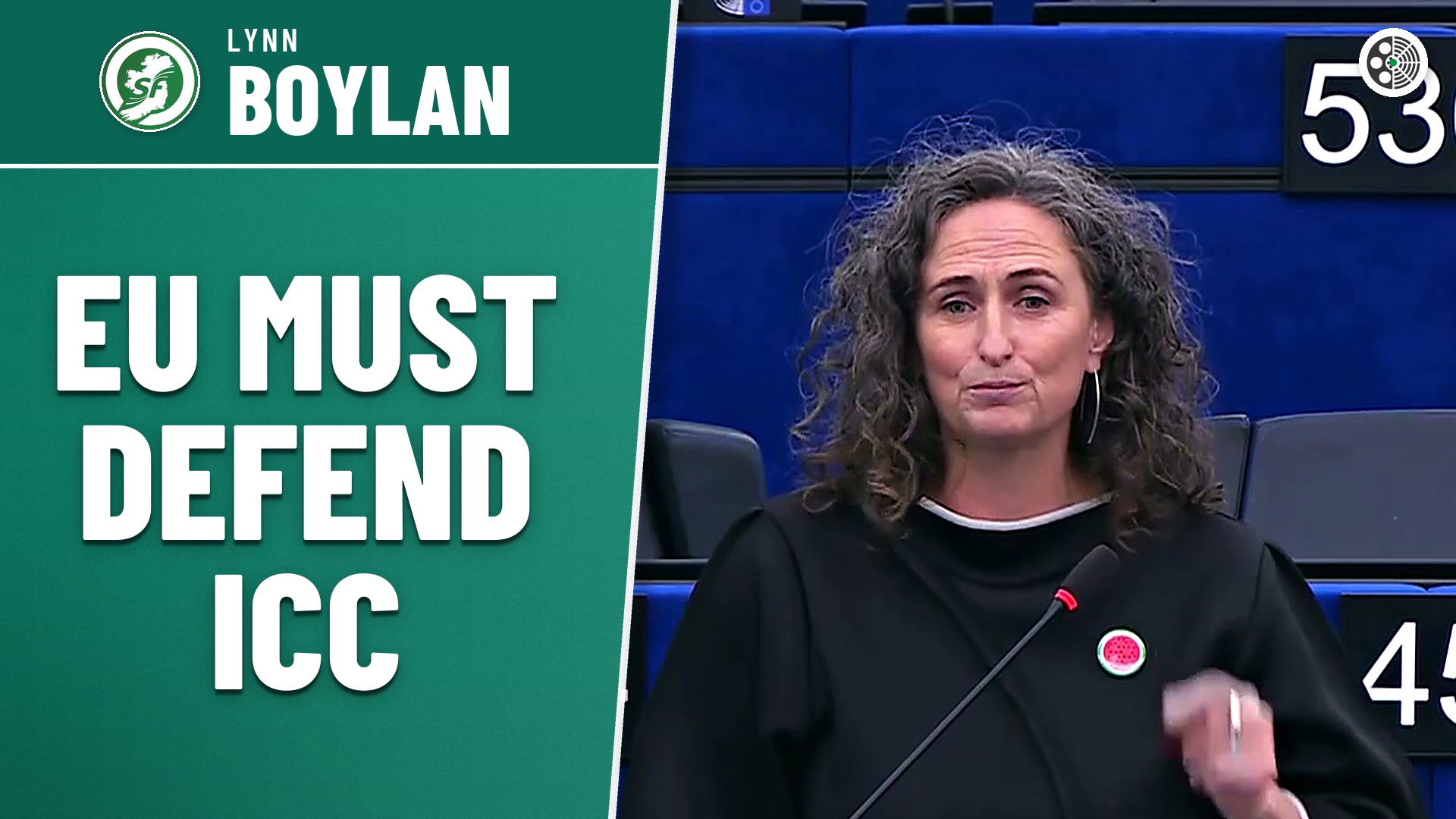
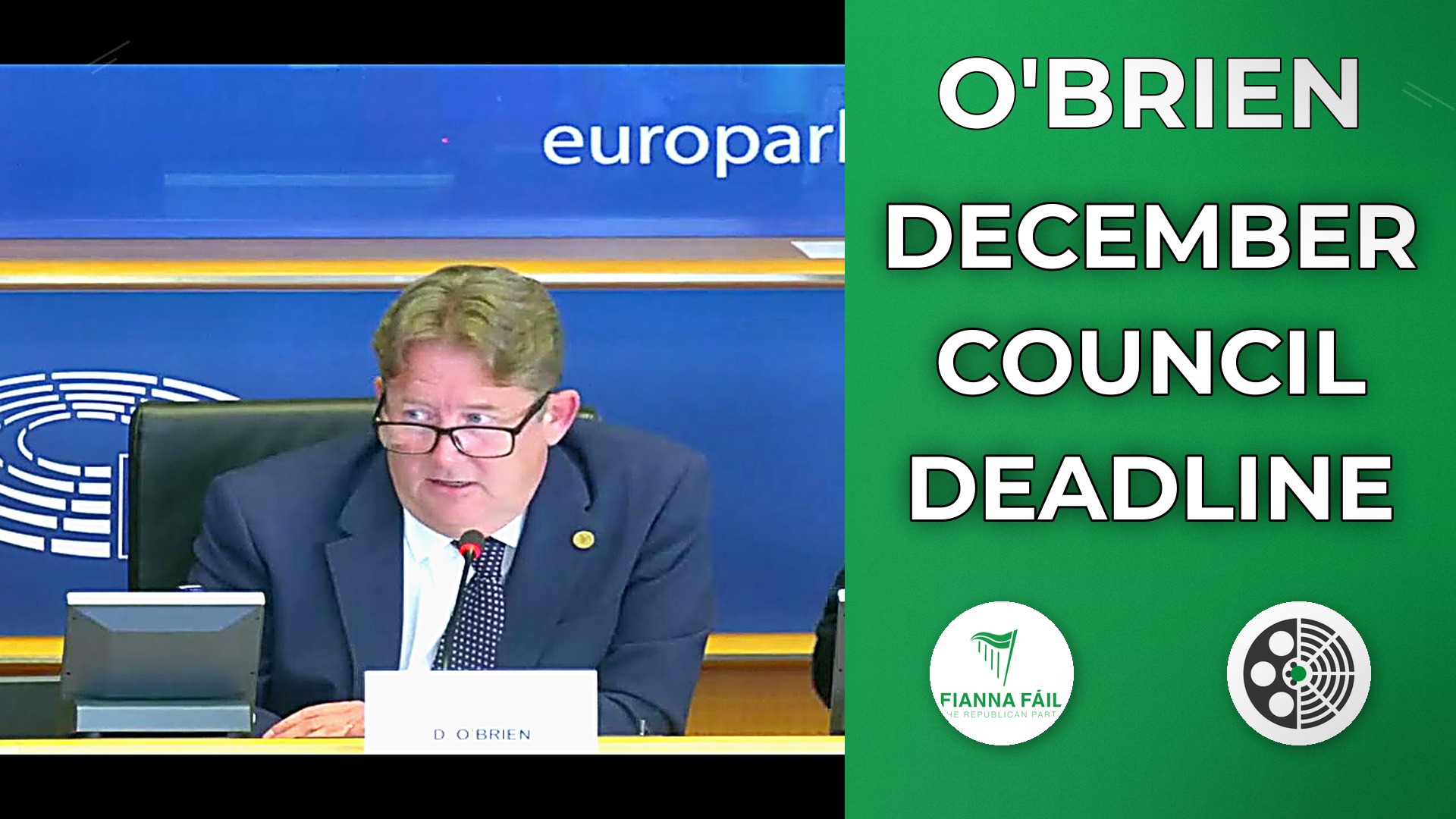
Lynn Boylan questions the Minister over Ireland's data centre policy, focusing on energy and water use, rising electricity costs for households, and the country's credibility in EU regulation. She confronts the government on grid pressure, removed criticisms from an official report, and the wider implications for climate targets.
Energy and water concerns
Lynn Boylan highlights evidence that data centres already consume a disproportionate share of Ireland's electricity and will rise further by 2030. She warns that increasing demand is also driving fossil gas use and undermining progress toward Ireland's climate targets, citing research and grid operator warnings.
Impact on households and housing
Boylan points to the knock-on effects for ordinary families and small businesses: higher electricity costs, expensive grid upgrades, and the risk that housing connections are being deprioritised because the grid is being "swamped" by data centres. She frames this as a social as well as environmental problem for Ireland.
Transparency and policy
The speaker criticises the way a government report removed researchers' criticisms of data centre policy and questions whether Ireland can act as an honest broker in EU discussions. She also challenges the Commission's approach to transparency on energy and water usage and the influence of big tech lobbying.
EU context and consequences
Boylan frames the issue within the Irish presidency and wider international scrutiny, including references to UN commentary. She presses the Minister to explain how Ireland will protect climate commitments and household energy affordability while negotiating EU regulation on AI and data centres.
We publish thousands of recordings to make Irish politics transparent and resistant to manipulation. Spotted an error? Report it — together we are building a reliable archive of Irish politics.
Thank you and you're very welcome Minister and I think the Irish presidency is coming at a very unique time because as you can see from other colleagues that across the EU, Britain and America, the public are waking up to the big problem of data centres and AI and particularly around their energy and water usage but also how they are pushing up the cost of electricity for those struggling households and small businesses through expensive grid infrastructure but also through the increasing fossil gas demand and Ireland of course is uniquely familiar with this problem because as my colleague has said, data centres are already using over 22% of all of Ireland's electricity, a complete outlier within the EU but they will also hit 30% by 2030 and Hannah Daly, the academic from the University College of Cork has shown that every single new wind farm that has come onto the grid in Ireland has been taken up by the electricity demand of data centres while Ireland continues to fail to meet its climate targets. Our grid is also being used up by data centres, to use the words of the grid operators, it's been swamped by data centres and putting at risk the connection of housing during a housing crisis in Ireland, something you yourself Minister wrote to the grid operators with your concern about housing in North County Dublin. So we also know that the Irish government published a report on data centres but removed all of the researchers' criticism of Ireland's data centre policy and the UN, as others have said, has also referenced that Ireland's experience should be a cautionary tale. So this was the question for you today Minister is how can Ireland be seen as an honest broker when it comes to regulating data centres? We've already seen that the Commission certainly is not an honest broker, they're accepting the lobbyists' language when it comes to transparency on energy and water usage. So how can we trust that the Irish government won't be influenced by the large tech industry that we have in Ireland about our economic exposure to that tech industry and how can we trust that you will guide these discussions in the interests of our climate targets but particularly around households on the cost of electricity and how to bring down our demand on fossil fuel gas which data centres continue to push up.
Thank you for downloading 🙏
If you publish this material on social media, we would be very grateful if you tagged VideoParliament. It helps us reach more people and keep building a transparent archive of Irish politics.